Clearing out boxes of old books and reports recently, I was struck by how many ICT4D (Information and Communication Technologies for Development) initiatives there have been over the last 20 years, many of which have simply repeated the mistakes of their predecessors. Most have failed to make real and significant improvements in the lives of the world’s poorest and most marginalised people. Quick looks at Weigel and Waldburger’s (2004) seminal book, and the ICT4 all Exhibition catalogue for the 2005 WSIS Summit in Tunis, remind us that most of the problems we are addressing in 2021 are broadly similar to those that were being addressed 20 years ago: how to enable the most marginalised to benefit from digital tech; moving from rhetoric to action; how to deliver effective partnerships; the importance of local languages; financing challenges; or how to ensure access…
An invitation to give a lecture at the Aga Khan University in Pakistan as part of a Master’s course on Learning and Teaching with Technology later this week provided me with the opportunity to reflect at some length on this thorny issue, and to come up with some suggestions as to why we continue to reinvent the wheel, and what we need to change if we really want to work with the poorest and most marginalised in delivering effective ICT4D initiatives that will help to empower them.
It also reminded me that even when I first started teaching in universities in the mid-1970s I used multimedia technologies such as slides (diapositives), aerial photos, film clips, overhead transparencies – as well as books. There is very little fundamentally new in the use of ICTs in education; it’s just the detail of the tech that has changed. As long ago as the early 1990s I thus enjoyed delivering lectures to students across London through the University Live-Net TV network, and in the middle of that decade enjoyed participated in the work of the Computers in Teaching Initiative in the UK. Hopefully we had learnt by then many of the challenges and success factors that previous colleagues involved in delivering education at a distance had shared with us.
Why are we failing so badly to learn the lessons of the past?
Reflecting on this simple question, I came up with six main suggestions as to why valuable lessons from previous ICT initiatives, especially in the education sector, do not seem to have been sufficiently learnt:
Lack of background research
Increased emphasis on innovation
The problem with “self”
Short-termism
Commercialisation and marketisation of education
Insufficient intergenerational dialogue
I am sure there are many more, and I look forward to exploring these ideas further with interested colleagues. Each needs to be fleshed out in much more detail, but the following brief notes cover some of the aspects that may be of particular importance.
Lack of background research
The Google (or DuckDuckGo) first page syndrome
only following up links on the first page (or two)
only reading the most recently published material
Too many people failing to explore and learn from what has been done before
Too much of a hurry?
Believing only the latest is best?
Nothing old is worthwhile?
A strong sense of self-belief, and that there is no need to read (see further below)
Past research and practice are inaccessible or unavailable
but this isn’t really true – many of us have written at length about our previous experiences
Overcoming failure often seen as being essential for subsequent success
But surely it’s best not to make the well known mistakes that others have made before?
So why is innovation (scientific and business) usually seen as being such a good thing?
Many governments (and donors) are increasingly focusing on funding innovation to drive economic growth – should they use taxpayers’ money to fund failure?
Might it not be wiser for donors and governments to spread what we know works, say for 60% of the population, to everyone?
Reducing inequalities rather than maximising growth
The problem with “self”
Self(ish) individualism
The need to be first
Overconfidence in own excellence
Having great qualifications so must know the truth
But perhaps the qualifications are not so great after all!
Unwilling to be self-critical
Brought up within the power and culture of non-self-critical scientism
A self-congratulatory culture (illustrated by awards processes)
Competitive rather than communal culture
Enjoys making mistakes in the belief that they will learn
Very expensive for others, especially in the international development context
Short-termism
Short-term job delivery and then move on
It’s always good to be seen to be bringing in new ideas
You don’t have to pick up the bits because you’ve left by then
The world of 140 characters
Project cycles often very short
It’s important to show success even when you’ve done nothing
Those who shout loudest tend to get heard
Even when there is little substance behind the claims
Short term is much easier than doing something long term
Perhaps “Agile” also has something to do with this?
The commercialisation and marketisation of education
EdTech is about the technology not the education
Everything is about expanding the market
Sales driven, with short term targets
Pitching to donors
A different skill set to delivery
Donors have large budgets and also have to show quick gains
Unrealistic target setting
Pilots where it is easiest
Instead they should be done where it is most difficult
We are measuring different success factors
Connecting a million children
But are they the most marginalised, and do they learn anything?
Insufficient intergenerational dialogue
“Youth have all the answers”
Older people have wrecked the world and so should now listen to young people who have all the good ideas
Much political posturing
The old have no idea how to use digital tech
Really?
Little priority given to mentoring
Especially 360o
Even fewer initiatives specifically designed to be inter-generational
Youth political institutions often replicate existing flawed global institutions
Especially within the UN system
Moving beyond a sketch
I have frequently been frustrated when I hear exciting new ideas being advocated about ways through which the latest generation of technologies (be it AI, AR, blockchain, or the Metaverse) can transform global education for the better. More often than not, the technology is the easy bit. It’s everything else that’s difficult. As a contribution at least to what governments need to get right, we collectively crafted a report on Education for the most marginalised post-COVID-19: Guidance for governmetns on the use of digital technologies in education (freely available under a CC BY licence at https://ict4d.org.uk/technology-and-education-post-covid-19, and https://edtechhub.org/education-for-the-most-marginalised-post-covid-19) which I hope goes some way to sharing global good practices at least in this area. Perhaps we should do similar reports for the private sector and for civil society, although those in these sectors could still learn much from our report for governments.
The above six sets of suggestions are just a beginning, but I wanted to share them here to provoke discussion. Everyone will have their own list of suggestions. What’s missing from the above? I’d be interested to hear from anyone who might like to explore this theme further! I need to learn more! At the very least, I hope that future colleagues will address these suggestions head on and thereby no longer repeat the same mistakes that so many of us have made in the past.
View of the Eiger, Mönch and Jungfrau from small tarn above Grosse Scheidegg
It was a privilege to have been invited to contribute to the panel on Digital for Life? at the Club of Rome’s annual conference today along with luminaries such as Carlos Álvarez Pereira, Ndidi Nnoli-Edozien, Anders Wijkman, Charly Kleissner, Mariana Bozesan and Bolaji Akinboro. I fear, though, that my perspective was a little different from that of many of the panelists who were from a business, financial and entrepreneurial background. It was also challenging to convey the nuances of what I had intended to say in my opening 4 minutes!
So, for anyone who might be interested, I’m posting my speaking notes here. At least, this is more or less what I had intended to say!
Digital for Life?
I think of two things when presented with this question:
First, that many of those developing digital technologies and indeed in the biotech sector more widely are working hard to extend human life through digital tech. The work of Calico (subsidiary of Alphabet, Google’s parent company) and Elon Musk’s creation of Neuralink are just two examples (claiming that “that people would need to become cyborgs to be relevant in an artificial intelligence age. He said that a “merger of biological intelligence and machine intelligence” would be necessary to ensure we stay economically valuable”, Guardian, 2017). More widely, the increasing blending of human and digital makes me think that within a relatively short period of time, perhaps already, it will not be possible for “pure humans” to survive, in a world increasingly dominated by cyborgs. For many this does not matter; for others (including me) it does. We need to think such thoughts so that we can debate them openly, thereby enabling people to reach wise judgements as to the kinds of future “we” wish to create. This in turn of course depends on who “we” are, and here I would err on the side of relativism and diversity. I find one single universal “we” frightening; just as I do the idea of universal individual human rights, without the balancing necessary responsibilities to ensure that diverse individuals can live side-by-side (see Unwin, 2014).
The second idea I would like to share is that digital technologies are becoming increasingly harmful to life (of all kinds) on planet earth. We need to understand the negatives of technology on nature/earth/the physical environment, as well as the positive potential of its use. This is obviously important in the context of the upcoming COP26 jamboree. Although much effort has been expended on trying to show how digital tech is squeeky-green-clean and can contribute much to a reduction in CO2 and thus “save the planet from climate change”, the truth is much dirtier. Increasing research shows just how anti-sustainable many digital techs are: fast fashion business models (smart-phone life/owned span around a couple of years); companies preventing right to repair; environmentally harmful mining of rare-earth minerals; bitcoin using more energy than Argentina or the Netherlands; satellite pollution of outer space (akin to the way we used to treat the oceans); digital tech creating twice as much carbon emissions as the airline industry; and energy demand spiralling upwards as 5G, AI, smart cities and a world of sensors come to dominate our lives. The Digital-Environment System Coalition (DESC) that I founded earlier this year, and to which anyone is most welcome to join, is committed to rethinking the relationships between digital tech and the life of nature, focusing on both the benefits and the harms that it can be used to create.
Page one of the participants
We had a fascinating, albeit attenuated, discussion and I look forward to continuing the exploration. I have much to learn from what others think and say. These are critically important issues if we wish to leave a better world to the next generation, and not have it transformed irrevocably by the scientism of those creating ever more enslaving and destructive digital technologies.
Back in the late-1980s Robert Potter and I edited a book called The Geography of Urban-Rutal Interactions in Developing Countries (Routledge, 1989; recently republished in the Routledge Library Editions: Urbanization) as a festschrift for our colleague Alan Mountjoy who had retired in 1985. My introductory conceptual chapter summarised various theories that had by then been developed to explain and help understand the ways through which people interacted between these very different kinds of places, the “rural” and the “urban”. It also proposed a framework for new thinking about these issues that focused on linkages (economic, social, political and ideological), flows (such as labour, money, telephone calls, authority and ideas) and interactions (involving things such as capital, families, allegiance and religious activities). The book was a product of its time, and much has changed over the last 35 years – although I am glad to see that I did indeed write about telephones, radios and televisions even back then.
Crossing northern France last weekend reminded me of those arguments, as I saw kilometre upon kilometre of wind turbines stretching across the vast expanses of the farmland of the pays champenois. Some people find these turbines inspiring and beautiful; I do not! However, no-one can deny that they have changed the landscape. What struck me most, though, was that this was yet another very visible, powerful and extensive form of exploition of “the rural” by “the urban”. Little of the energy produced by these turbines will be used in the rural areas where they are situated; their presence reflects the powerful urban demand for electricity, and the imposition of an essentially urban bourgeois ideology that wants to maintain its “culture” with little real regard for the rural environment. The rural is out of sight, out of mind; it is there to be exploited.
There have been numerous studies of the environmental impact of different kinds of energy, but many of these are based on traditional forms of analyses that tend to have an inbuilt prioritisation of the interests of those living in urban areas, and almost always ignore the environmental values of “indigenous peoples” and ethnic minorities. Moreover, insufficient work has yet been done on the environmental impact of the decommissioning of wind turbines, most of which have a lifespan of less than 25 years, and are currently disposed of in landfill sites. With rising demand for electricity, driven in large part by the expansion in the use of digital technologies (see the work of DESC), there will be a dramatic increase in the number of such windfarms, and thus yet further surplus extraction of “the rural” by the “urban”.
Further north in the Nord-Pas de Calais coal mining basin (since 2012 a UNESCO World Heritage Site) it is still possible to see many of the old spoil tips. As elsewhere in the world’s coalmining regions, there has been much landscape reconstruction. Some old tips have been flattened, others have been wooded, and at least one has been turned into a dry ski slope. However, I couldn’t help but think that the despoliation of the rural landscape (and indeed seascapes) by wind turbines in Europe is likely to be very much more extensive than that caused in the past by coal mining. How, though, do we judge and evaluate such thoughts? It is time for a very considerable rethink about the environmental impacts of all forms of energy, especially in the context of the rapid growth in digital technologies. After all, does not the term “Smart Cities” automatically imply that “villages must therefore be dumb”?
Side entrance to the UN in Geneva (slightly altered)
COVID-19 has accelerated the restructuring of the global world order that was already underway in the late 2010s.[i] If anyone remains in doubt about this, they might ponder the differences between the ways in which China and the USA were able to respond to the pandemic. They could also reflect on the map of China’s expanding economic reach recently published by the World Government Summit.[ii] This does not mean that one regime is “right” and the other “wrong”; what it does imply, though, is that this is the reality with which individuals and states need to come to grips.
This post explores the extent to which the UN remains fit for purpose, and whether it has the capacity to adjust appropriately to this evolving political economy in the 2020s. An earlier draft was shared with people whose views on these matters I respect, and it has been revised substantially in the light of their recommendations.[iii] A second post will follow focusing on suggestions for how to resolve the issues raised here.[iv]
Context
It is often said that if the UN didn’t exist, the world community would have to create such an organisation, but that it would be very different from the UN we have today.[v] Although established in the aftermath of the global 1939-45 war, with a commitment to maintain “international peace and security, developing friendly relations among nations and promoting social progress, better living standards and human rights”,[vi] today’s UN is largely a product of the neo-liberal,[vii] free-market political and economic establishment that has sought to impose its ideologies, will, and “best practices”[viii] on the world since the 1970s. Few would agree that the (hopefully) noble ambitions of the first 50[ix] countries to sign its Charter on 26 June 1945 have been achieved. There remains an absence of peace and security in many parts of the world, numerous nations are far from friendly with their neighbours, and global inequalities remain hugely divisive.
Despite the efforts of large numbers of very committed and able individuals working within UN agencies, it is time for a fundamental rethink of the structures, agendas, practices and rationale of the UN system.[x] This needs to go well beyond the limited United to Reform agenda launched by the present Secretary General in 2017.[xi] With nine years to go until the end of the UN’s Agenda 2030, now is the time to consider putting in place very substantial structural changes that can make the UN fit for purpose for the middle of the 21st century.
This reflection addresses seven of the most important interconnected challenges facing the UN. These vary in relevance across different UN agencies, but they are especially apparent in the context of the promotion of ICTs as a solution to the world’s “development” challenges.[xii] It is written very much from the perspective of a “critical friend”.[xiii] The comments that follow apply equally to the UN system and Secretariat as a whole, as well as to the practices of its specific specialised organisations, agencies and funds.
Seven Challenges
1. Diversity and power: who runs the UN?
The problem: the UN largely serves the neo-liberal political interests of the USA and its allies.
There has long been a commitment within the UN to appointing officials and staff at all levels from as diverse a range of countries and backgrounds as possible. Nevertheless, challenges remain in the range of countries from whom senior officials are engaged.[xiv] Those with senior roles in the UN do not satisfactorily represent the existing balance of national power or population size in different countries of the world; India and China are considerably under-represented.
It is difficult to gain overall figures for the nationalities of senior officials across the UN system, but data concerning the nationality of those whose duty station is New York starkly illustrates the scale of this problem.[xv] Not only is the UN Headquarters located in the USA (New York), but the number of US citizens employed in these roles vastly overwhelms those from other countries.[xvi] The US has 6.34 places per hundred million people, whereas India has 0.72 and China 0.28. To be sure, China now has four citizens as heads of specialised organisations and agencies (FAO, ICAO, ITU, and UNIDO) and one research and training institute (ITCILO) based outside New York, but the majority of agency heads and senior staff still represent the policies and practices of the neo-liberal free-market governments that have dominated their home countries over the last 50 years. Some UN agencies have also been criticised overtly for being essentially vehicles for the implementation of US policy. The President of the World Bank has thus traditionally always been a US citizen nominated by the US government, and UNICEF has also been subject to such criticisms, [xvii] despite the crucially important work that it does, and the strong commitment of many of its staff to improving the lives of the world’s children.[xviii]
In the face of such US dominance, China has been quietly working behind the scenes to increase its representation and influence within the UN, and its contribution to the overall budget had risen to 12% of the total in 2020.[xix] Feltman has thus suggested that this growing influence of China within the UN is inevitable, and that the US needs to compete actively if it wishes to retain its position as the UN’s most powerful member. [xx] Xi Jinping’s The Governance of China makes striking reference to China’s role as a “major country” and what it needs to do to ensure that it does indeed serve in this capacity globally.[xxi]
2. Leadership: quality and diversity
The problem: the UN does not appoint the most capable and appropriate people to senior leadership positions
There are very capable and well-intentioned people working within the UN system; many of these are committed to using its reach primarily to make the world a better place. However, as in any large organisation, this is by no means true of everyone, and both the processes through which people are elected or appointed into positions of leadership, and the calibre of many of them to provide the vision, energy and management required are often lacking.
Processes of election and appointment to high-level roles in the UN vary between agencies, but when elections are involved they are often hot-beds of political intrigue and reflect the complexities of block-voting and garnering international support for candidates. Whereas some states hold lavish events to support their candidates, others consider that such activities are inappropriate. I have often felt hugely sorry for very able candidates who have worked hard to try to get elected, but fail through no fault of their own – and often in large part through the failure of their own national governments sufficiently to promote them. The net result is that the most competent candidates are not always elected or appointed to the top positions in the UN.
A second challenge is that many candidates do not have the appropriate skills or experience for the roles to which they are appointed. Many are politicians or officials who have not reached the highest positions in their own countries, and yet are still eager to be selected for UN roles so as to find an alternative lucrative way of concluding their own careers. UN posts at most levels are very well-remunerated, and for those who want the opportunity to travel internationally and build high-level personal networks they are indeed an attractive proposition. Whilst the level of scandals of the past within the UN has diminished, as when the head of WIPO was forced to step down early in 2008,[xxii] the UN appointments process still does not always get it right. A classic recent case was the appointment of the first UN tech envoy at the start of 2021. Not only did he admit in one of his first tweets after he had been appointed that he was “a relative newcomer to the field”,[xxiii] but he was placed on leave almost immediately on appointment following complaints about his personal behaviour while previously serving as a UN Under Secretary-General and Special Advisor.[xxiv] Regardless of the rights or wrongs of this specific case, it is surprising that the UN could proceed with such an appointment when it was already known within the system that unresolved complaints had been made against him.
3. Scale and role: a big UN or a small UN?
The problem(s): what size should the UN be; should its agencies aspire to be implementers of development interventions themselves, or should they instead provide guidance and good practices for governments to implement?
The UN was not originally created to “rule the world” or to be a body that implemented “international development”. It was rather intended primarily to maintain peace and security and to enhance friendly relations between nations and their governments. Over time, it has become ever larger, accreting numerous additional activities to its portfolio, and particularly taking on a very wide range of “development” activities, intended to improve living standard and to promote human rights. As its catalogue of failures has increased, particularly with respect to peace and security,[xxv] it has sought to create for itself an even greater role in implementing “development” interventions (see section 4 on the SDGs below).
As the UN continues to grow at a time of increasing financial exigency, its core role must be re-examined and justified.[xxvi] A fundamental question is whether UN agencies should be trying to implement initiatives and projects themselves at scale (a “big UN”), or instead be giving guidance, advice and support to governments so that they can better craft initiatives in the interests of their own people (a “small UN”)? To put it very simply, does the share of the taxes paid by citizens across the world to their own governments and then given to the UN represent value for money, and is it used wisely in their overall interests.[xxvii] Are the transaction costs too high in supporting development interventions through the UN system? In democracies, people can elect new governments; but global citizens cannot elect new UN officials.
A challenge, though, with recommending that the UN should primarily seek to support governments in implementing their own initiatives, rather than UN agencies delivering such initiatives themselves, is that not all governments are trusted by their citizens.[xxviii] Here, I adopt Locke’s principle that people have both a right and a duty to overthrow governments that do not serve their interests. I see the UN’s role therefore as primarily being to help governments indeed improve the services that they offer their people, because neither the private sector nor civil society theoretically have the interests of all of the citizens as their responsibility. It has to be governments who above all have the responsiblilty for reducing inequalities in the countries that they govern.
The UN and its agencies are mandated to undertake activities recommended and agreed by the governments comprising their membership. In some instances there are clear needs for global agreements between multiple countries that will hopefully provide potential benefits for all, as with the international maritime regulations (IMO), the treatment of refugees (UNHCR), managing the world’s radio-frequency spectrum (ITU) or reducing changes to the environment resulting from human activities (UNEP). However, in many other contexts there is not a strong or clear-cut argument for global agreements, and it is not always easy to justify a role for the UN, especially in terms of the implementation of “development” agendas (see section 4 below). It is fundamentally important, for example, to consider whether UN agencies should themselves design, fund and implement programmes such as teaching girls to code across the world, or should they instead use their resources to help governments to design and implement relevant programmes in their own contexts? Should UN agencies run capacity development programmes to train any- and every-one in digital skills, or should they instead use their limited resources to train governments (both politicians and civil servants) to design and implement their own such national or regional programmes more effectively? Answers to these questions are in part dependent on ideological positions, but it would seem that UN-designed and implemented approaches tend to lead to (i) greater dependency of governments and thus peoples on the UN, (ii) less contextually relevant initiatives, and (iii) less value for money than were the UN to focus primarily on helping governments develop better programmes of their own.
4. The failed Sustainable Development Goals (SDGs) and Agenda 2030
The problem: the SDGs have already failed, but the UN persists in their propagation primarily in its own interests, so that UN agencies can claim they are doing something worthwhile.
I have written at length since 2015 about the reasons why the SDGs have already failed, especially in the context of digital technologies,[xxix] and many others are increasingly challenging their rationale and effectiveness. Three issues are particularly important for this critique of the UN system.
First, the SDGs largely serve the interests of those organisations that have designed and promoted them, rather than the voiceless poor and marginalised. In particular, they serve to enable as many UN agencies as possible to have a clear role in their implementation, either individually or collaboratively. Since 2015, most UN agencies have thus prioritised these agendas, and have sought very clearly in their rhetoric to show how they are delivering on specific goals and targets. This has meant that in some contexts attention has shifted away from very important areas that were considered in insufficient detail, or not at all, in the SDGs. The SDGs (and SDG17 in particular) have also become a rallying call through which the private sector can contribute to, and some would say subvert, the global development sector. Once again, the neo-liberal hegemony is serving its own interests in retaining power and influence.
Second, the SDGs focus primarily on increasing economic growth rather than reducing inequalities. They have therefore served the interests of private sector companies, especially large global corporations, more than they have most of the world’s poorest and most marginalised people and communities. The recent increased attention being paid to inequalities, especially during the COVID-19 pandemic is to be welcomed, but it is too little and has not led to a major realignment of the SDGs themselves. Moreover, at least half of the 10 SDG10 (inequality) targets have at best tenuous links with actually reducing inequalities.
Third, the SDGs have spawned yet another industry in terms of the data required to be able to tell whether they have succeeded or not.[xxx] The companies, organisations (including UN agencies) and individual consultants who have developed these tools, created the data, and written numerous reports thereon have certainly benefited from the SDGs. Whether the poor and marginalised in whose name this work is supposedly being done have benefited as much remains to be seen.
5. Duplication, overlap and reinventing the wheel
The problem: the UN system is beset by duplication of effort, overlap, and reinvention of the wheel between agencies, and even in larger agencies between the various silos within them.
Despite the opportunities provided by the SDGs for collaboration, all too often agencies compete with each other for “ownership” thereof, and the central UN Secretariat is also increasingly competing with the agencies mandated with specific responsibilities. In summary, the UN suffer from three man challenges around these issues: it is riven by competition and overlap of effort between agencies, in part driven by the personal agendas of their leaders; there is increasing competition in certain fields between the aspirations of the central UN Secretariat and the UN’s many separate agencies;[xxxi] and all too often these agencies themselves seek to take on activities that others outside the UN system are already doing, often actually much better than the UN could ever do in its present format.
A classic example of this was the work of the UN Chief Executives Board for Co-ordination (CEB) and the High Level Committee on Programmes in 2018 and 2019 to develop and reach agreement between agencies on system-wide strategies for the future of AI, the future of work, and the future of education. UNICEF and UNESCO brought together 21 UN agencies to develop a cogent approach to what the UN needed to do at a system-wide level to enhance the delivery of appropriate and relevant learning and education, and their report was welcomed by the CEB in May 2019.[xxxii] Very shortly thereafter, though, the relatively new DG of UNESCO launched a high-profile initiative on the Futures of Education: Learning to Become, with a “distinguished” Commission to consider inputs received from the various consultation processes.[xxxiii] This was a clear attempt to place the organisation once again very much at the centre of UN work in education, and made no mention of the recent UN system-wide efforts to co-ordinate efforts between agencies more closely. Most of the effort and good will generated in trying to reach a UN system wide approach to the future of learning was dissipated and lost. One cannot but ask “what was the point” of the HLCP and CEB’s work to this end?
Another classic case of duplication and re-inventing the wheel was the creation in 2018 by the UN Secretary General on the High-Level Panel of Digital Cooperation, co-chaired by Melinda Gates and Jack Ma, whose recommendations ultimately led to “his” Roadmap for Digital Cooperation.[xxxiv] The full stories of the machinations behind the creation of the panel and roadmap, as well as the subsequent bizarre appointment process of the Secretary General’s Digital Champion remain to be told (see also section 2 above). Despite the best efforts of the panel’s Secretariat, though, many of the consultations largely repeated discussions that had been held many times before by those involved and added little new to global understanding. Much of the report contains well-known platitudes, and although civil society was involved in the consultations upon which the recommendations were based, the dominant voices were largely those of governments, UN agencies and the private sector. Paradoxically, whilst its overt aim was to enhance digital co-operation, in practice it also served as a means through which different UN agencies could claim primacy in various areas of the digital agenda, not least as expressed through their roles as “Champions” in the Roundtable discussion (as with the ITU and UNICEF on global connectivity, UNICEF and UN Global Pulse on Digital Public Goods, UN Women on digital inclusion and data, or OHCHR on digital human rights). It remains to be seen whether the emerging architecture of this agenda will indeed enable greater co-operation or instead lead to greater division within the UN system on matters digital, but six months after the newly appointed technology envoy was put on administrative leave there remains little leadership and direction. Perhaps its main outcome will have been its efforts to revitalise the Internet Governance Forum (IGF) as something other than merely the talking shop that it was originally designed to be.
6. Scale and Finance
The problem: the UN’s ambitions go well beyond the budget available to fund them.
The increasing aspirations of UN agencies come at a time when budgets are tight and many donors are reluctant to increase funding because they believe that other organisations can deliver better results, especially with respect to development outcomes. The UK Multilateral Development (formerly Aid) Review thus warned in 2016 that funding for the FAO, IOM and UNESCO was at risk unless their performance improved, having already ceased core funding to UNIDO, ILO, UNISDR and UN Habitat as an outcome of its previous review in 2011.[xxxv]
Consequently, UN agencies have increasingly turned to other sources of funding, particularly from private sector companies and global corporations, but also in some instances from individual donations, as with UNICEF. Some of the implications of this are addressed in section 7 on partnerships, but it is important here to note that all too often staff in UN agencies see the private sector primarily as a source of funding the initiatives that the agency wants to implement, rather than truly benefitting from a company’s specific industrial or technological expertise, their business acumen, or their management strengths. This is particularly so in initiatives linked to digital technologies. If a company’s business model is not sustainable, then it will go bust; companies therefore have much to contribute to an understanding of sustainability within the context of the SDGs. The private sector of course has immense value in driving economic activity, and can contribute hugely to appropriate development interventions. It is just that its real strengths are rarely appreciated by most of those working in and for UN agencies.
The increasing need for funding to boost the aspirations of the leadership of UN agencies, linked in part to their own personal ambitions, but also the mandates that they negotiate with their member states, gives rise to potential conflicts of interest for the UN. Many governments also see the involvement of private sector companies in their own countries that have been developed through liaison with UN agencies as a way to deliver their own agendas, which are not always exclusively in the interests of their people, and especially the poorest and most marginalised. Governments also do not always fully appreciate or account for the financial risks in taking on large loans for “development” projects be they from China, the World Bank, or the USA.
It must therefore be asked whether the UN and its specialised agencies should actively be seeking to increase funding through sources other than national government regular member contributions, or whether they should cut their coats to suit their cloth? After all most UN agencies were never intended in origin to be implementers of development interventions. A strong argument can therefore be made that if UN agencies were indeed truly serving the needs of member states, then members should indeed fund them to deliver those needs.
7. Partnerships and the restructuring of global governance
The problem: the SDG agenda, the lack of UN funding, and the opportunistic behaviour of many global corporations mean that the private sector has been able to subvert the UN’s global governance structures in its own interest.
I have written much previously about the potential and challenges of partnerships with the private sector and civil society in international development,[xxxvi] and I remain committed to their positive potential. The reality, though, is all too often that they work primarily in the interests of private sector companies, despite their usual claims that they are intended to benefit the poor and marginalised.
In a comprehensive and hugely prescient 2007 review of the potential of partnerships in the context of the UN, Jens Martens highlighted seven governance concerns relating to its growing trend of partnerships with the private sector:[xxxvii]
These predictions have all come to pass to a greater or lesser extent, and what is of most concern is that few global leaders seem to consider any of them to be a real problem. The advocates of neo-liberalism and those promoting the ever-increasing role of the private sector in national and international governance, at the expense of states, seem to have achieved their objectives, subtly and surreptitiously behind the scenes. The rise to power of the private sector within the UN system over the last 20 years is quite remarkable, and this is especially so with respect to digital technologies and the pharmaceutical sectors.
The prominent emphasis on partnerships within the UN system has also had practical problems, notably the lack of transparent and effective partnership structures, and confusion over the concept of mutistakeholderism. On the first of these, it is remarkable how many, often widely-acclaimed “partnerships” or coalitions within the UN are based on at best flimsy partnerships structures. The UN Global Compact[xxxviii] can claim to provide a mechanism through which companies can support the UN, but it remains voluntary, and few individual agencies have their own internal structures and agreements about how they should engage systematically and rigorously with partners. It is well known, not least through some of the excellent work of the World Economic Forum,[xxxix] that a rigorous and comprehensive framework must be created early on for a partnership to have any chance of success. Sadly, failure to design such comprehensive frameworks beforehand means that all too often UN partnership do not achieve what they set out to do, and even sometimes what they claim to have done.
There are also fundamental problems with the notion of multistakeholderism,[xl] since different people and organisations define it in varying ways. While it is usually taken to mean partnerships that in some way involve governments, the private sector and civil society, the word itself only really means that many stakeholders are involved. Frequently, this is little more than subterfuge, moving away from the increasingly discredited notion of Public-Private Partnerships (PPPs), but still focusing mainly on the interactions between the private sector and governments, through co-opting favourable others (from civil society or academia)[xli] within them. Partnerships that combine civil society on equal terms with governments and companies, are much better termed “multi-sector” (reflecting the three sectors).[xlii]
In conclusion
Most people in the world have little if any understanding of what the UN is, have never heard of most of its agencies, and are completely unaffected by its actions.[xliii] The arguments for a small, efficient and highly focused UN system would seem to be powerful in the face of such criticisms.[xliv] The diversity of interests represented by national states and regional blocks requires a competent, and highly professional organisation for mediation and the sharing of good practices in the interests of global peace, harmony and well-being.
This reflection has highlighted seven of the most pressing and interconnected challenges affecting the ability of the UN system to function effectively, especially in serving the interests of the vast majority of the world’s people, and also particularly in the context of the use of digital technologies. In summary, these are:
The UN does not serve the interests of the majority of the world’s people, and needs to be restructured so that it does.
It has grown haphazardly and surreptitiously in its own interests so that it is now far too big and ambitious, but has neither the funding nor the capacity to deliver its agendas effectively.
The SDG project and Agenda 2030 largely serve the UN’s own interests, has already failed, and will achieve little in reducing the inequalities that are all too prevalent across the world.
There is an immense amount of waste within the UN system, with an excess of duplication, overlap and reinvention of the wheel; the world’s poor can ill-afford such excess.
A large UN is living beyond its means, and has thus increasingly had to turn to other sources, and especially the private sector, for funding.
The consequent loosely defined “partnerships” that have been constructed, subvert the UN’s governance structures and have increasingly led it to serve the interests of the rich and powerful against the poorest and most marginalised.
Finally, with some notable exceptions, the quality, experience, expertise and diversity of leadership within the UN system are not appropriate for the tasks that it has taken upon itself.
In essence, the neo-liberal hijacking of the UN system has made the UN part of the problem rather than part of the solution. It is time for change. Part Two suggests some of the radical changes that need to be made for the UN to become the sort of organisation that many of its employees hoped that it could be when they joined it, and that the 7.9 billion people of the world urgently need to avoid the many crises that continue to beset us all.
[iii] Among the many piece of helpful advice were suggestions: to shorten it; to tighten the argument around fewer key issues; to refer overtly to “corruption” (a word with which I have problems as discussed in this piece); to tone down some of the language, so that the audiences it is intended for may be more prepared to listen (my earlier suggestion that the UN was bloated did not go down too well; however, I had not even referred to the USA as being neo-imperial in the first draft); to clarify use of terms such as “neo-liberal”; and to justify the focus on governments, when many of these are seen to be problematic. I have tried to do all of these, and remain grateful for everyone’s comments.
[iv] Parts one and two will be available to download separately in.pdf format once completed.
[vii] By the term neo-liberalism, I refer to market-oriented reform intended to enhance free-market capitalism and the reduction of state influence in the economy and society. While this is a term that I deliberately continue to use to refer to changes that took place initially in the USA and Europe from the 1970s onwards, I recognise that it is less popular among many academics and politicians in the USA. I use the term explicitly to argue that neo-liberalism should be replaced by greater state control and regulation in the interests of the poorest and most marginalised, so that global inequalities fostered by neo-liberalism can be reduced.
[x] I have many hugely able and committed friends who work within the UN system, and have great admiration for the work that they do. This commentary should in no way be seen as a personal criticism of them, but is rather an account of the structural challenges that they face in trying to fulfil their aspirations of a better world.
[xii] My observations are all grounded in practice, and friends and colleagues will recognise the details of some of our shared experiences, although they are presented here in a generalised form so that specific institutions or individuals can usually not be identified. I hope that they are taken in the constructive sense in which they are intended. Where relevant, references to other works that have referred to the matters addressed are also included in footnotes.
[xiii] Although, as although as Chairholder of a UNESCO Chair some might say that I have indeed been within the system since 2007!
[xiv] While some recent progress has been made with respect to gender, the UN is also poor in terms of the inclusion of people with disabilities within its constituent bodies. It was thus a very real pleasure to meet some years ago with W Aubrey Watson, who was appointed in 2014 as Antigua and Barbuda’s Permanent Representative to the UN, the first ever person with a declared disability to hold such a role. See https://www.who.int/bulletin/volumes/94/2/16-030216/en/.
[xvi] The scale of this problem is reinforced when countries with smaller populations are also included, and it is salient to note that many European countries such as France, Germany, Italy and Norway each have four such officials, with Sweden having five and the UK seven; Canada has ten such officials.
[xxv] Some might seek to claim otherwise, but the continuation of widespread war and violence into the 21st century, from the Gulf Wars, to Afghanistan, Syria, North Africa, Yemen, Mozambique and Ethiopia suggests that whilst there have indeed been no major global wars to compare with the 1939-45 war, the UN has failed to bring peace and security to many millions of people.
[xxviii] I dislike using the word “corruption”, which commentators on an early draft suggested I should raise here. Often, the word “corruption” seems to be used to disparage others, when actually it refers merely to a different moral framework to that of the person using the word. Many bankers and government officials in north America and Europe are in this sense as corrupt as officials in other parts of the world who believe it is right to give their family members jobs once they are in positions of power. This probably reflects my antipathy towards universalism, and my celebration of diversity and relativism.
[xxxi] This is also a notable problem within the Commonwealth, where the Commonwealth Secretariat instead of collaborating constructively with the leading Commonwealth Associated Organisations, often seeks to compete with them, frequently reflecting the personal agendas of staff in the Secretariat.
[xxxvi] See,for example, Unwin, T. (2015) Multistakeholder partnerships, in: Mansell, R, and Ang, P.H. (eds) The International Encyclopedia of Digital Communication and Society, Chichester: John Wiley & Sons, and Unwin,T. (2017) Reclaiming Information and Communication Technologies for Development, Oxford: OUP.
[xxxix] Unwin, T. and Wong, A. (2012) Global Education Initiative: Retrospective on Partnerships for Education Development 2003-2011, Geneva: World Economic Forum
[xli] Given that most universities are now in effect businesses, I prefer to see them as falling within the private sector rather than as separate sector.
[xlii] Although within the UN system (such as UNESCO) the term sector is often used to describe the different parts of an agency and is thus deemed to be inappropriate to be used to refer to partnerships.
[xliii] With reference to the UN’s flagship SDGs for example, a 2020 survey by YouGov in the UK suggested that 56% of people in Britain were not at all aware of the targets, while 27% had heard of them but were unfamiliar with what they involve.
[xliv] The UN’s own survey in 2020 for UN75 (https://www.un.org/sites/un2.un.org/files/un75report_september_final_english.pdf) suggested that 60% of respondents believed the UN has made the world a better place, but more than half see is as remote from their lives. Although more than a million people across the world contributed, the survey design itself was problematic.
Several friends in recent weeks have contacted me about whether or not they should consider doing a PhD – and the first question I always ask is “why?”. How they answer that has a huge impact on how I answer their own question. However, it has made me realise that although I have written many bits and pieces about the changing character of a PhD, I have never pulled them all together into a single place. This reflection is therefore in part a summary of how I see PhDs as having changed since I completed all 642 pages of my own thesis in 1979 (having started in 1976). I hope that the insights I have gained in the 41 years since then may be of value not only to those considering doing a PhD, but also more widely to others engaged in the supervision and management of doctoral research in universities.
In summary, whilst there continue to be some brilliant students who complete outstanding theses within three years, the sad truth is that over the last 25 years the PhD has become significantly devalued and corrupted. It is time for fundamental change in PhD “production”.
I say this with enormous regret, since I see the PhD process as being of huge value and importance. It is, though, the only conclusion I can reach after having supervised 28 MPhil and PhD students since the mid-1980s (across different disciplines, and most as the only or first PhD supervisor), having examined PhDs in some 25 universities in 11 countries, having served for a decade on the Commonwealth Scholarship Commission (2004-14), and having also held various other roles relating to postgraduate research and training.
The following inter-related issues seem to be of most importance:
Not all PhDs are equal
There are huge differences in the requirements for and the quality of PhDs, not only between different countries, but also within countries, and even between departments in the same university. This is despite the use of external examiners who are meant to be arbiters of equivalence, and also despite the observation that most universities have fairly similar broad criteria for a PhD that focus on the advancement of knowledge through theoretical and empirical work. Imagine, for example, my shock when I was asked to agree to a PhD being awarded, thinking as I do that usually some 6 months of empirical field research is required for a good PhD in my field(s), only to be told that two weeks in the field was deemed to be sufficient by the university in question. The quality of expected intellectual curiosity, analytical acuity, conceptual ability, quantity of work, linguistic capability, and many other factors all vary hugely. The best PhDs remain outstanding pieces of research, but that cannot be said of all. Sadly, almost anyone with some ability can now be awarded a PhD at some university, even without resorting to some of the corrupt practices outlined further below.
Money talks and grade inflation
Grade inflation is well known at the undergraduate level (see for example Richmond, 2018; Lambert, 2019), but it has also happened at the Master’s level and even with PhDs. Unfortunately many (although again I stress not all) Master’s courses are poorly taught, and often seem to be mainly a means for universities to make as much money as possible from students willing to pay to differentiate themselves from their peers by having an additional Master’s qualification. This is a global phenomenon, but happens even in some UK universities that have a good reputation, which enables them to attract numerous higher fee-paying students from oversees. As undergraduate degrees become of lower value, it makes increasing sense for those students who can afford it to opt to get a step ahead by doing a Master’s degree – regardless of its quality. I have heard far too many stories of students paying to do a Master’s degree in a presitigious university, fully aware of the poor reputation of the teaching on the course, but still choosing to do so because of its perceived future benefit for their careers. Sadly there is a conspiracy of silence over this, because few students are willing to say publicly how poor the courses are, because that would immediately devalue them and thus their own status. Likewise no academic is likely to say that they teach a poor course, even if they rarely actually teach much of it themselves because they are too busy doing research and instead leave most of the teaching load to teaching assistants. The same is increasingly happening at the doctoral level. Universities are desperate for the much larger funds that PhD students bring – especially from overseas – and having accepted students they will do almost anything to ensure that they pass in one way or another. This can only lead to a lowering of quality.
The duration of a PhD
In the distant past, PhDs could unfortunately sometimes become a lifetime’s work, although they were never really intended to be this, and it has always been possible to complete an excellent PhD within three years. The expected duration of a PhD also varies somewhat between countries with different academic traditions. Nevertheless, from the 1980s onwards in the UK, Research Councils with their concerns to show value-for-money put increasing pressure on universities to limit the term of a PhD to a maximum of 4 years. Today, many universities insist that students must submit within four years, and failure to do so means that a degree is not awarded. In part this is driven by competition in league tables that include completion rates in their calculations, but it has also unfortunately often had the effect of reducing the quality of work submitted. In my experience, students who come from different academic traditions and more disadvantaged backgrounds often find it very difficult to adjust to starting a PhD in the UK, and I know that several of my own students in the past who completed very good PhDs would simply not have been able to do this within the 4-year limit now imposed. That would have been a shame, because they produced excellent PhDs and have gone on to do great things.
The pre-requisites for doing a PhD
It may seem strange for some to think that in the 1970s I went straight from doing an undergraduate degree to completing a PhD successfully. Now in the UK, most students must have at least one Master’s degree before starting, and even then they still have to do large amounts of postgraduate training especially in their first years of a PhD. In part this reflects the grade inflation that has so beset the sector over the last quarter of a century, with many people saying that Master’s degrees now are about the same standard that undergraduate degrees were from the “best” universities only a few years ago. However, it also reflects the increasing complexity of PhDs, and the requirement for postgraduates who wish to teach to gain relevant skills and training for their future academic career whilst doing their PhDs. Nevertheless, I still believe that a well-supervised, well-educated, outstanding undergraduate should be able to embark on a PhD without the necessity of spending time completing a Master’s qualification just for the sake of the certificate, especially when it is poorly taught and not necessarily of direct relevance to the topic of their proposed PhD.
Many other prospective students also seem to think that just because they have gained a Master’s degree somewhere (indeed anywhere in the world) that means they are undoubtedly capable of getting a PhD. This is very far from the truth. Only a few Master’s students in my experience have the inellectual curiosity and acuity successfully to complete a high quality PhD.
The challenges of part-time PhDs
I was recently asked if I thought that someone could successfully complete a PhD whilst also holding down a full-time job elsewhere. I responded quite simply “no”! It is extremely difficult if not impossible to do this and to submit a good thesis within a reasonable time period. Part-time degrees are meant to imply just that, namely that the student is also doing part-time paid work as well (not full-time), and if a full-time PhD is meant to be 3-4 years in length, then a part-time one, working >20 hours a week on it would require dedicated commitment for seven years which is a very tough order. I stand by this statement, and find it almost incredulous that some people can think of working 40-50 hours a week in paid employment and also do a PhD – especially when I feel that good PhD students should be committed to working at least 50 hours a week on their research for three entire years (with a few short holiday breaks). Yet many people still sadly do seem to think that they can complete a PhD with only a minimal amount of effort. This sadly just goes to show how the status of a PhD has fallen over the last half century!
There was definitely a time, though, in the mid-2000s when I very much championed the cause of part-time distance-based PhDs, and encouraged several people living in various parts of the world to join our ICT4D (Information and Communication Technology for Development) research community whilst working part-time in paid employment. This placed heavy burdens on them, and also on me as a supervisor, but it taught me a huge amount. None of them found it at all easy – and some found it very, very tough. However, they succeeded. Back in 2007 I therefore drafted a paper based on these experiences, although somehow never bothered to make the small number of revisions requested by a journal editor for it to be published. Having re-read it recently, I still think it has something of interest to say to those who are thinking of embarking on such a mode of PhD research and am now making it available here for anyone who might be interested – although it is undoubtedly somewhat dated.
Whose PhD actually is it?
I, perhaps too simplistically, still believe that in most cases a PhD should be the work of a single person, who actually does all, or certainly the vast majority, of it, from the research, fieldwork and analysis, to the writing up and presentation. To be sure things are sometimes more complex in laboratory sciences, or on expeditions when team work is essential, but even then the actual PhD should remain largely the work of one person – supported and guided by a supervisor (or a supervisory team) – and the precise amount contributed by others clearly stated. Not so long ago, supervisors worked carefully with their students, regularly going through manuscripts and helping them improve the quality of their academic writing. This is especially important when working with students from different cultures and academic traditions, and whose first language may not be the language in which the PhD has to be written. In the past, I often found myself spending a whole day going through a 10,000 word chapter for a student, and suggesting revisions to the text that could improve it. Increasingly, though, academics are discouraged from assisting students with developing these academic linguistic skills, because they don’t have the time to do it, because they are told that this is specialist work for support services to do, or because students who are accepted to do a PhD should already have these skills; sometimes students even object to supervisors commenting in detail about such things as sentence structure and written style, even though such comments are designed to help them develop these relevant skills!
A very specific, but increasingly common, issue arises when students send their draft work to an external “proof reader” before submitting it (there are many examples of companies offering this service, such as Scribendi, ProofReading, or Oxbridge Proofreading). It is relatively easy for a supervior to see when this happens, because there appears to be a dramatic, overnight, improvement in the quality of a student’s written work. It is, though, exceedingly difficult to know how much of a manuscrpt is actually written by the student, and how much by the “proof reader”. Given that having a PhD in a given language is meant to be indicative of the academic abilities of a person in that language, it seems to me that any substantial revision by someone other than a supervisor suggesting revisions to a draft is unacceptable.
At a further extreme, there are very clear examples of students getting a “friend” to do some of the work for them, such as doing the statistical calculations, drafting figures, preparing the templates, or even rewriting parts of it. If a thesis is meant to be a student’s own work, then these practices are likewise not acceptable. I remember drawing more than 50 figures with stencils and a Rotring pen for my own thesis, each of which took at least a day to complete – and that was without all of the computer generated graphs as well (which took some time to do back in the 1970s)!
Corruption within the system.
There are indeed many good supervisors, PhD students and management systems to support them across the world, but it also needs to be recognised that there are also many poor systems and outright corruption that must be rooted out, not least in my own country, the UK. Some dubious practices have already been suggested above, but these pale into significance when compared with the following examples.
Poor supervision and problematic examination boards
Sadly, there remain too many examples of poor doctoral supervision, although in my experience almost every academic I know well is hugely committed to this role, and sees it as a central and enjoyable part of their work. It is after all the main means through which new blood is brought into the system! Nevertheless, I am personally aware that the following practices still occur, and I am sure there are many others as well:
One of the main complaints is that some supervisors only rarely see their students. This has always been the case, but I know of cases where students have still had to complete their theses with only a handful of supervisory meetings over three years, and have been discouraged from making formal complaints about this because their supervisor is a “good academic researcher” and colleague in a department. Most students in such situations are also under severe pressure, not least because supervisors are often required as referees in their subsequent job applications, and in disciplines where supervisors are expected to be named authors on papers to make a complaint would severely handicap the submission of future publications from their theses.
Other supervisors have been known to use their students’ work primarily to build their own career and without giving them the credit for their original research [Partly for this reason, I have never asked to be an author on my students’ papers, and only ever write joint papers with them when I do a substantial amount of the actual research].
Some supervisors have tried to prevent their students from submitting their theses – occasionally right at the last minute – even when they themselves haven’t made the time to read and comment on final drafts. [It should always be up to the student to decide when a thesis is submitted].
Others are willing to take on large numbers of doctoral students for the prestige and income they generate, but know they don’t have time to supervise them all properly; the weakest often fail to swim and eventually drop out.
When it comes to the examination, it is sadly often the case that supervisors tend to try to find “softer” examiners for “weaker” candidates.
As an external examiner, I have also encountered very strong (and indeed quite upsetting) pressure from internal committees to change my mind; at least I won’t be asked to be an external again for such universities! [Increasingly, I have found myself warning universities that I will make judgements according to the standards that I consider appropriate, and when I suspect that a candidate may be weak I do not accept the invitation to be an external examiner. I have also been known to give my honest opinion of a piece of work, whilst adding the caveat that I don’t know the normal standard acceptable in an institution/country, and I would of course be willing to discuss the matter further].
I have recently been made aware of the term “Sexually Transmitted Degrees”, which is apparently quite common in certain parts of the world, particularly for undergraduates, but also occasionally for postgraduate degrees as well. I have to admit to being shocked that I hadn’t known of this term until the last few years – perhaps this shows just how naïve I am! It is, though, an issue that must be addressed – and the complexities involved mean that this is not necessarily always as easy as might at first sight be thought.
Fortunately, systems are being put in place by many universities to reduce such practices, but they do still exist, and tighter mechanisms need to be implemented to reduce poor supervisory and examination practices.
Student corruption
Much has been said and written before about problems with the supervisory process, but a few doctoral students are also themselves engaged in clearly corrupt practices. The extent of such corruption globally is unknown (although see Osipian, 2012; Denisova-Schmidt, 2018), but some inappropriate practices with which I am familiar include:
Paying someone to write part or all of a thesis. There is a fine line between this and the increasingly common use of “copy editors” noted above, but the widespread and sophisticated use by universities of plagiarism detecting software (such as Turnitin) has meant that those students who don’t have the time (or ability) to write their theses are now turning to professional dissertation and thesis writing services (see for example, Study Aid Essays, British Hub, UK Top Consultant, WritePaperForMe). One of these brazenly advertises its services as follows:
For 9 Years … has supported over 3,000 undergraduate, postgraduate & doctorate students with original custom essays, proposals, reports, literature reviews, full dissertations and statistical analysis in a wide range of subject areas
Arranging for a friend who will be supportive to serve as the external examiner. This should be precluded by the systems a university has in place for the appointment of examiners, but I even know of a case where it appears there was collusion between the student and the supervisor to ensure that a favourable friendly examiner was appointed.
Unfounded malicious accusations by students against their supervisors with the intent of ensuring that they are awarded their doctorates. Although these cases are rare, it is easy for a student to blame a supervisor for their own failings. Despite the apparent power relationships in favour of supervisors, some universities are so concerned about the “bad press” that can follow in such circumstances that they tend to find ways through which the student can succeed, even when the consequent standard is low.
The giving of lavish gifts by a student to their supervisor. This can be hugely complex, especially because gift giving has varying meanings and significance in different cultures. Nevertheless, it can be very problematic for a supervisor to accept expensive gifts from a postgraduate student before the award of the degree, even when there is no devious intent behind it [Gifts of appreciation after the award of a degree do, though, still seem appropriate should a student wish to give them].
I know several examples where doctoral students have not done the empirical field research themselves, but have instead paid for assistants to do it on their behalf, and do not acknowledge or admit such “help” in the text of a thesis. Given that I expect a thesis to be “all the student’s work” (see above), I cannot condone this practice, but I am aware that it seems to be acceptable by some universities in certain circumstances. Translation also represents a challenge, and I confess that in the past I have usually insisted that students learnt a language of the country in which they were doing their research.
I have not myself encountered cases where thesis data have been fraudulently “created”, but notorious examples exist, and the scale of this problem is undoubtedly greater than many people care to admit, not only in postgraduate research but also more widely in academia (see Hopf, Mehta and Matlin, 2019).
Many of these dimensions of corruption are extremely difficult to prove, but universities should recognise that they exist, and should do more to prevent them. In a nutshell, as less-able people seek to gain doctorates, the likelihood of fraud and corruption undoubtedly increases.
This is not only morally wrong, but it is also unfair on those many students who work extremely hard to achieve a PhD, it devalues the worth of PhDs in general, and it contributes yet further to a lowering of the overall quality of academic research.
A positive conclusion
Despite the above comments, I like to believe that most supervisors and doctoral students work collaboratively and well together, and that many truly original and excellent theses continue to be crafted across the world. Working with able postgraduates has certainly been one of the real joys of my academic career although there is no doubt that supervisory relationships are among the most fraught and challenging of any in academia. It is truly a blessing to see how the careers of most of those students who I have had the privilege to supervise have flourished and blossomed, and it is a joy to keep in touch with so many of them.
In the 2000s, recognising the need for me to give greater clarity about what was involved in doing a PhD in our ICT4D Collective, and to help students undertstand my own expectations of the superviosry process, I produced two documents. Having looked at them again, it is evident that they need some updating (they were last updated in 2007 and 2008), but I still stand by almost everything contained within them, and so am posting them here as a guide for potential students (and interested others) to what I try to practise as far as supervision is concerned:
The first of these emphasises that a good PhD should not be a life-work – that will come later! Instead, I have found that it is often easier to see a PhD primarily as something that provides evidence of the achievement of a key set of seven academic skills (slightly adapted below):
Being thoroughly conversant with the key intellectual debates in a particular subject area, and using this to provide a conceptual framework for the thesis
Being able to identify important novel issues from these that will form the focus of their research, and developing these into a clear aim
Being able to design a relevant methodology to undertake rigorous empirical work that will add to our collective knowledge in that research field
Then using this to undertake research and gain empirical evidence in a particular place or places
Analysing the results of that field research in the context of the theoretical or conceptual framework
Writing this up clearly and effectively in an interesting way
Drawing relevant conclusions that move knowledge forward, and (for the field of ICT4D) make new practical recommendations in the interests of the poorest and most marginalised.
Over the years, I have come to realise that students have varying strengths and weaknesses in achieving each of these. Many have difficulties in engaging theoretically and developing an approprioate conceptual framework, whilst the majority find the empirical field research most enjoyable. Nevertheless, a good prior degree should enable the first four of these elements to be done relatively easily. Unfortunately, some students can only get this far, and find it impossible satisfactorily to analyse the data, which results in an overly descriptive and thus problematic thesis.
I do hope that these reflections may be of help and interest to those embarking on a research degree – although I have very deliberately not answered the question that I posed at the beginning! That’s up to you, but I hope that what I have written will help you answer it!
Having recently written a post reflecting on aspects of power relationships and control through digital systems, I just thought that it might be helpful to share the list below of those digital systems and social media that I generally use so that others can know how to interact with me should they wish:
Digital environments that I use for public interaction
e-mails – multiple accounts, some integrated through Outlook/Office 365 (mainly formal work-related – contact via Royal Holloway, University of London) and others (mainly private) through Apple Mail. This remains my main mode of digital communication, largely because my e-mail account is one central place where people can send me material they want me to read!
WordPress (since 2008, although I began blogging earlier in 2007) – mainly for work-related issues, but also for personal views and opinions – for links to my various blogs see http://unwins.info. Interestingly, I am now blogging much less than I used to with views in recent years being half of the 30,349 I had in 2011.
Zoom – as have so many people during COVID-19, I have come to use Zoom quite extensively for large group meetings as well as personal ones, and it has largely replaced my former use of Skype. I particularly like its ease of use, and the way that it enables me to deliver live presentations through using its background feature.
Elgg (Open Source social networking software) – but sadly this is little used by others, and so I only tend to use it for small work-related groups (and in part as a replacement for Moodle).
Slack (sadly bought by Salesforce in December 2020) as a group communication platform – no longer sure how long I will continue to use it.
Moodle – the environment we’ve used for various courses at Royal Holloway, University of London and beyond; also where we used to make our ICT4D course materials freely available.
Twitter – joined in January 2009 – mainly for sharing information about our research and practice (several different accounts including @unescoict4d and @TEQtogether for research, and @timunwin for personal) – am using it much less than I used to, because the character limit tends to lead to short soundbites that oversimlify issues, and it has become a place dominated by “politically-correct” resonating rhetoric. Following Elon Musk’s acquisition of Twitter on 27 October 2022, I have almost completely stopped using Twitter for personal tweets, and have started using Mastodon (see below) instead.
Facebook – joined in November 2006 – mainly used to share things that interest me, but also use for work-related groups (such as the ICT4D Group created in April 2007 and now with around 5.5K members, and the TEQtogether Group) – I’m again using it much less than I used to, especially since the dreadful new desktop/laptop version was introduced.
Microsoft Teams and assorted other Microsoft apps such as Skype for Business and Yammer (social networking; bought by Microsoft in 2012) – the basic environment adopted by Royal Holloway, University of London some time ago (and so I really have to use it to communicate with colleagues there), but also widely used in other enterprises. I find it rather clunky, in much the same way that I also never liked Microsoft’s Sharepoint (launched back in 2001); I still try to use these as little as possible.
Mastodon – (@TimUnwin@techhub.social) – began using this in November 2022 – but too few friends are yet using it to make it a really viable alternative to Twitter (see above) for the moment.
I’m beginning to use Miro (an online whiteboard) for team work and collaboration.
Environments that I will not use if I can avoid them!
So, definitely don’t ask me to collaborate with you using the following:
Any Google environment (including Cloud, Drive, Chrome, Meet) – and especially if I have to sign in with a Google account (I refuse to have one). Exceptionally, I will occasionally use a Google environment providing I don’t have to sign in – but I would prefer to be sent documents in a way that is easier for me, such as by e-mail. That having been said, Google Maps is a phenomenal piece of software design, and I confess that I do use this.
WeChat – I may well have to use this one day to be able to communicate in China and with Chinese friends since it is becoming so ubiquitous and essential there, but for the moment I don’t want too many governments having easy access to too much information about me.
Sina Weibo – similar reservations to the above, but I am also getting too old to learn to microblog in Chinese.
Microsoft Teams – I find it clunky and not always intuitive, and so if at all possible I try to avoid it. It’s depressing that so many universities and organisations now have it as their default, and this causes me some problems when I prefer alternatives!
Environments that I use for private communication
The following are some of the environments that I use for private communication, and will not use for professional purposes (so please don’t ask me, for example, to join a work-related WhatsApp group):
WhatsApp – although I almost stopped using it when it was purchased by Facebook. I only use it with family and friends, and most definitely will not use it for public or professional groups (so there is no point in asking me to join a group).
Signal – I use this privately because of its security, usability, and open source build – and it’s also free.
Instagram – for posting images of things that interest me (I may well soon start to use it to share information about our research and practice, since Instagram is increasingly being used effectively by businesses for this). However, by late-2022 I have become quite disillusioned with it because so much of the content is now advertising, and too many reels last fot too long.
Skype – for personal video discussions – although I have used it much less since 2011 when it was purchased by Microsoft.
Since the beginning of 2022 I have also become increasingly disenchanted with social media, and am using it much less than I did in the past – in essence, because I now consider that its harms may well be outweighing its benefits. I am also encouraging others to reduce their use of all digital tech by promoting #1in7offline, in part for their own physical and mental well-being, but also to reduce the adverse environmental impact of digital tech. If you can’t take a whole day away from digital tech each week (let alone one week every seven weeks), then try at least one hour every seven offline!
(First written 29 December 2020; latest update 16 November 2022)
I have written many times before about the changing balances of power enforced by most digital technologies, but three recent incidents have focused my mind yet again on the shifting relationships of control brought about by the use of such technologies.
Tales from a worker…
I was invited to be a speaker at an online event using a particular technology with which I was not very familiar (Streamyard). I tried both of the browsers that I usually use (Firefox and Safari), and although the former enabled me to use some of Streamyard’s functionality, I could not do everything that I had wanted to use (and usually do) when giving an online presentation. Streamyard recommends Chrome, but I limit my use of Google products as much as possible, and refused to download it just so I could give one short presentation. I fear that the organisers did not appreciate my obduracy, and were surprised that I kept receiving error messages when trying to use some of Streamyard’s functionality.
I also belong to a civil society organisation that has recently gone over to using a particular app for managing the activities of volunteers. Previously, the administrator used to circulate details of rotas directly to the e-mail boxes of volunteers, letting us know when we were required and also providing reminders nearer the time. We have just received a message saying that the new automated system has been set up, and I have to check “my rotas” periodically to see what I am scheduled to do, and if necessary arrange swaps with others. Now, that obviously makes life easier for the administrator, but adds greatly to my time load because I have to log on to the system, negotiate its far from perfect functionality, see what I am down to do, and then note this in my diary. This is many more clicks than just opening an e-mail sent to me! The centre benefits; the volunteers have more work to do!
I was likewise doing some work for an organisation that uses Microsoft Teams, and when I requested a document, rather than it being sent to me I had to got into Teams, find where it was located (often in a crazily obscure sub-folder), download it onto my device (which often took some considerable time), and only then was I able to open the file and read it. If only someone could simply have sent it to me, or even just sent me an accurate link so I could open it online.
All of these examples illustrate ways through which digital technologies are being used to shift the balance of work away from administrators/managers at the “centre” and towards the employees/volunteers at the periphery, whilst concentrating the actual power ever more at the centre. My hunch is that the net wastage of time within such systems has gone up, that inefficiency has increased, and that the extraction of labour power from human employees has likewise increased. Digital technologies rather than improving the efficiency of systems, have become a means through which work/labour has not only increased but has also become very much more dehumanised and exploited by those at the “centre”.
Changing the balance of power
There are many ways through which such dehumanisation and exploitation take place, but the following are some of the most prevalent:
“Papers” for meetings: a historical legacy
I am old enough to remember the days when staff were sent papers (even in manilla envelopes) sufficiently far in advance before a meeting so as to be able to read and annotate them by hand. As an employee I received them, but it was the management/administration team who actually printed and distributed them. From the early- to mid-1990s, with the introduction of MIME, attachments became possible, and very swiftly, papers for meetings (and everything else as well) started to be sent by e-mail. In the early days, employees were often even required to print them off themselves and bring them to the physical meeting (a ridiculous multiplication of effort and expense). The balance of direction had shifted. No longer could the employee just open the package; now they had to save, open and print the files themselves – and that was in the days before you could bring your laptop to a meeting. Today, as digital systems have become ever more complicated and sophisticated, all the administrators have to do is upload documents once onto a centralised digital administration or management system, and then all relevant employees or users each have to log on, find the file, download it (be it on Basecamp, Trello, Asana, Teams, Slack, SAP, Google Drive, DropBox or wherever), and then read it. All of these stages take additional time for employees, and many are problematic and frustrating to use. While such systems clearly benefit the central generators of content, the total amount of time spent by all of the users who need to access it has increased.
Multiple overlapping systems: who decides which system to use?
For people only working in a single organisation and trained to use a single main digital system or environment, the time wasted in accessing digital content is bad enough. For those working across organisations, each with different systems, it becomes a whole lot worse. Not only are users encouraged to leave all of their systems on all the time so that they know what is happening or required immediately, but they are frequently also expected to reply instantaneously. This is neither possible nor sensible. Moreover, leaving your systems on means that others can see if you are there and contactable, which is not always helpful!
Extending the working day
This is perhaps the most obvious and yet insidious “benefit” of digital technologies. I’m old enough to remember the notion of a working day being “9 to 5” – although confess that I have always tended to spend longer “in the office” than that! However, even before COVID-19 helped to create a 24 hour working day, digital technologies have been used by employers dramatically to extend the working day, whilst at the same time claiming it is in the employees’ interests. This is particularly seen, for example, in the expectation by many managers that employees are contactable all hours of the day and night by e-mail, or even worse now through invasive social media messages. Long gone are the days when London commuters locked their safes, finished the day at 5 pm and got on over-crowded smoke-filled trains for the long commute to the suburbs. The commute has often now become the time to respond to digital messages, and once home people are then also frequently expected to do online training in the comfort of their homes. Travel to work, and the sanctuary of the home – all times previously free from employment-related labour – have now been incorporated into normal work expectations.
The all-seeing eye
More concerning than the extension of the working day, though, are the many ways through which employers now monitor every aspect of an employee’s work – reflecting both a collapse in trust, and an intent yet further to maximise extraction of the labour power of employees. This goes far beyond the use of digital fingerprints or retinal scans that check when an employee enters an employer’s premises, to the spatial monitoring of their personal digital devices and their every use of the employer’s digital management system; some are already microchipping their employees, in the name of making life easier for them (see for example, Metz, 2018; Schwartz, 2019).
Wasting time in digital meetings – just because we can meet, doesn’t mean we should waste so much time online in them!
Most face-to-face management meetings are a waste of time for the majority of people attending them. Invariably they are held for the sake of holding them, for the performance, and as a way of “management” controlloing “staff”. The proliferation of online meetings during COVID-19 has dramatically exacerbated this problem, and the difficulty of picking up the sensuous physical indicators between people has actually also often caused damaging misunderstandings that would have been less likely during a physical meeting. Just because it is possible for many people to participate in online meetings at all hours of the day and night does not actully mean that this is a valuable use of time. Participating in online meetings is rarely productive work!
Digitally enabled co-production of content is not always a good use of time
The potential for many people to work together in creating a single document can be greatly facilitated by the use of digital authoring tools. However, this crafting process can actually take much longer for people to interact with, and the net outcome is not necessarily any better than traditional editorial commentary systems. Working with different colleagues in various ways to craft texts through COVID-19 has been fascinating, and has reignited concerns I have previously had that most such usage of digital technologies actually increases the total time spent on “writing” without necessarily producing a better outcome. Furthermore, so called more “democratic” digital systems actually usually still contain subtle power structures. The first person to comment on a shared document, for example, exerts great influence on the remaining respondents. In contrast, where colleagues each respond to a central editor without seeing the comments of other team members, this “first respondent” bias is not present.
Why on earth would you want to attend a Zoom webinar where you aren’t even allowed to speak?
One of the greatest recent forms of control – and time-wasting – has been the proliferation of Zoom webinars, where an audience is invited to a view-only platform without being able to see each other or participate interactively beyond a limited chat facility. What a power relationship! Almost every company, international organisation (especially UN agencies) and civil society organisation I know has got on the bandwagon of inviting people to join Zoom webinars. If I were to accept all of the invitations I have received, my diary would be full mutliple times over every hour of the day and night! But most of these are dreadfully presented, and a complete waste of time, quite simply because it is much quicker to read something than it is to listen to someone talking to the background of a shared overcrowded and poorly designed slide deck! This is not to suggest that we should not try to use digital technologies to interact at a distance, but we should try to do so in as open and democratic way as possible (this is at least what we tried to do successfully with the ICT4D2020 Non-Conference, as well as with the launch of the Education for the Most Marginalised report #emmpostcovid19, or which more than 350 people were registered).
In conclusion
These are but a few of the countless ways through which digital technologies are being used to impose new systems of control, and to shift that balance of work and time away from the “centre” (or employer/manager) to the “periphery” (worker, employee, volunteer). In the academic part of my like, I encounter this increasing everyday exploitation in so many ways:
through the increased amount of time that online marking takes;
through the time-consuming online grant application forms that need to be completed,
in having to submit ghastly unintelligible spreadsheets online to report on grant expenditure;
through being required to use the frequently dreadful journal online processes when asked to review papers for them;
in being required to process and provide comments on job applications online;
in reviewing online fellowship and grant applications…
The list could go on, but my essential points are that many of us who experienced pre-online life find the new systems much more time consuming than they were previously, and most of them represent increasingly centralised control of professional working life. In the name of efficiency and democracy, many digital “solutions” actually create sytstems that are much less efficient and much more centralised and controlling than they were previously.
This is also a call for change; a call for the wise to say enough is enough. It is a call for those designing these systems to make them serve the interests of the workers rather than the masters, a call for the overthrow of the tyrannical powers of the digital barons, and a challenge to those who seek digitally to enslave the masses. We, the people, have the power in our hands to reject such control – all we need to do is to determine our own digital boundaries (for a summary of mine, read here), and make those who wish to control us instead to serve us through them. Above all, we need to reclaim our own physical and sensuous experience of reality, unmediated by the powers of digital control.
This has been a crazy week of over-dosing on Zoom for those attending the online IGF 2020 (made worse by too many slide-decks). How I wish I was physically back with real friends in real Poland, having real conversations and drinking real Polish beer and cherry vodka!
However, it was really great to participate in the GIZ-convened session WS #255 on Digital (in)accessability and universal design this morning (my time!). Huge thanks are due to Paul Horsters (from GIZ) who brought us all together, and to Edith Kimani (Deutsche Welle) who was an excellent moderator, as well as those providing sign language and captioning. It was also excellent to have such a diverse range of other speakers (none of whom used the dreaded slide-decks!): Bernd Schramm (GIZ), Irene Mbari-Kirika (inABLE), Bernard Chiira (Innovate Now), Claire Sibthorpe (GSMA) and Wairagala Wakabi (CIPESA).
As part of the workshop we wanted to produce an output that others could use in their own work, and so have crafted a mind-map in various formats that we hope will be of use to everyone committed to working with persons with disabilities to ensure universal digital inclusion. A WordArt summary of everything in the mind-maps is also shown below:
The mind map that includes summaries of all the individual presetnations as well as responses to the questions asked during the workshop is available below in various formats:
.rtf version of text contained in mind-map (black text on white background for those using text-to-speech software) is also available on request from the UNESCO Chair in ICT4D’s contacts page
The United Kingdom has among the worst COVID-19 infection and death rates in the world (see Financial Times, 28th May 2020). This is in part because of very serious errors of judgement made by the UK Government (see my list of questions to which they must answer, 27th April 2020), but it is also a result of the behaviour of substantial numbers of UK citizens during “lockdown” who, for whatever, chose not to self-isolate (including the Prime Minister’s Senior Advisor, Dominic Cummings). The UK government at the end of May also made another serious error of judgement, relaxing the restrictions, even for those who had previously been told to shield themselves, when daily numbers of new infections and deaths were very much higher than they were when other countries had begun to “open up” (BBC, 31st May 2020). This is despite the advice of many senior scientists who said that it was too early to relax the restrictions (BBC, 30th May 2020). Estimates by the Office for National Statistics (28th May 2020) suggested that there were then at least 8000 new cases a day in England, excluding those in care homes or hospitals. The daily average number of deaths from COVID-19 in the UK to the week ending 31st May was 242 (gov.uk, 31st May 2020).
Countries cannot stay locked down for ever, though, and it is essential for people to go back to work; indeed, it may well be that a vaccine or cure for COVID-19 will not be found in the short term, and societies may have to learn to live with this coronavirus for the foreseeable future. Difficult decisions will therefore need to be made about how to manage daily life and reduce the number of deaths caused by SARS-Cov-2. These decisions will need to vary depending on the specific contexts of each country, including its demographics (see my post of 7th May 2020) and environmental factors (see my post of 3rd May 2020). In the UK, the government has used fairly crude measures, trying to ensure that large numbers of people stayed at home (even though most of them would not be seriously ill if they caught COVID-19), rather than varying the strategy according to risk. Most actions and discussions have also adopted a human rights based approach to considering how decisions should be made (see for example Morley et al.’s paper on the ethics of tracing apps, or Lord Sumpton’s discussion of why lockdown is despotic). Instead, I suggest here that we need to adopt highly differentiated strategies, based on our responsibilities (or obligations, as Onora O’Neill suggests in her 2016 book Justice Across Boundaries).
Differentiated risks of COVID-19
There is increasingly sophisticated analysis in various parts of the world to suggest that different groups of people have substantially different risk factors. While anyone can die from COVID-19, the following generalisations about who is most likely to die seem to have widespread support:
Older people are more at risk of having serious complications or dying from COVID-19. Public Health England (PHE) in their early June 2020 report on disparities in the risk and outcomes of COVID-19, showed that “Among people with a positive test, when compared with those under 40, those who were 80 or older were seventy times more likely to die”. Dowd et al. (2020) likewise show that “Currently, COVID-19 mortality risk is highly concentrated at older ages, particularly those aged 80+”. Case Fatality Rates (CFRs) generally increase significantly with age, especially for those over 60; in Italy 96.9% of deaths by the end of March were for those over 60 (Istituto Superiore di Sanità, 2020). In South Africa 80% of the COVID-19 deaths reported by 2nd May were for people over 50, with a quarter of deaths being in the 60-69 age group. There is, though, still uncertainty as to whether there is something specific about age itself, or whether these figures are because older people are more likely to have other comorbidities. It is also interesting to note that the UK’s Office of National Statistics (ONS) Infection Survey pilot suggested that the highest percentage of those testing positive in the UK between 26th April and 24th May were in the 20-49 year age group.
Men are more vulnerable than women. This may well be because women have two X chromosomes (The Guardian, 7th June 2020), although there remains some dispute about the influence of gender on infection and mortality. The PHE report cited above shows that in England “Working age males diagnosed with COVID-19 were twice as likely to die as females”. Most surveys seem to suggest that men are more at risk than women, but the ONS survey of those testing positive interestingly indicated that “there is no evidence of differences in the proportions of men or women testing positive for COVID-19”.
People with comorbidities are much more likely to be seriously ill or die from COVID-19 than are those who are otherwise healthy. Data for March reported by the US CDC indicates that almost 90% of all patients hospitalised that month had one or more underlying conditions, with 49.7% having hypertension, 48.3% being obese, 34.6% having chronic lung disease, 28.3% having Type 2 diabetes, and 27.8% having cardiovascular disease. These five health problems are associated with higher death rates in most places where the data have been studied, although precise percentages vary quite considerably between populations (for a review of underlying metabolic health see Lancet, 2020; for a useful South African perspective, see Cullinan, 2020). The UK authorities have defined clinically vulnerable people as follows:
“aged 70 or older (regardless of medical conditions)
under 70 with an underlying health condition listed below (that is, anyone instructed to get a flu jab as an adult each year on medical grounds):
chronic (long-term) mild to moderate respiratory diseases, such asasthma,chronic obstructive pulmonary disease (COPD), emphysema orbronchitis○chronic heart disease, such asheart failure
chronic kidney disease
chronic liver disease, such ashepatitis○chronic neurological conditions, such asParkinson’s disease,motor neurone disease,multiple sclerosis (MS), or cerebral palsy
diabetes
a weakened immune system as the result of conditions such as HIV and AIDS, or medicines such as steroid tablets
being seriously overweight (a body mass index (BMI) of 40 or above)
pregnant women
As above, there is a further category of people with serious underlying health conditions who are clinically extremely vulnerable, meaning they are at very high risk of severe illness from coronavirus”
Ethnicity does appear to have an effect on the seriousness of health impacts of COVID-19, even taking other factors into consideration, but the precise reasons for this are not yet known. In the UK, more people from Black, Asian and Minority Ethnic (BAME) backgrounds have been seriously ill or died from COVID-19 than have people of white ethnicity, but this could be partly explained by deprivation, cultural factors (such as religious and family interactions), and comorbidities (such as obesity, hypertension and diabetes). England’s PHE report concludes that “An analysis of survival among confirmed COVID-19 cases and using more detailed ethnic groups, shows that after accounting for the effect of sex, age, deprivation and region, people of Bangladeshi ethnicity had around twice the risk of death than people of White British ethnicity. People of Chinese, Indian, Pakistani, Other Asian, Caribbean and Other Black ethnicity had between 10 and 50% higher risk of death when compared to White British”. More recently, the ISARIC CCP-UK study has shown convincingly that: (i) “Ethnic Minorities in hospital with COVID-19 were more likely to be admitted to critical care and receive IMV than Whites”, and (ii) “South Asians are at greater risk of dying, due at least in part to a higher prevalence of pre-existing diabetes” (see Harrison and Docherty, 17th June 2020). Insufficient detailed studies have yet been undertaken in other parts of the world, particularly in Africa and Asia, to see whether ethnicity is indeed also a risk factor there.
The risk of being infected is higher indoors than out of doors. This is mainly because there is generally more air movement to disperse SARS-Cov-2 outdoors (although air conditioning systems indoors do spread it in the direction blown by a fan), and people are usually in closer juxtaposition for longer indoors than outside. It is also easier to maintain sufficient distance between people outdoors than indoors (see inews, 11th May 2020). However, there is still some uncertainty about this. Thus, the UK ONS survey claimed in late May 2020 that “Individuals working outside the home show higher rates of positive tests than those who work from home”. This is, though, probably because those self-isolating and working at home simply don’t come into as much contact with potentially infectious people outside the home.
Much of the research on which these conclusions are drawn is based on early evidence from China, as well as more recent evidence from Europe and the USA where the infection and death rates have been so high. A particularly interesting issue is therefore whether these generalisations may also apply in other parts of the world, and especially in countries in Africa and South Asia which have yet to experience very serious rates of infection (see my previous post on On ageing populations, “development” and Covid-19). It may well be that their governments could learn from the mistakes made in the UK and the USA and develop a more nuanced approach as outlined below.
A differentiated risk- and responsibilities-based approach to managing COVID-19
This post makes two core suggestions: states need to adopt nuanced and differentiated responses to living with COVID-19 in the foreseeable future, and that human rights considerations should be balanced by a responsibilities agenda.
A differentiated risk-based approach to COVID-19
Most governments have adopted stringent lockdown policies in response to COVID-19 that have been applied to everyone, regardless of their health risks. This has caused considerable damage to their economies, as well as other serious health issues. Many deaths resulting from the existence of COVID-19 are thus not actually being caused by the SARS-COV-2 coronavirus. Numerous businesses are failing, and fit elderly people have complained vociferously about not being permitted to partake fully in “normal” society.
Now that more is known about the health risks of COVID-19, it makes considerable sense to develop context specific solutions that take into accont the risk factors noted above. Governments must first ensure that they have an adequate and robust health service capable of dealing with the number of people who are likely to get infected, but wasteful fiascos such as the construction of new Nightingale Hospitals in the UK that were never really needed, or the numerous projects across the world to create novel designs for new venitlators for which not enough nursing staff are available (and when many people on ventilators actually die), must not be repeated. The hospital services in some countries will come near to being overwhelmed (as in Italy), or may indeed collapse (see recent reports from Brazil, India and Pakistan which seem near this point). However, even where countries are unable to manage the health requirements of the majority of people affected, it is still vital that what services are available are used to treat those most in need and most likely to survive treatment. Is is also crucial that a responsibilities approach is inculcated and adopted at all scales from the state to the individual if the impact of the pandemic is to be mitigated.
It would thus seem wise to introduce comprehensive risk-based schemes through which everyone can evaluate their likelihood of being seriously ill from COVID-19 and their risk of infecting other vulnerable people, so that they can take appropriate actions to reduce such risk. At present, and as noted above, the key risk factors seem to be:
age,
gender,
comorbidities,
ethnicity, and
location
Put simply, and based largely on European and North American evidence, elderly men with comorbidities from BAME backgrounds spending all their time indoors would seem to be most at risk, and we should all do what we can to help protect them. Young, fit, active white women spending most of their time outdoors would seem to be least at risk.
This has implications for work, transport, and social life, and carefully nuanced schemes should be introduced to enable as many people as possible to live the lives that they wish to. For example, where resources are constrained, working-at-home policies could first be made available to the most at risk, encouraging those least at risk to stay at work, or indeed to return to work as previously. Tourism, travel and entertainment is much less risky for the fit and young, so they should be allowed to take those risks if they want to, while alternative arrangements are put in place for the most vunerably elderly Bangladeshi men (such as support for online tourism or special take-away meals for celebratory occasions).
Responsibilities- rather than rights-based approaches
For too long, rights-based approaches have dominated global and national policies, and insufficient attention has been paid to the responsibilities that are essential to ensure the extstence of well-functioning societies (see my Prolegomena on Human Rights and Responsibilities). All too often when a “right” is claimed, it is uncertain who has the “responsibility” to deliver it. Many, for example, have commented on the human rights aspects of COVID-19 (see Human Rights Watch, 19th March 2020; Bonavero Institute of Human Rights, 6th May 2020; The Guardian, 29th April 2020) , but rather fewer on the human responsibilities dimension.
This is particularly reflected in the tension between individual privacy rights and communal responsibilities in terms of the imposition and use of tracking apps to identify COVID-19 contacts (Human Rights Watch, 13th May 2020; Privacy International, no date; Morley et al., 2020). However, it also lies at the heart of discussions about wearing masks: all to often such usage is criticised for not really protecting the individual, which completely misses the point that their main use is to protect the community from infected individuals. People thus have a responsibility to wear masks so that if they are asymptomatic their chances of infecting many others are reduced (see my Face masks and Covid-19: communal not individual relevance).
Two main implications of a shift to a more responsibilities-based approach are important:
The first is that governments have a fundamental responsibility to care for their most vulnerable and at risk citizens. The shocking way in which the UK government placed its focus on “saving the NHS” above “saving vulnerable people” is an all-too-visible example of a failure to adhere to such a principle. It was a serious injustice for UK policy to have sent elderly people with COVID-19 back into care homes and the community from hospital, as a result of which many of them died, many others were infected, and many more certainly died sooner than they would otherwise have done. This principle, though, is also of crucial importance in countries where the health services have difficulty, or will have difficulties in the future, in coping with the COVID-19 crisis. It is absolutely the responsibility of governments to recognise that many low-risk people will survive COVID-19 with little or no lasting health implications, and that they should be allowed to continue if they wish to in the productive economy. However, at the same time, governments must put in measures whereby those at risk are protected, and given the wherewithall to sustain themselves.
The second, and closely related principle is that individuals also have fundamentally important responsibilities to others. Some positive evidence of communal responsibility and action has been visible in countries across the world during COVID-19, but support for at-risk people has been less than many had hoped for or expected. Moreover, there have also been substantial numbers of explicitly negative communal actions: digital-attacks on health care organisations have proliferated during the pandemic, and doctors and nurses have been victimised for spreading the coronavirus in countries as diverse as Mexico and Pakistan. Almost always, the emphasis has been on the rights of the individual (to enjoy the beach or to party) rather than on their responsibilites to others (to protect others from the actions of the self). Put simply, all of us have responsibilities to protect everyone else from being infected, and to enable as many people as possible to continue to live active and fulfilled lives.
Is it too much to hope for that one of the results of COVID-19 may be the creation of societies where we shift the focus more to our responsibilities towards others than attention on ourselves? In the short term, this would mean that we should all be:
Thinking that we could be asymptomatic carriers of COVID-19, and take actions to prevent us from infecting others;
Caring for and serving vulnerable neighbours who cannot benefit from the freedoms that we enjoy; and
Taking action to self-isolate and get tested immediately we think we might be infected with COVID-19.
Whilst this is written primarily from the perspective of someone living in a country that is now coming out of lockdown, these principles apply globally, and if adopted in countries that have not yet encountered serious outbreaks of COVID-19 might help them escape some of the more serious impacts of economic shutdown.
Now is the time to be thinking seriously about the kind of world that we wish to live in once Covid-19 has finished its rampage across Europe and North America.[i] Although its potential direct health impact in Africa and South Asia remains uncertain at the time of writing, countries within these continents have already seen dramatic disruption and much hardship as well as numerous deaths having been caused by the measures introduced by governments to restrict its spread. It is already clear that it is the poorest and most marginalised who suffer most, as witnessed, for example, by the impact of Modi’s lockdown in India on migrant workers.[ii]
This post highlights five likely global impacts that will be hastened by Covid-19, and argues that we need to use this disruption constructively to shape a better world in the future, rather than succumb to the potential and substantial damage that will be caused, especially to the lives of the world’s poorest and most marginalised. It may be that for many countries in the world, the impact of Covid-19 will be even more significant than was the impact of the 1939-45 war. Digital technologies are above all accelerators, and most of those leading the world’s major global corporations are already taking full advantage of Covid-19 to increase their reach and their profits.[iii]
The inexorable rise of China and the demise of the USA
Source: Hiram1555.com
I have written previously about the waxing of China and the waning of the USA; China is the global political-economic powerhouse of the present, not just of the future.[iv] One very significant impact of Covid-19 will be to increase the speed of this major shift in global power. Just as 1945 saw the beginning of the final end of the British Empire, so 2020 is likely to see the beginning of the end of the USA as the dominant global (imperial) power. Already, even in influential USAn publications, there is now much more frequent support for the view that the US is a failing state.[v] This transition is likely to be painful, and it will require world leaders of great wisdom to ensure that it is less violent than may well be the case.
The differences between the ways in which the USA and China have responded to Covid-19 have been marked, and have very significant implications for the political, social and economic futures of these states. Whilst little trust should be placed on the precise accuracy of reported Covid-19 mortality rate figures throughout the world, China has so far reported a loss of 3.2 people per million to the disease (as of 17 April, and thus including the 1290 uplift announced that day), whereas the USA has reported deaths of 8.38 per 100,000 (as of that date); moreover, China’s figures seem to have stabilised, whereas those for the USA continue to increase rapidly.[vi] These differences are not only very significant in human terms, but they also reflect a fundamental challenge in the relative significance of the individual and the community in US and Chinese society.
Few apart from hardline Republicans in the USA now doubt the failure of the Trump regime politically, socially, economically and culturally. This has been exacerbated by the US government’s failure to manage Covid-19 effectively (even worse than the UK government’s performance), and its insistent antagonism towards China through its deeply problematic trade-war[vii] even before the outbreak of the present coronavirus. Anti-Chinese rhetoric in the USA is but a symptom of the realisation of the country’s fundamental economic and policial weaknesses in the 21st century. President Trump’s persistent use of the term “Chinese virus” instead of Covid-19[viii] is also just a symptom of a far deeper malaise. Trump is sadly not the problem; the problem is the people and system that enabled him to come to power and in whose interests he is trying to serve (alongside his own). China seems likely to come out of the Covid-19 crisis much stronger than will the USA.[ix]
Whether people like it or not, and despite cries from the western bourgeoisie that it is unfair, and that the Chinese have lied about the extent of Covid-19 in their own country in its early stages, this is the reality. China is the dominant world power today, let alone tomorrow.
An ever more digital world
Source: Forbes.com
The digital technology sector is already the biggest winner from Covid-19. Everyone with access, knowledge and ability to pay for connectivity and digital devices has turned to digital technologies to continue with their work, maintain social contacts, and find entertainment during the lockdowns that have covered about one-third of the world’s population by mid-April.[x] Those who previously rarely used such technologies, have overnight been forced to use them for everything from buying food online, to maintaining contacts with relatives and friends.
There is little evidence that the tech sector was prepared for such a windfall in the latter part of 2019,[xi] but major corporations and start-ups alike have all sought to exploit its benefits as quickly as possible in the first few months of 2020, as testified by the plethora of announcements claiming how various technologies can win the fight against Covid-19.[xii]
One particularly problematic outcome has been the way in which digital tech champions and activists have all sought to develop new solutions to combat Covid-19. While sometimes this is indeed well intended, more often than not it is primarily so that they can benefit from funding that is made available for such activities by governments and donors, or primarily to raise the individual or corporate profile of those involved. For them, Covid-19 is a wonderful business opportunity. Sadly, many such initiatives will fail to deliver appropriate solutions, will be implemented after Covid-19 has dissipated, and on some occasions will even do more harm than good.[xiii]
There are many paradoxes and tensions in this dramatically increased role of digital technology after Covid-19. Two are of particular interest. First, many people who are self-isolating or social distancing are beginning to crave real, physical human contact, and are realising that communicating only over the Internet is insufficiently fulfilling. This might offer some hope for the future of those who still believe in the importance of non-digitally mediated human interaction, although I suspect that such concerns may only temporarily delay our demise into a world of cyborgs.[xiv] Second, despite the ultimate decline in the US economy and political power noted above, US corporations have been very well placed to benefit from the immediate impact of Covid-19, featuring in prominent initiatives such as UNESCO’s Global Education Coalition,[xv] or the coalition of pharmaceutical companies brought together by the Gates Foundation.[xvi]
Whatever the precise details, it is an absolute certainty that the dominance of digital technologies in everyone’s lives will increase very dramatically following Covid-19 and this will be exploited by those intent on reaping the profits from such expansion in their own interests.
Increasing acceptance of surveillance by states and companies: the end of privacy as we know it.
Source: Wired.com
A third, related, global impact of Covid-19 will be widely increased global acceptance of the roles of states and companies in digital surveillance. Already, before 2020, there was a growing, albeit insufficient, debate about the ethics of digital surveillance by states over issues such as crime and “terrorism”, and its implications for privacy.[xvii] However, some states, such as China, South Korea, Singapore and Israel, have already used digital technologies and big data analytics extensively and apparently successfully in monitoring and tracking the spread of Covid-19,[xviii] and other coalitions of states and the private sector are planning to encourage citizens to sign up to having fundamental aspects of what has previously been considered to be their private and personal health information made available to unknown others.[xix]
One problem with such technologies is that they require substantial numbers of people to sign up to and then use them. In more authoritarian states where governments can make such adherence obligatory by imposing severe penalties for failure to do so, they do indeed appear to be able to contribute to reduction in the spread of Covid-19 in the interests of the wider community. However, in more liberal democratic societies, which place the individual about the community in importance, it seems less likely that they will be acceptable.
Despite such concerns, the growing evidence promoted by the companies that are developing them that such digital technologies can indeed contribute to enhanced public health will serve as an important factor in breaking down public resistance to the use of surveillance technologies and big data analytics. Once again, this will ultimately serve the interest of those who already have greater political and economic power than it will the interests of the most marginalised.
Online shopping and the redesign of urban centres.
Source: Independent.co.uk
Self-isolation and social distancing have led to the dramatic emptying of towns and cities across the world. Businesses that have been unable to adapt to online trading have overnight been pushed into a critical survival situation, with governments in many of the richer countries of the world being “forced” to offer them financial bail-outs to help them weather the storm. Unfortunately, most of this money is going to be completely wasted and will merely create huge national debts for years into the future. People who rarely before used online shopping are now doing so because they believe that no other method of purchasing goods is truly safe.
The new reality will be that most people will have become so used to online shopping that they are unlikely to return in the future to traditional shopping outlets. Companies that have been unable to adjust to the new reality will fail. The character of our inner-city areas will change beyond recognition. This is a huge opportunity for the re-design of urban areas in creative, safe and innovative ways. Already, the environmental impact of a reduction in transport and pollution has been widely seen; wildlife is enjoying a bonanza; people are realising that their old working and socialising patterns may not have been as good as they once thought.[xx] Unfortunately, it is likely that this opportunity may not be fully grasped, and instead governments that lack leadership and vision will instead seek to prop up backward-looking institutions, companies and organisations, intent on preserving infrastructure and economic activities that are unfit for purpose in the post-pandemic world. Such a mentality will lead to urban decay and ghettoization, where people will fear to tread, and there is a real danger of a downward spiral of urban deprivation.
There are, though, many bright signs of innovation and creativity for those willing to do things differently. Shops and restaurants that have been able to find efficient trustworthy drivers are now offering new delivery services; students are able to draw on the plethora of online courses now available; new forms of communal activity are flourishing; and most companies are realising that they don’t actually need to spend money on huge office spaces, but can exploit their labour even more effectively by enabling them to work from home.
We must see the changes brought about by responses to Covid-19 as important opportunities to build for the future, and to create human-centred urban places that are also sensitive to the natural environments in which they are located.
Increasing global inequalities
Source: Gulfnews.com
The net outcome of the above four trends will lead inexorably to a fifth, and deeply concerning issue: the world will become an even more unequal place, where those who can adapt and survive will flourish, but where the most vulnerable and marginalised will become even more immiserated.
This is already all too visible. Migrant workers are being ostracised, and further marginalised.[xxi] In India, tens of thousands of labourers are reported to have left the cities, many of them walking home hundreds of kilometres to their villages.[xxii] In China, Africans are reported as being subjected to racist prejudice, being refused service in shops and evicted from their residences.[xxiii] In the UK, many food banks have had to close and it is reported that about 1.5. million people a day are going without food.[xxiv] The World Bank is reporting that an extra 40-50 million people across the world will be forced into poverty by Covid-19, especially in Africa.[xxv] People with disabilities have become even more forgotten and isolated.[xxvi] The list of immediate crises grows by the day.
More worrying still is that there is no certainty that these short-term impacts will immediately bounce-back once the pandemic has passed. It seems at least as likely that many of the changes will have become so entrenched that aspects of living under Covid-19 will become the new norm. Once again, those able to benefit from the changes will flourish, but the uneducated, those with disabilities, the ethnic minorities, people living in isolated areas, refugees, and women in patriarchal societies are all likely to find life much tougher in 2021 and 2022 even than they do at present. Much of this rising inequality is being caused, as noted above, by the increasing role that digital technologies are playing in people’s lives. Those who have access and can afford to use the Internet can use it for shopping, employment, entertainment, learning, and indeed most aspects of their lives. Yet only 59% of the world’s population are active Internet users.[xxvii]
Looking positively to the future.
People will respond in different ways to these likely trends over the next few years, but we will all need to learn to live together in a world where:
China is the global political economic power,
Our lives will become ever more rapidly experienced and mediated through digital technology,
Our traditional views of privacy are replaced by a world of surveillance,
Our towns and cities have completely different functions and designs, and
There is very much greater inequality in terms of opportunities and life experiences.
In dealing with these changes, it is essential to remain positive; to see Covid-19 as an opportunity to make the world a better place for everyone to live in, rather than just as a threat of further pain, misery and death, or an opportunity for a few to gain unexpected windfall opportunities to become even richer. Six elements would seem to be important in seeking to ensure that as many people as possible can indeed flourish once the immediate Covid-19 pandemic has dissipated:
First, these predictions should encourage all of us to prioritise more on enhancing the lives of the poorest and the most marginalised, than on ensuring economic growth that mainly benefits the rich and privileged. This applies at all scales, from designing national health and education services, to providing local, community level care provision.
This requires an increased focus on negotiating communal oriented initiatives and activities rather than letting the greed and selfishness of individualism continue to rule the roost.
Third, it is essential that we use this as an opportunity to regain our physical sentient humanity, and reject the aspirations of those who wish to create a world that is only experienced and mediated through digital technology. We need to regain our very real experiences of each other and the world in which we live through our tastes, smells, the sounds we hear, the touches we feel, and the sights we see.
Fourth, it seems incredibly important that we create a new global political order safely to manage a world in which China replaces the USA as the dominant global power. The emergence of new political counterbalances, at a regional level as with Europe, South Asia, Africa and Latin America seems to be a very important objective that remains to be realised. Small states that choose to remain isolated, however arrogant they are about the “Great”ness of their country, will become ever more vulnerable to the vagaries of economic, political and demographic crisis.
Fifth, we need to capitalise on the environmental impact of Covid-19 rapidly to shape a world of which we are but a part, and in which we care for and co-operate with the rich diversity of plant and animal life that enjoys the physical richness of our planet. This will require a comprehensive and rigorous evaluation of the harm caused to our world by the design and use of digital technologies.[xxviii]
Finally, we need to agree communally on the extent to which individual privacy matters, and whether we are happy to live in a world of omnipresent surveillance by companies (enabling them to reap huge profits from our selves as data) and governments (to maintain their positions of power, authority and dominance). This must not be imposed on us by powerful others. It is of paramount importance that there is widespread informed public and communal discussion about the future of surveillance in a post-Covid-19 era.
I trust that these comments will serve to provoke and challenge much accepted dogma and practice. Above all, let’s try to think of others more than we do ourselves, let’s promote the reduction of inequality over increases in economic growth, and let’s enjoy an integral, real and care-filled engagement with the non-human natural world.
[iv] See, for example, discussion in Unwin, T. (2017) Reclaiming ICT4D, Oxford: Oxford University Press. I appreciate that such arguments infuriate many people living in the USA,
[vi] Based on figures from https://coronavirus.thebaselab.com/ on 15th April 2020. For comparison, Spain had 39.74 reported deaths per 100,000, Italy 35.80, and the UK 18.96.
[ix] China’s massive long-term strategic investments across the world, not least through its 一带一路 (Belt and Road) initiative, have placed it in an extremely strong position to reap the benefits of its revitalised economy from 2021 onwards (for a good summary of this initiative written in January 2020 see https://www.cfr.org/backgrounder/chinas-massive-belt-and-road-initiative)

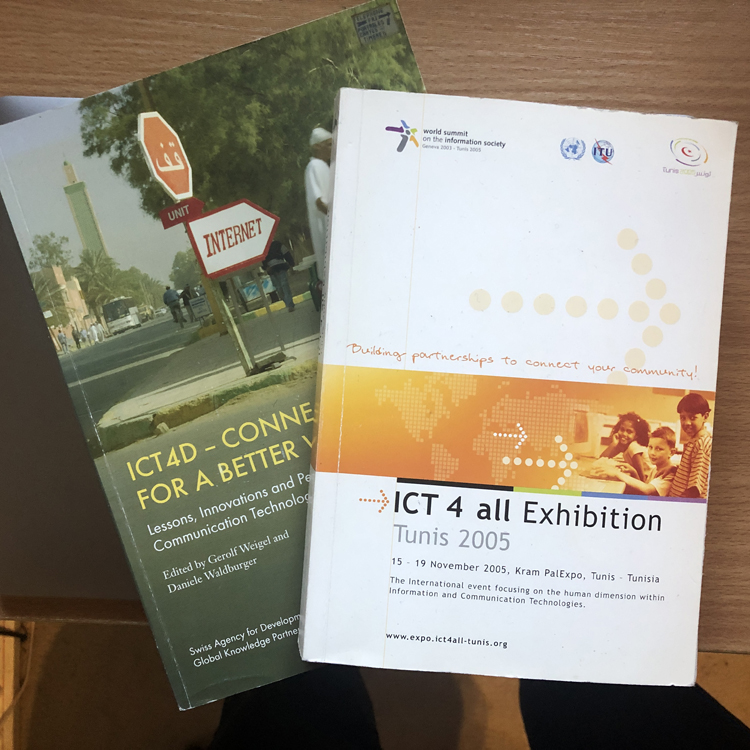

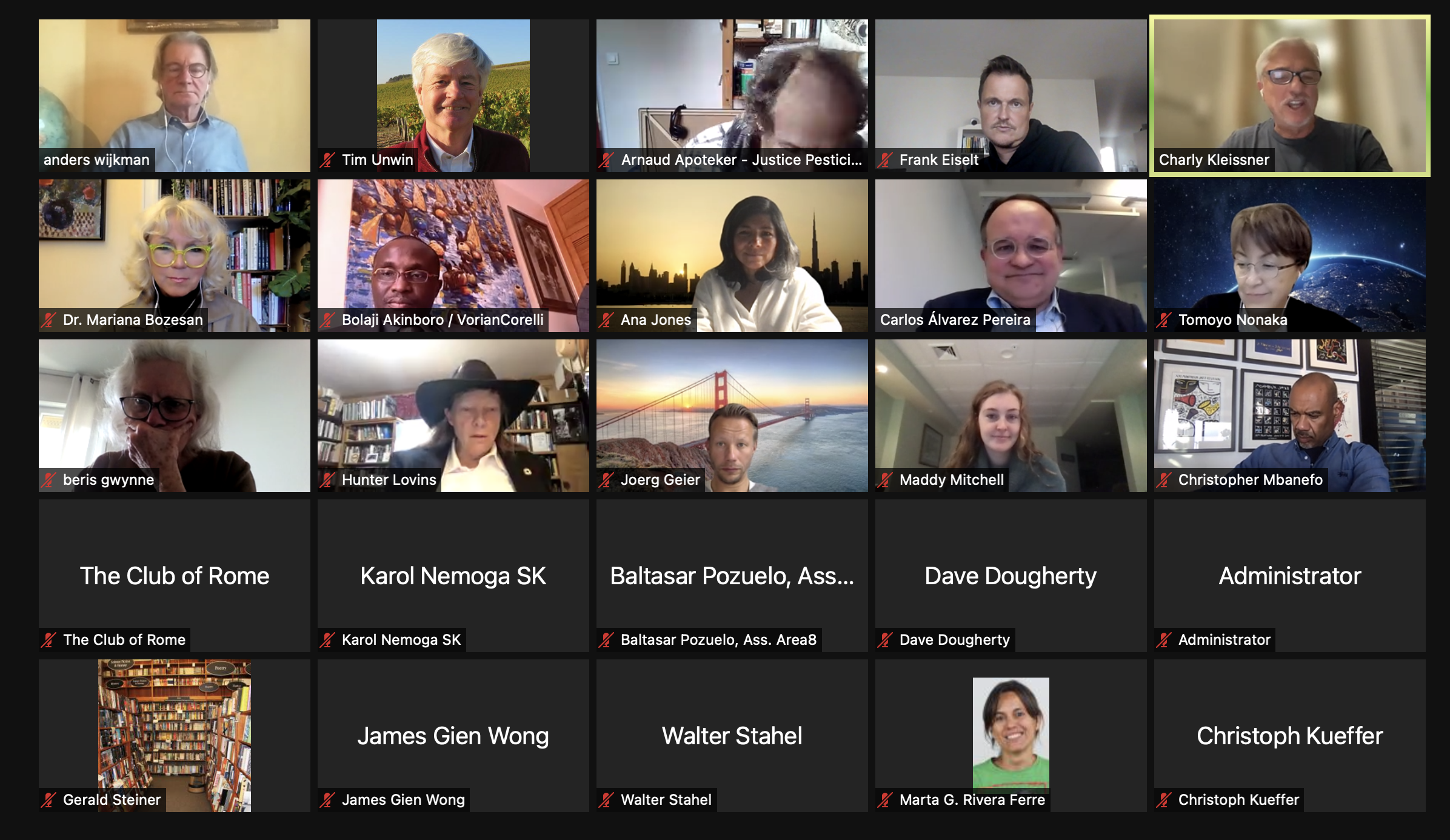

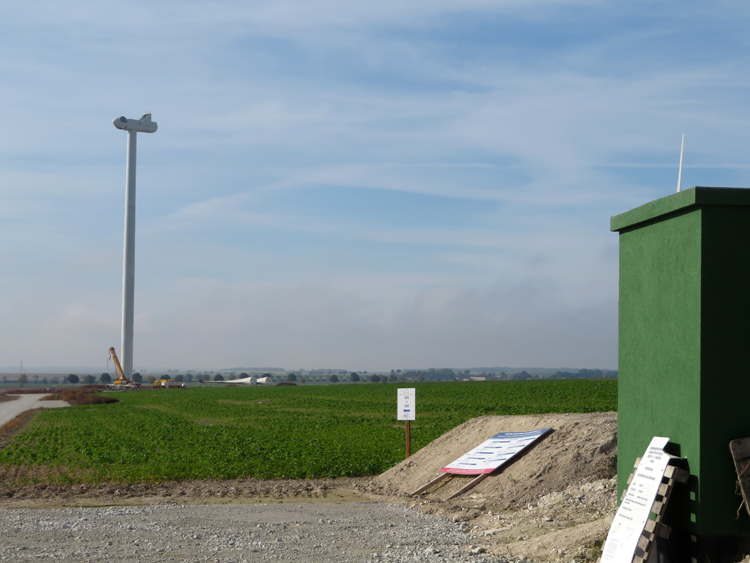

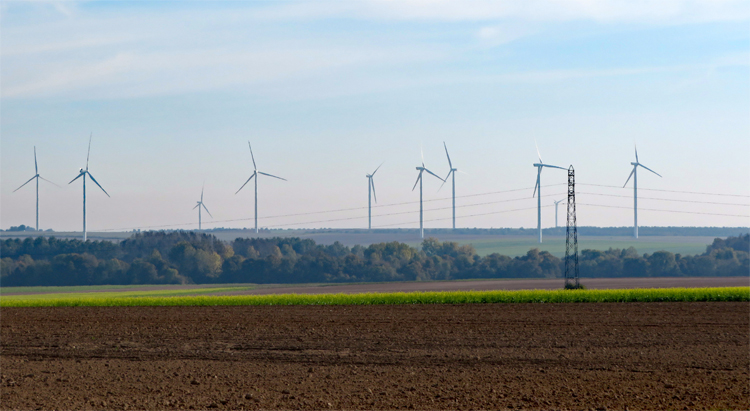
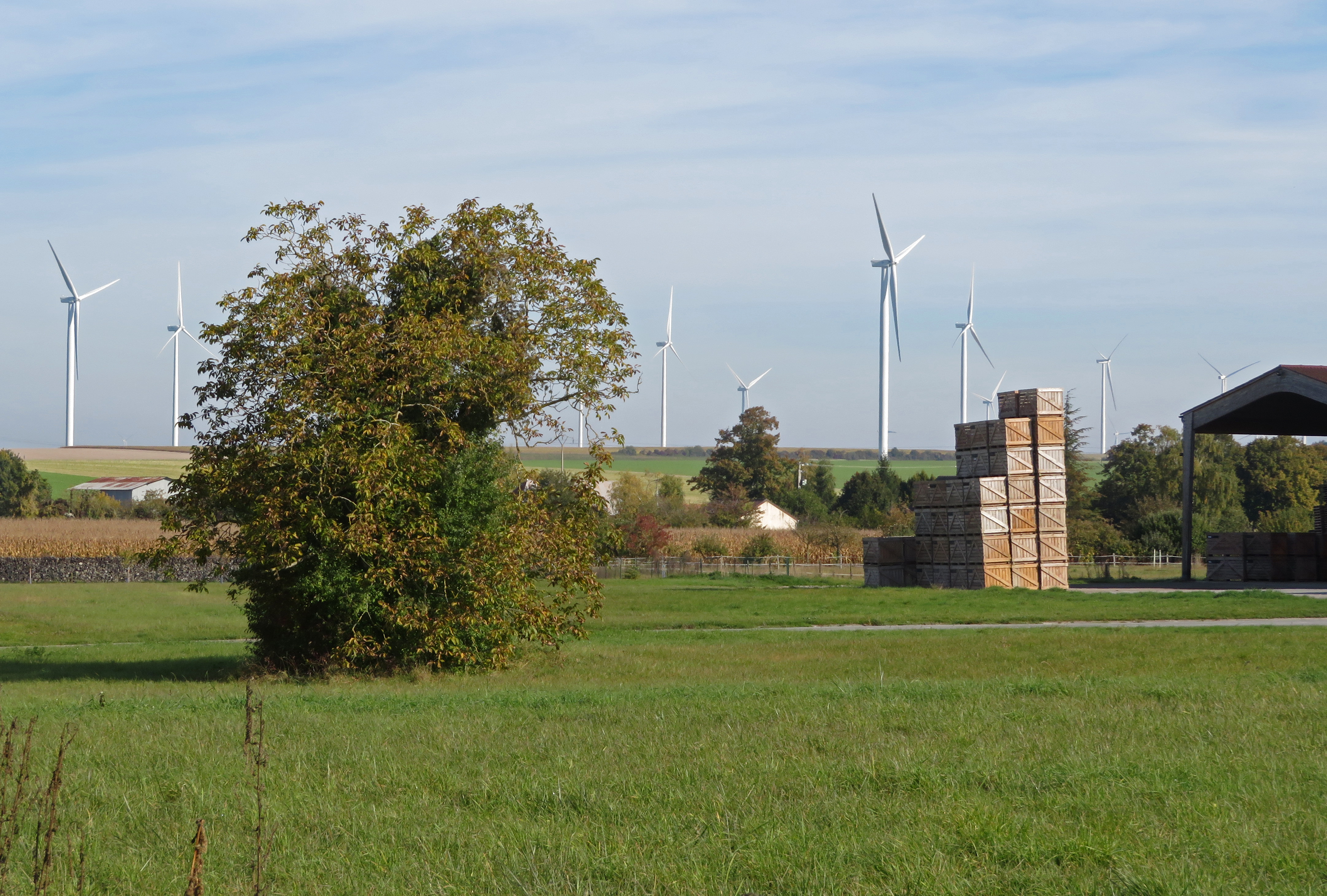
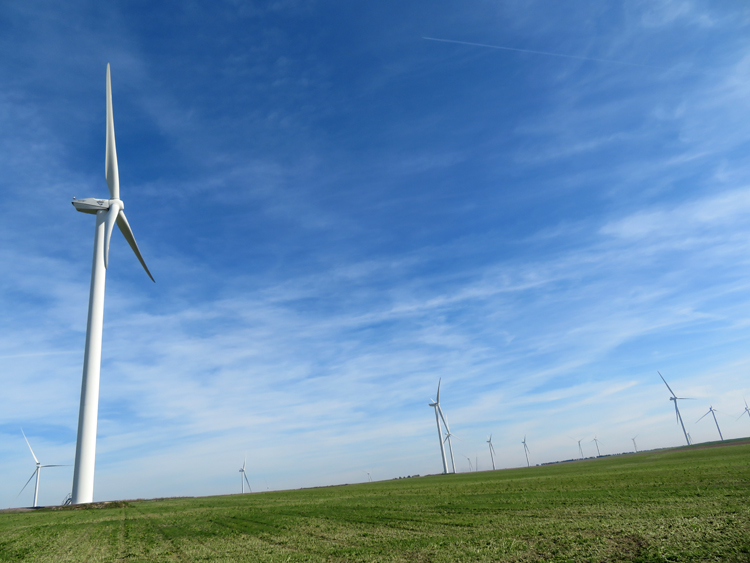
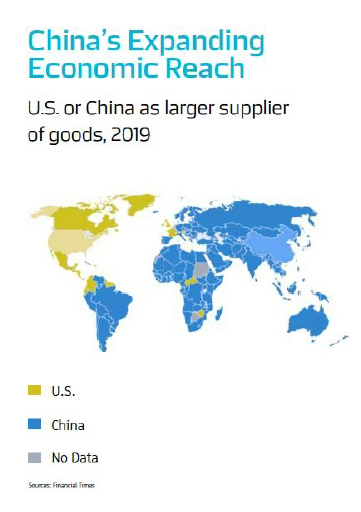



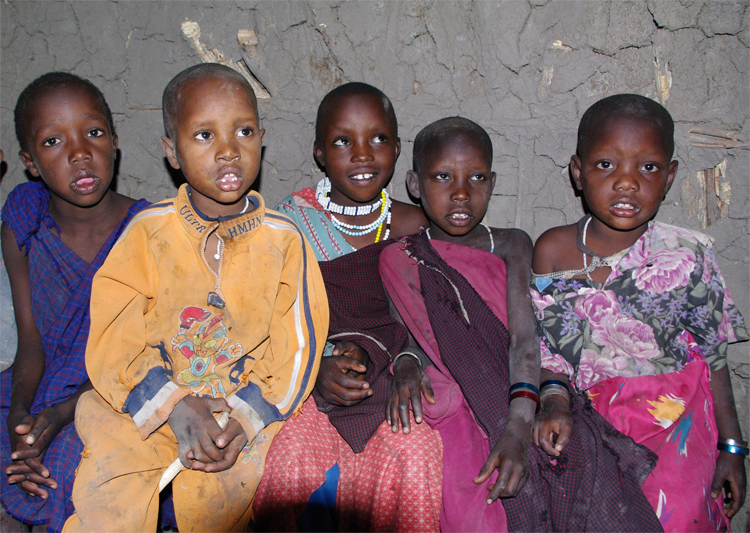
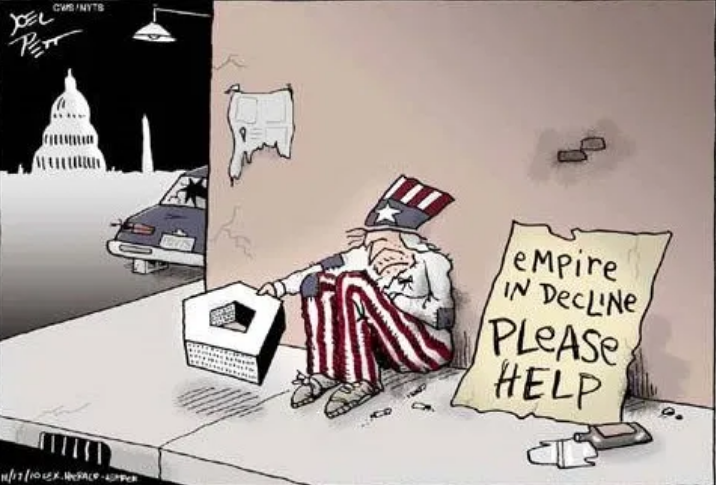



 Tim Unwin's Blog