Category Archives: Photographs

Impressions of Kathmandu and Patan Durbar Squares

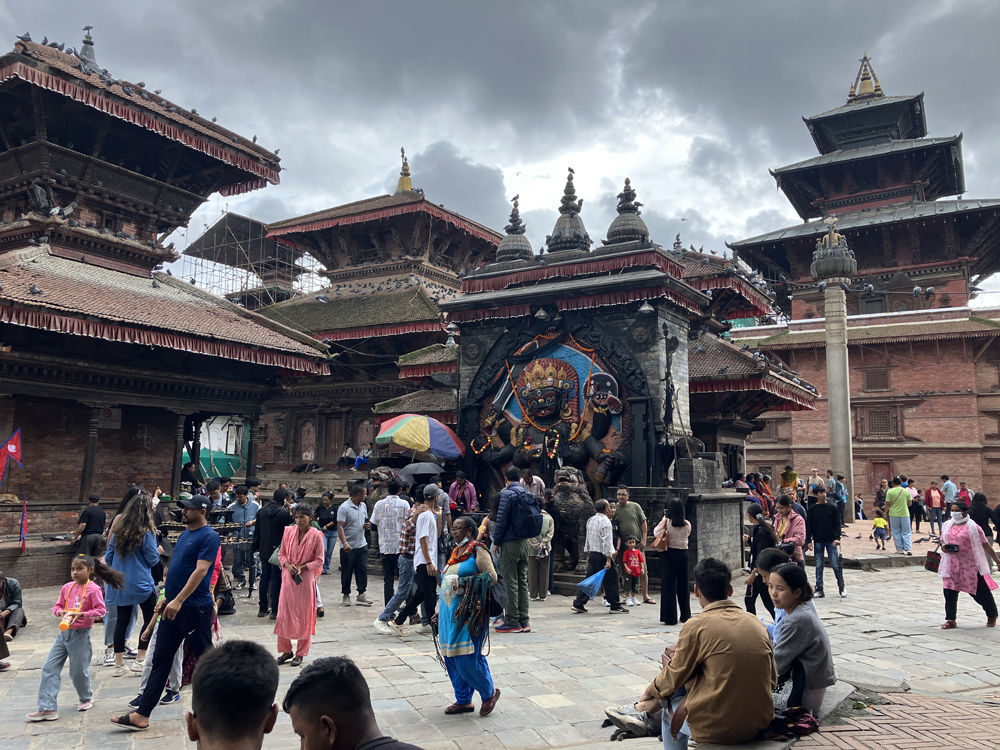
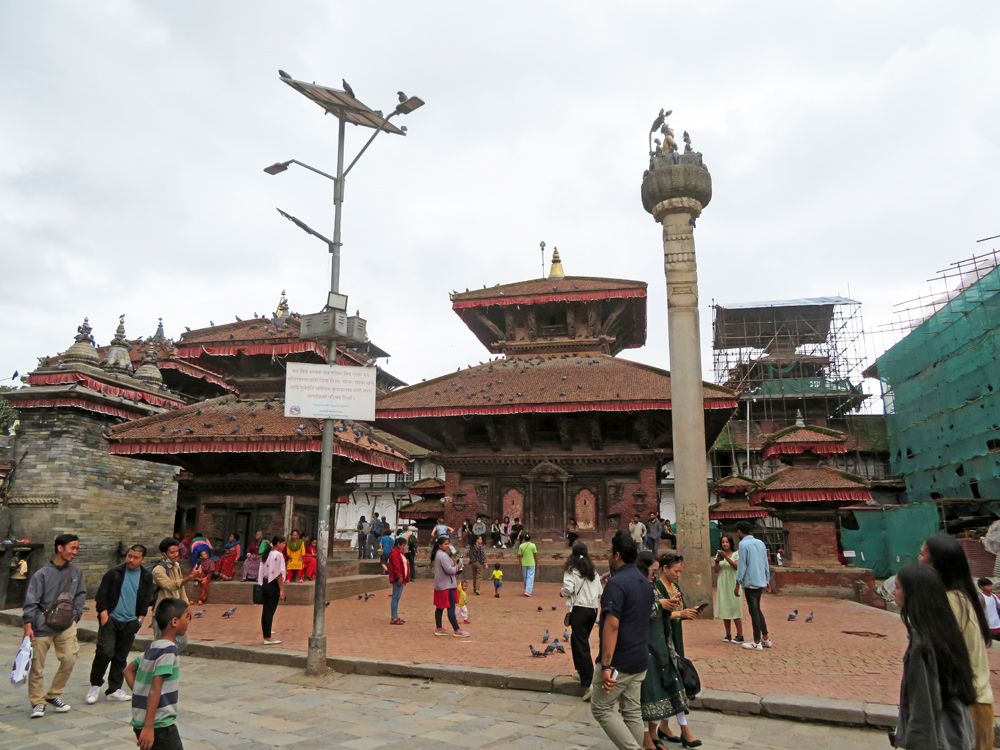
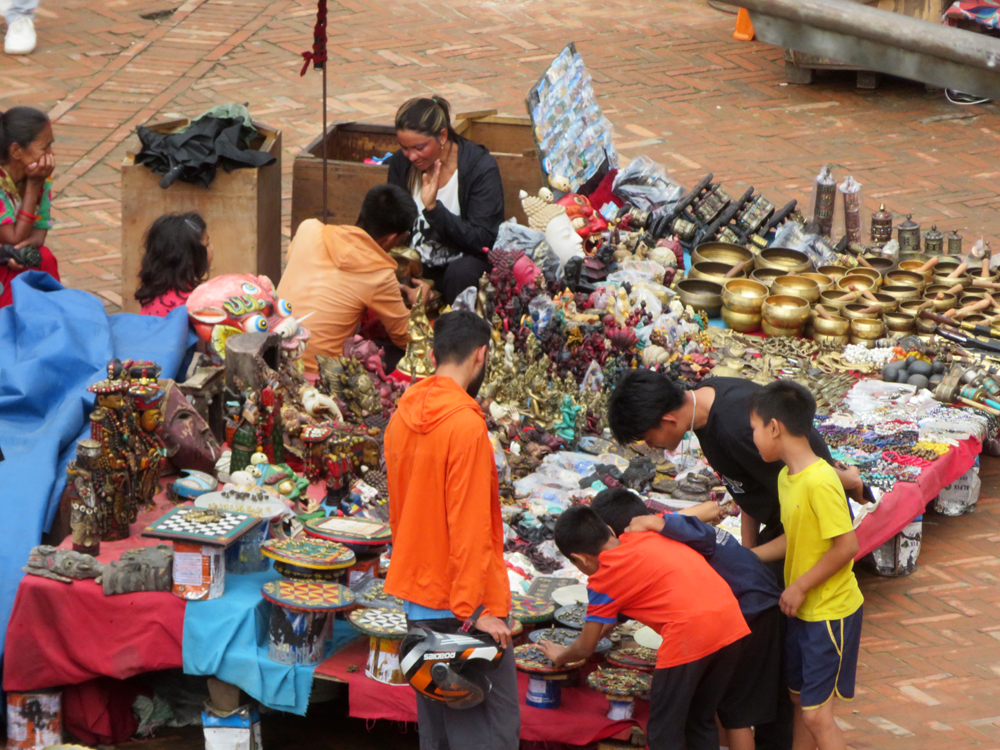
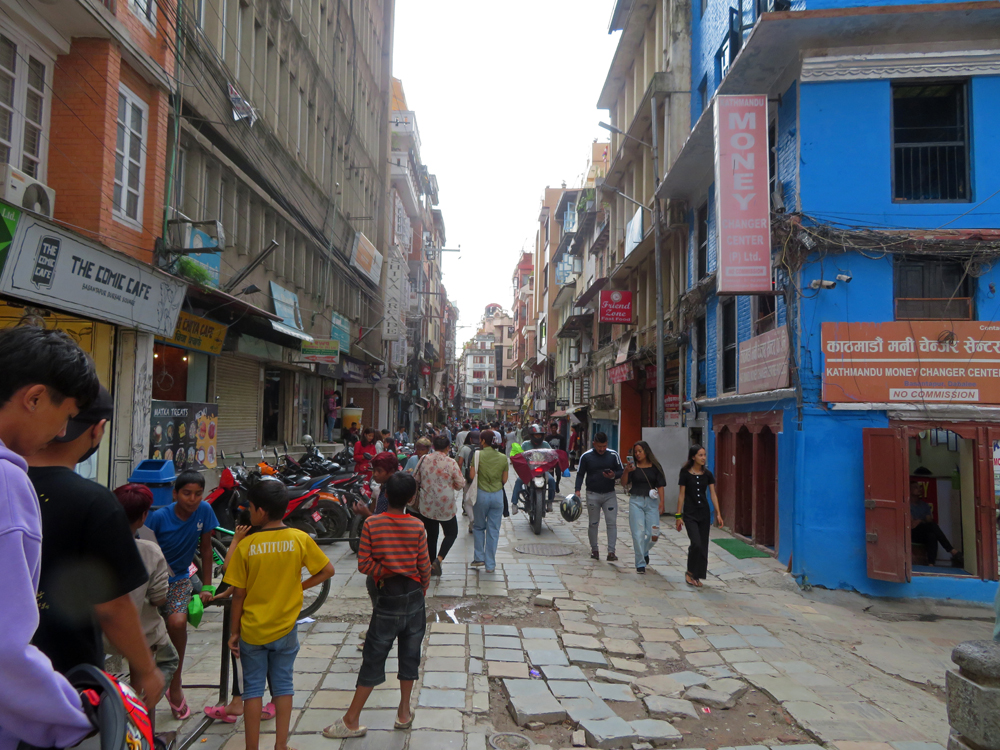
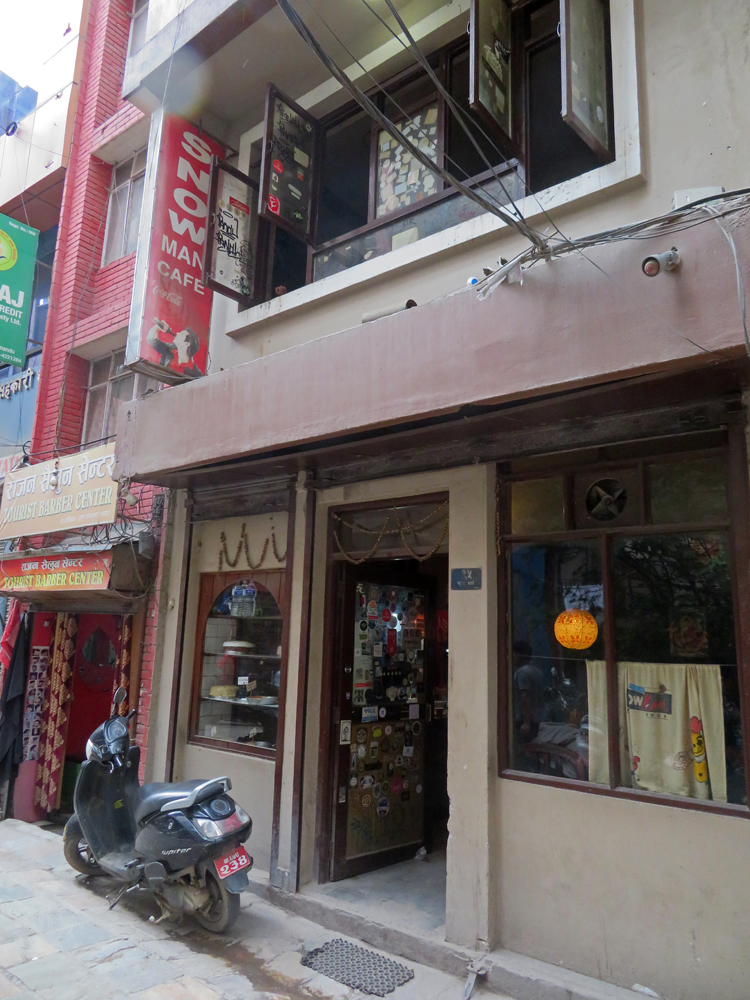
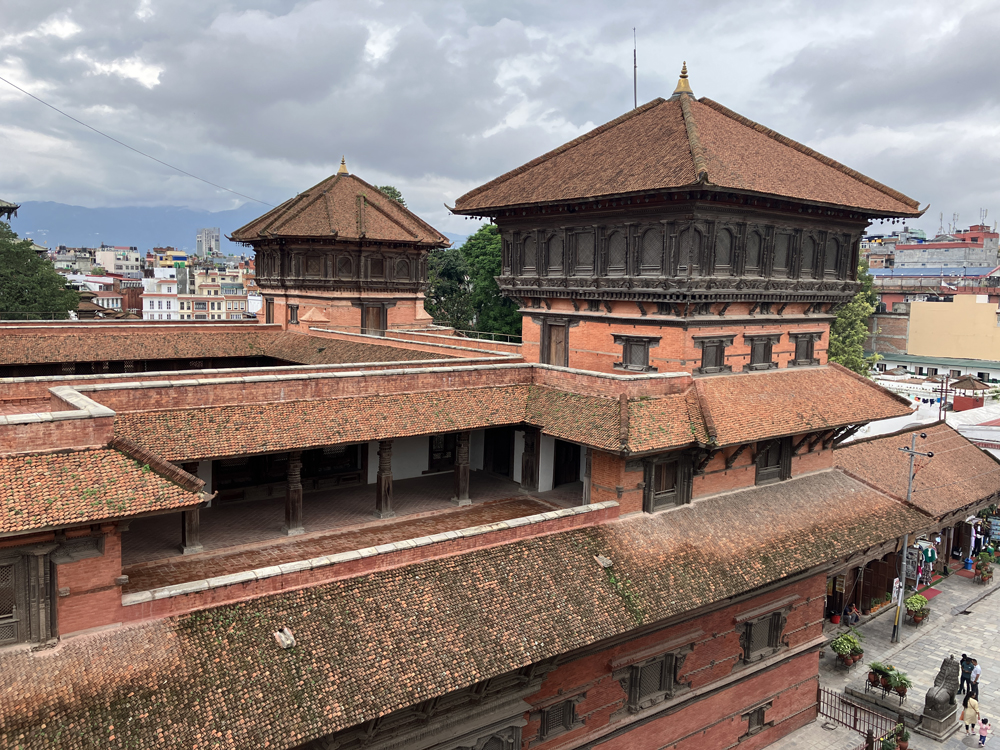
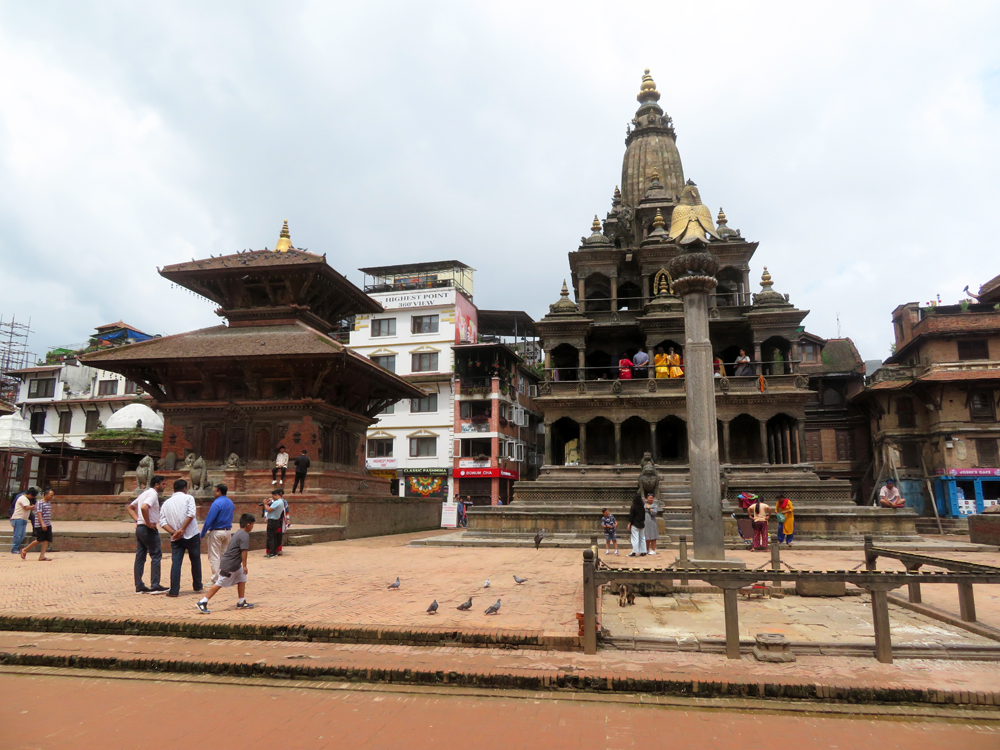
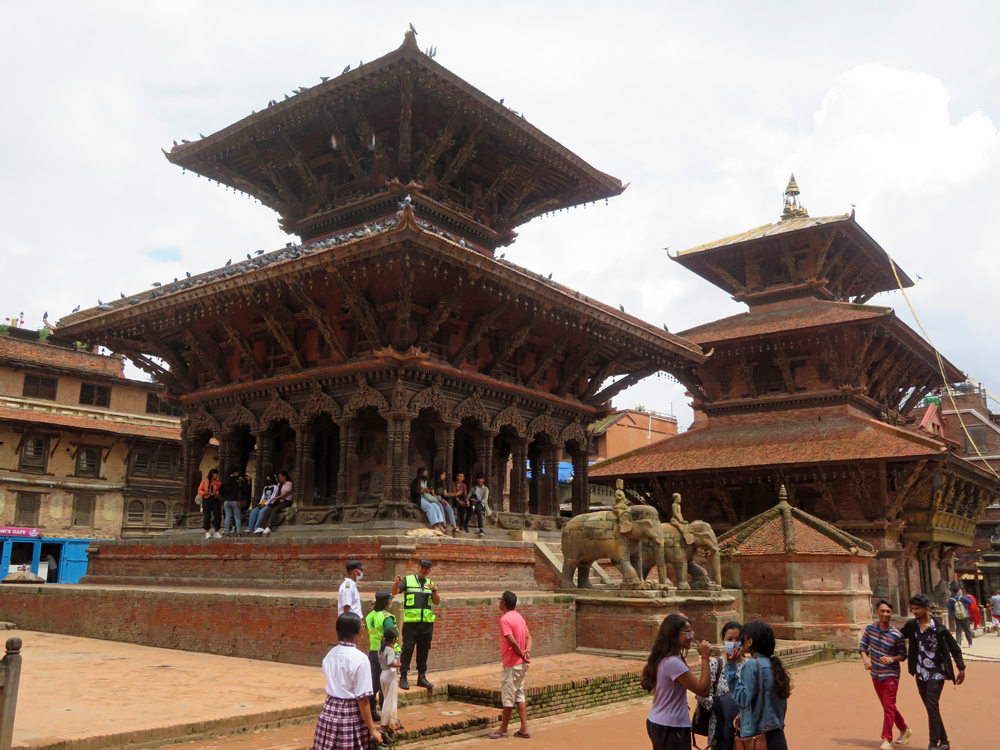
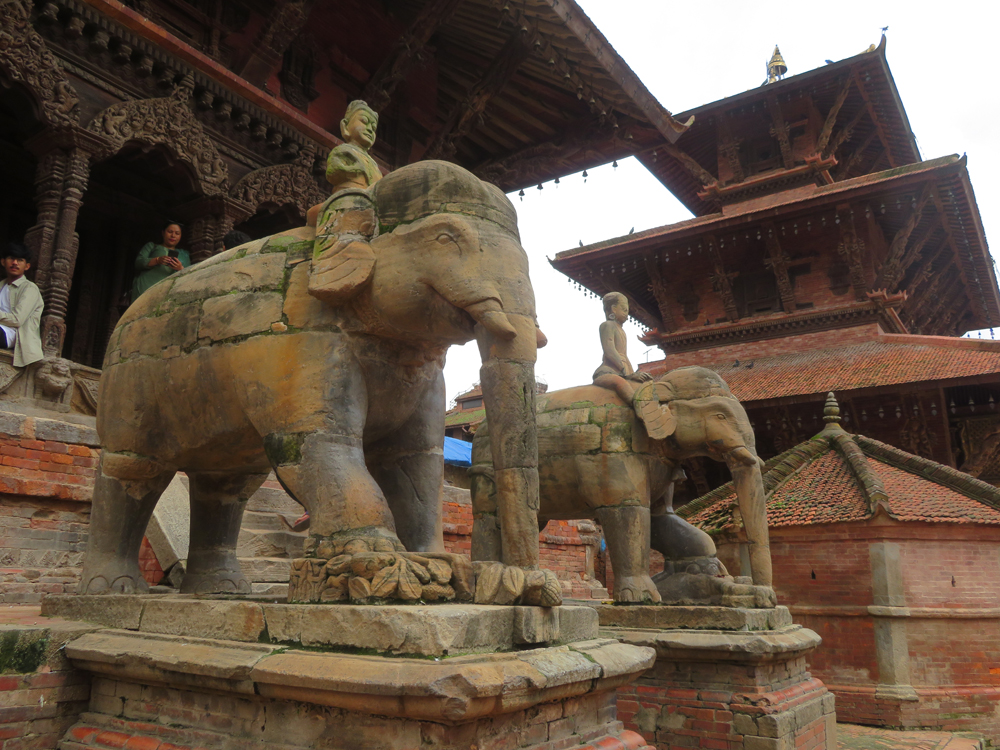
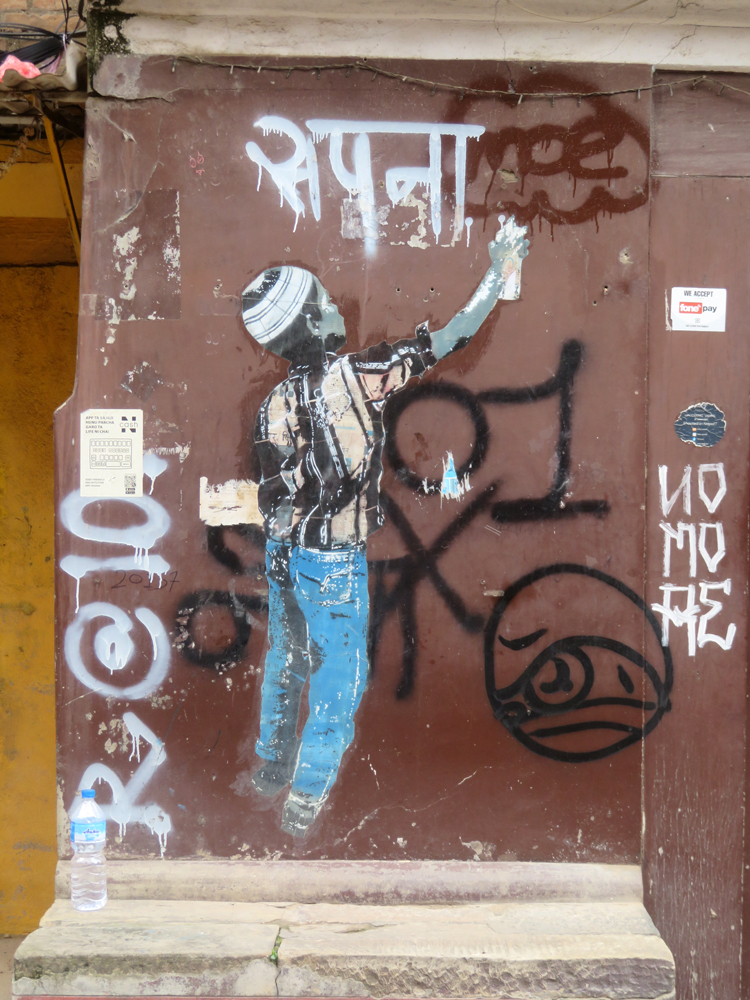
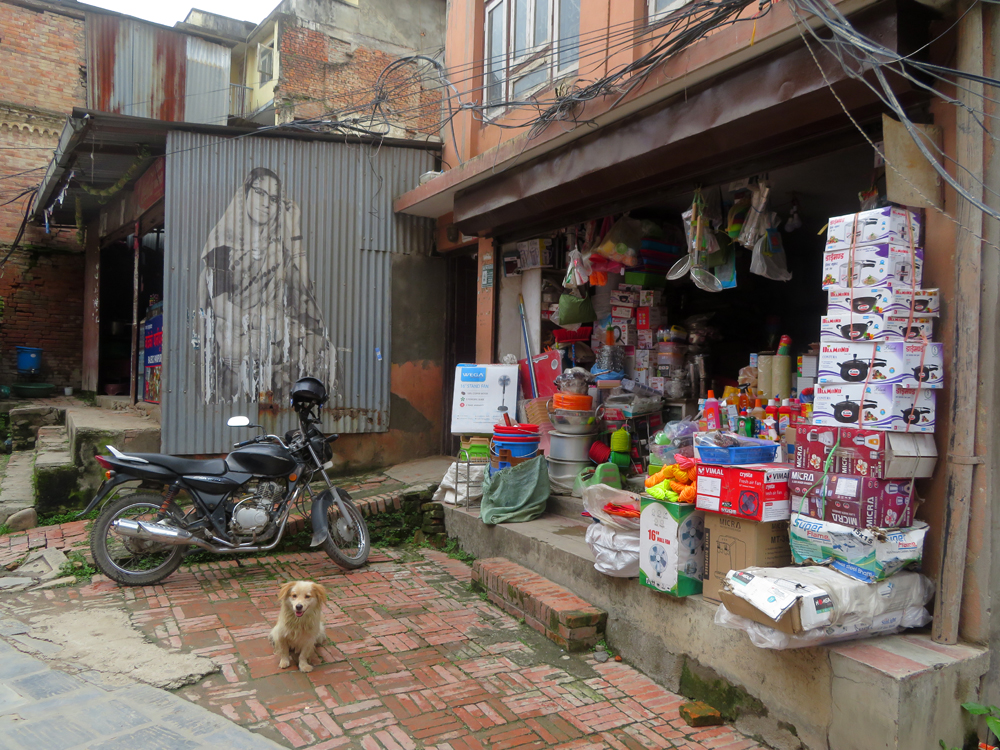
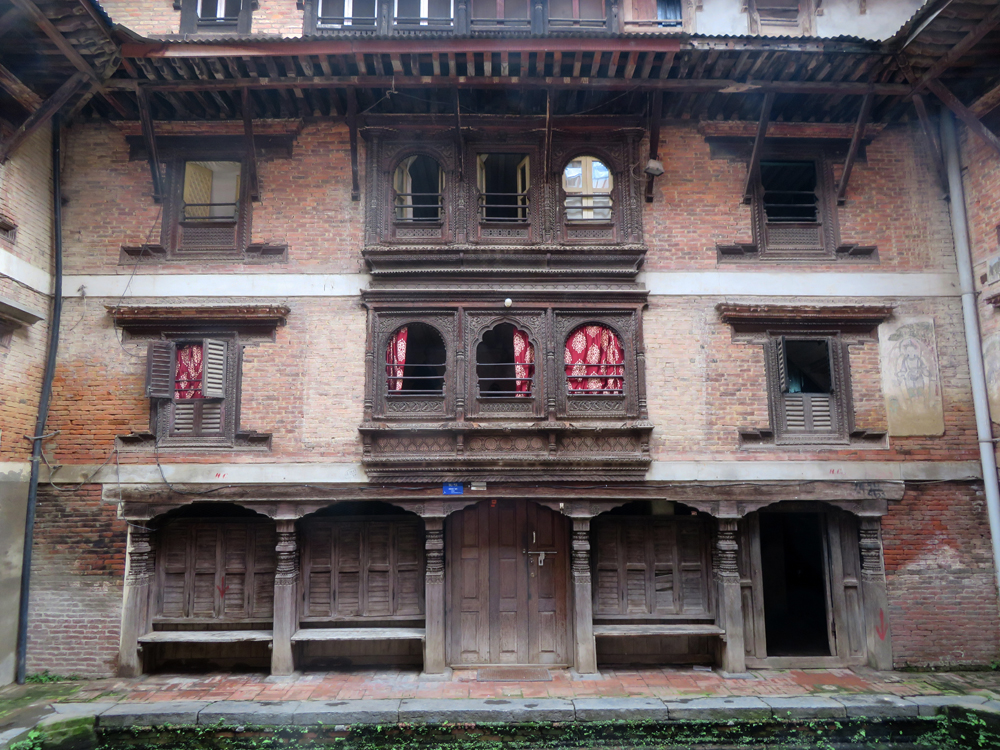
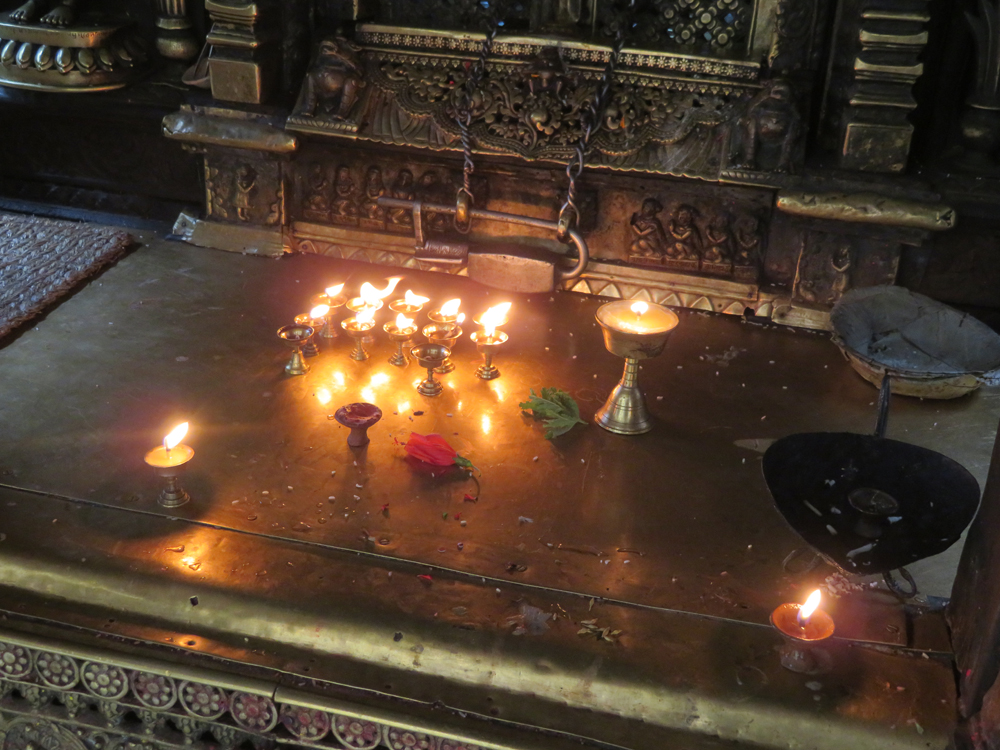
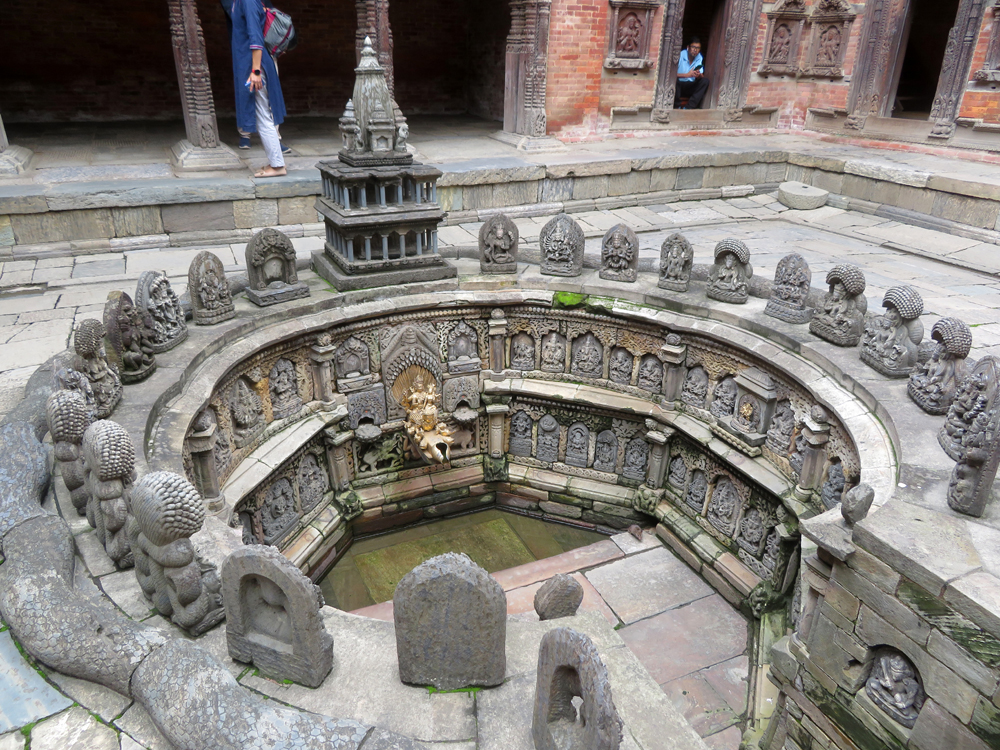
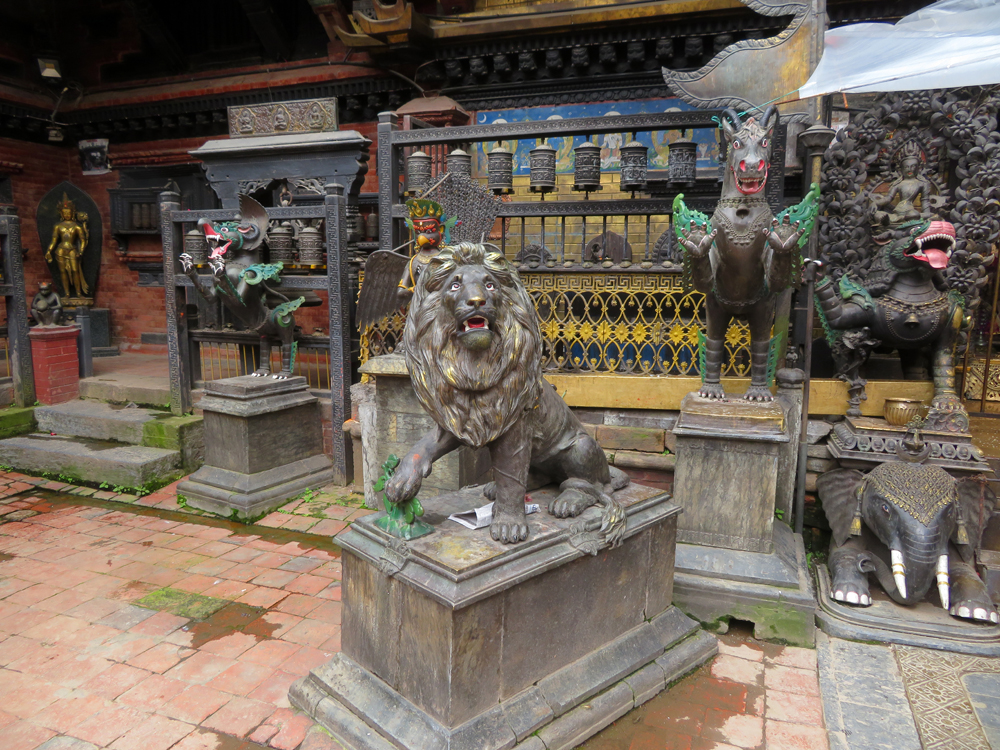
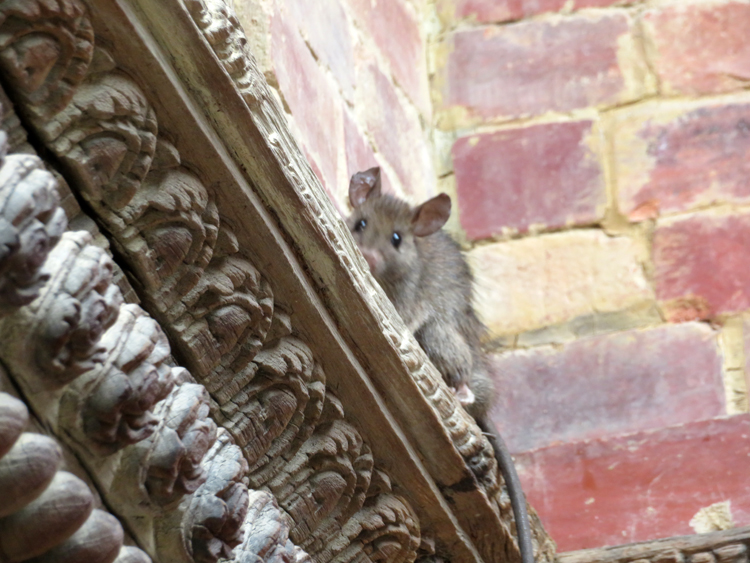
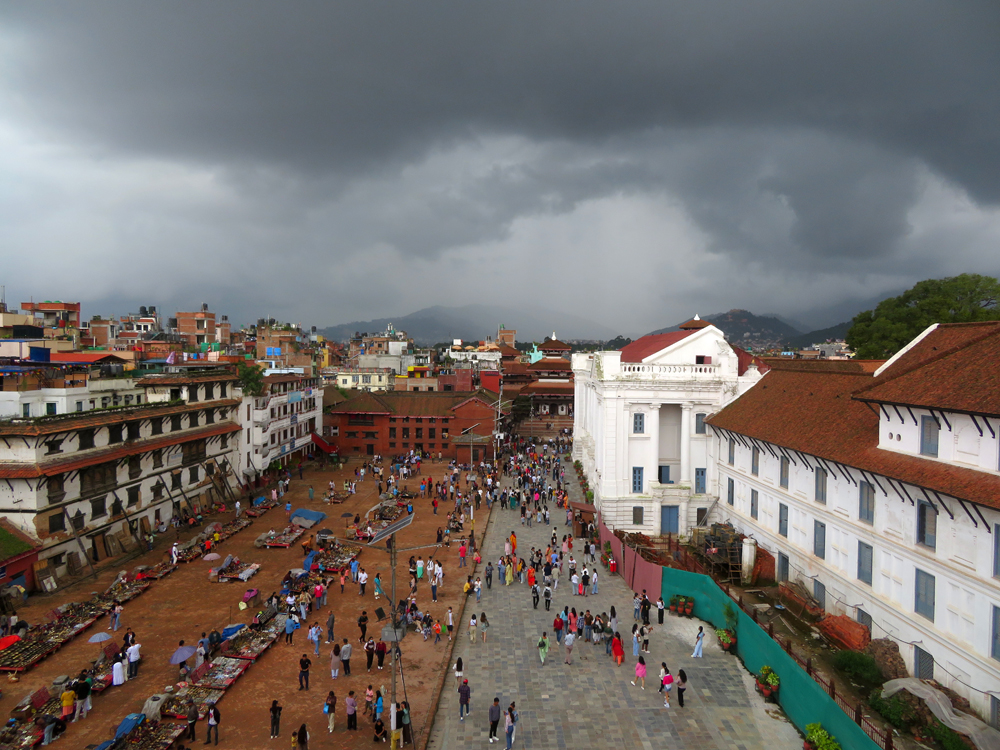
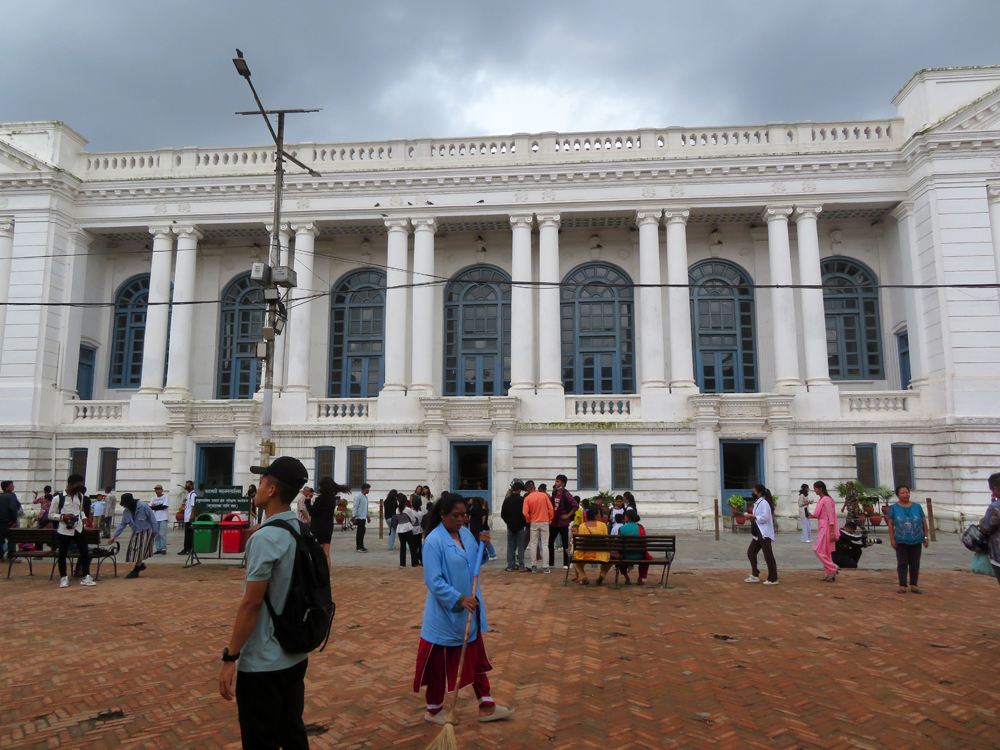
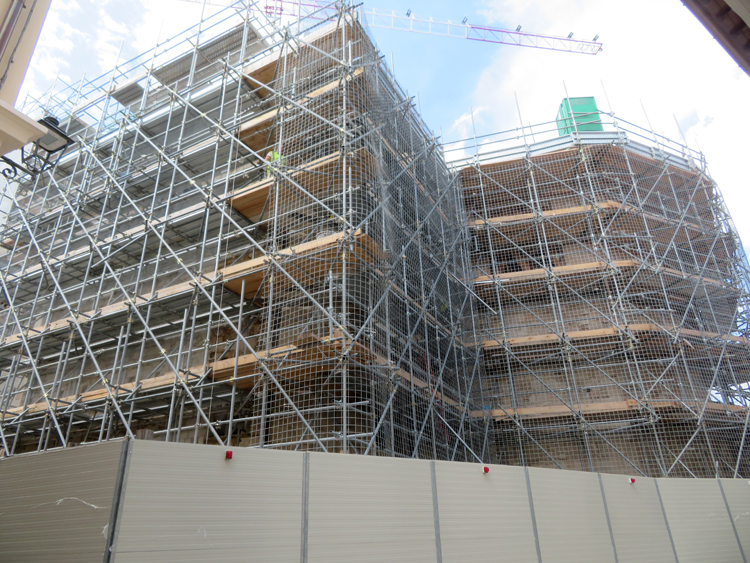
A recent work visit to Kathmandu in July 2023 provided brief opportunities to visit the old Durbar (Royal) Squares in Kathmandu and Patan. Both had suffered serious damage in the 2015 earthquakes, which killed nearly 9,000 people and injured a further 22,000, with some 750,000 houses being damaged or destroyed. While much restoration work still remains to be done throughout the country, it is impressive to witness the extent of the restoration of these important historical monuments and museums. We were so grateful to Nayan Pokhrel for taking us to places we would never have found without him, and for unravelling the complex layers of cultural history that lay behind their original construction. I hope that the images below convey something of the beauty and splendour of these wonderful places and their surrounding streets.

Kathmandu Durbar Square

Under the dark clouds of the monsoon rains…

Patan Durbar Square

1 Comment

Filed under Photographs

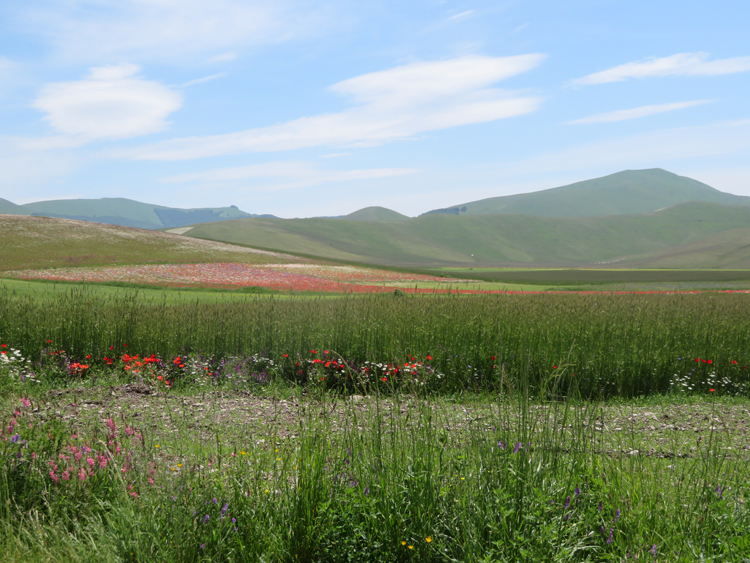
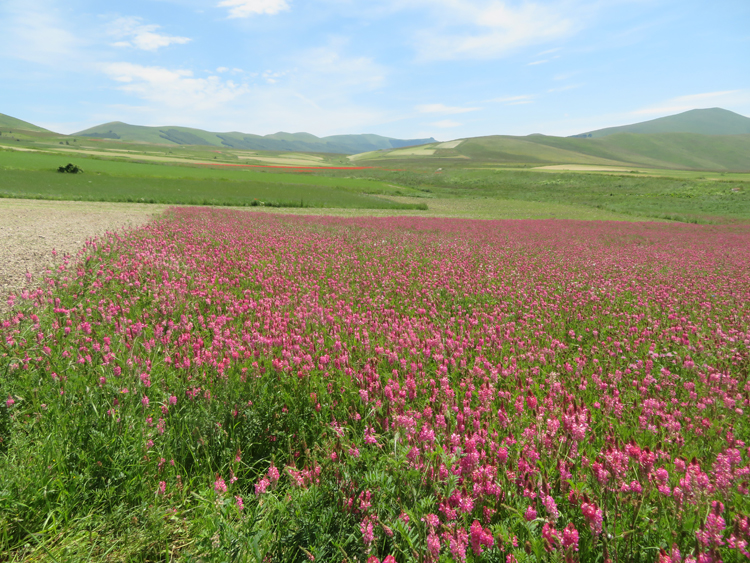
I piani di Castelluccio

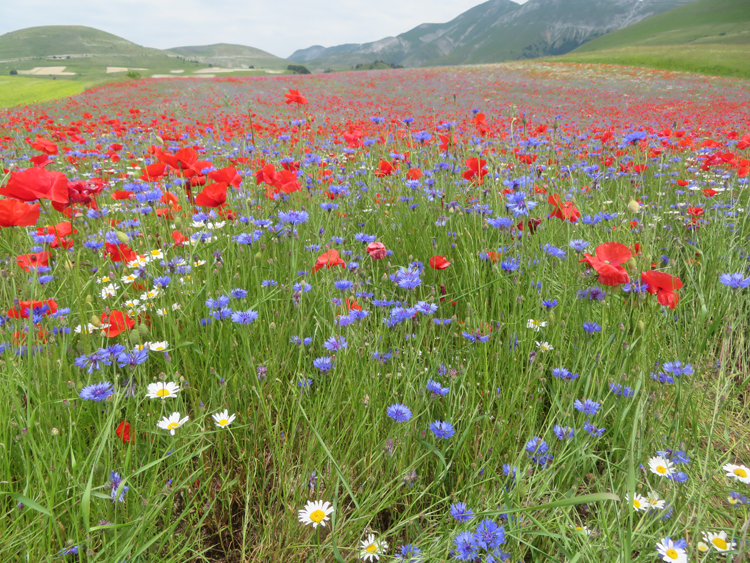
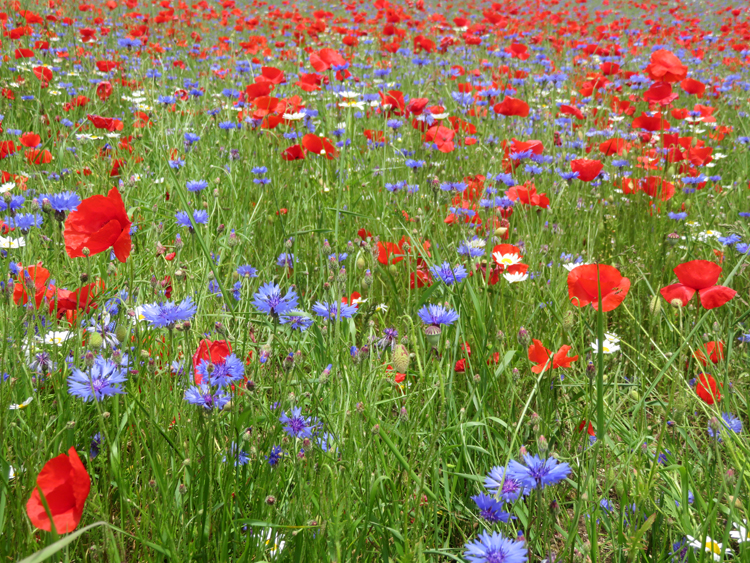
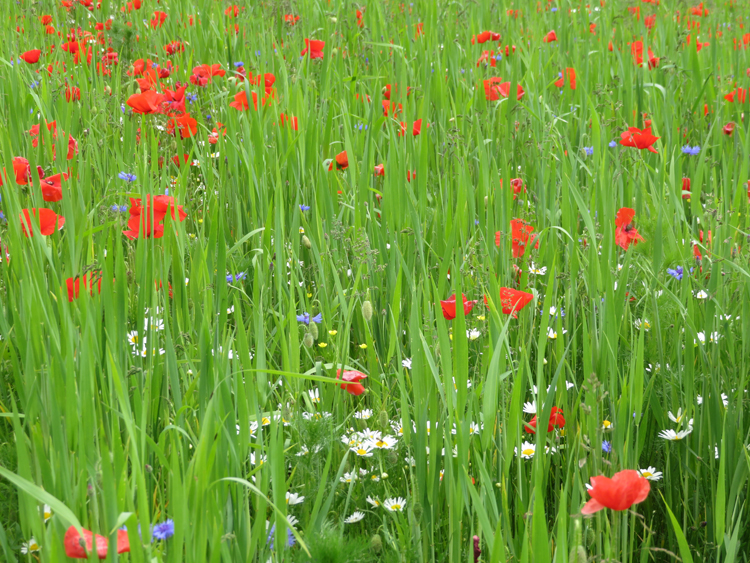
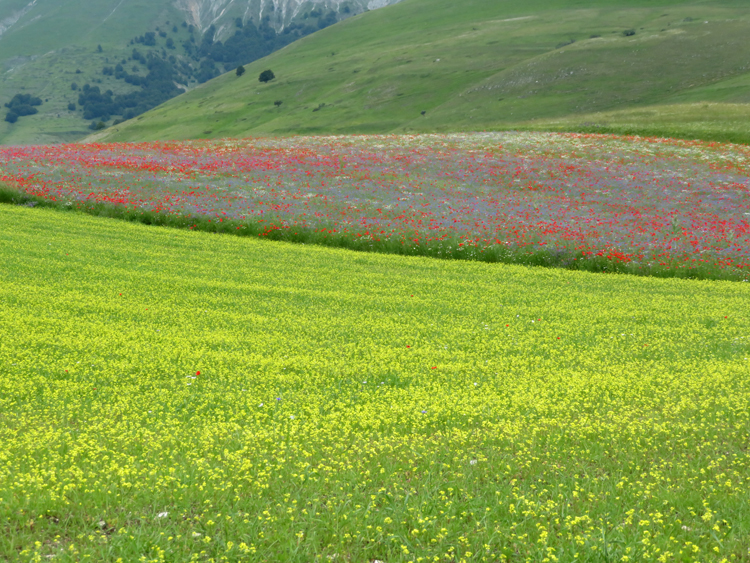
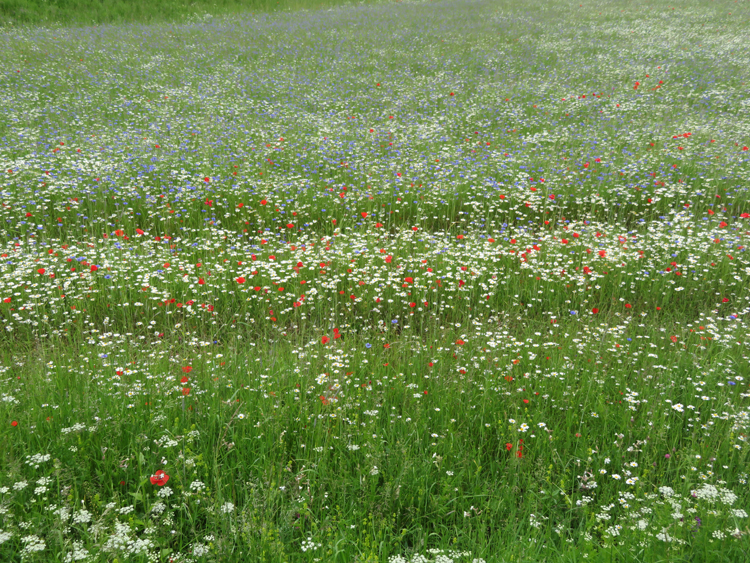
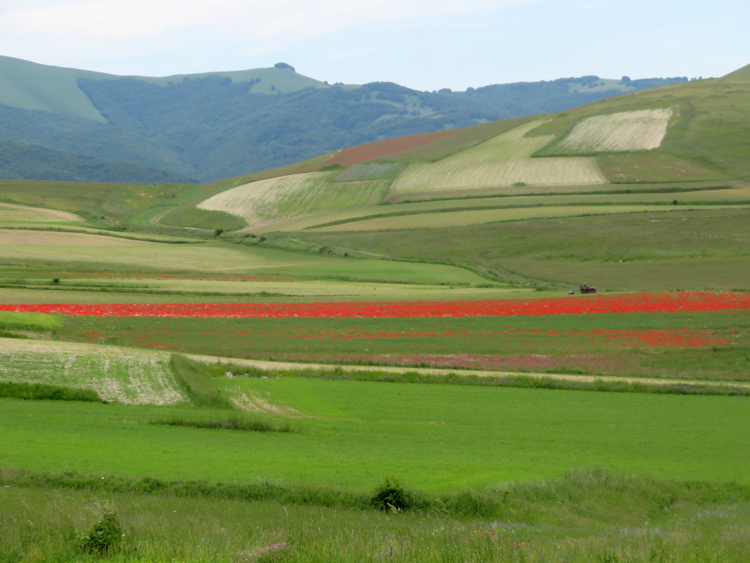
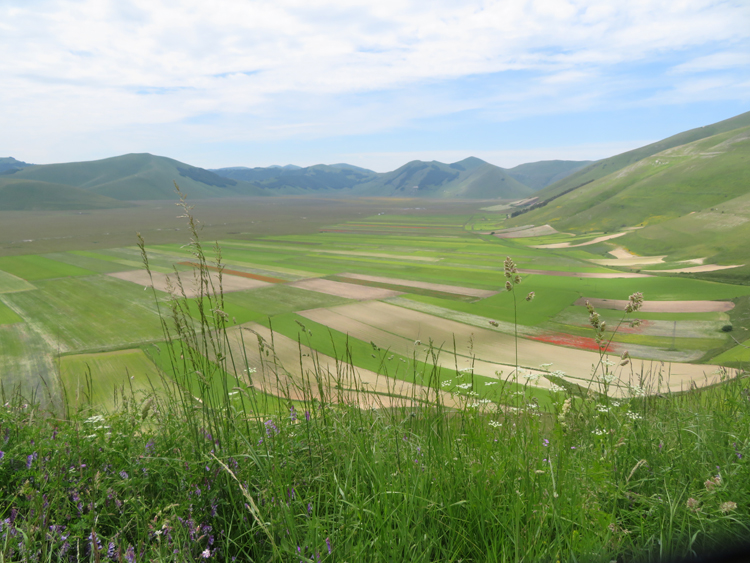
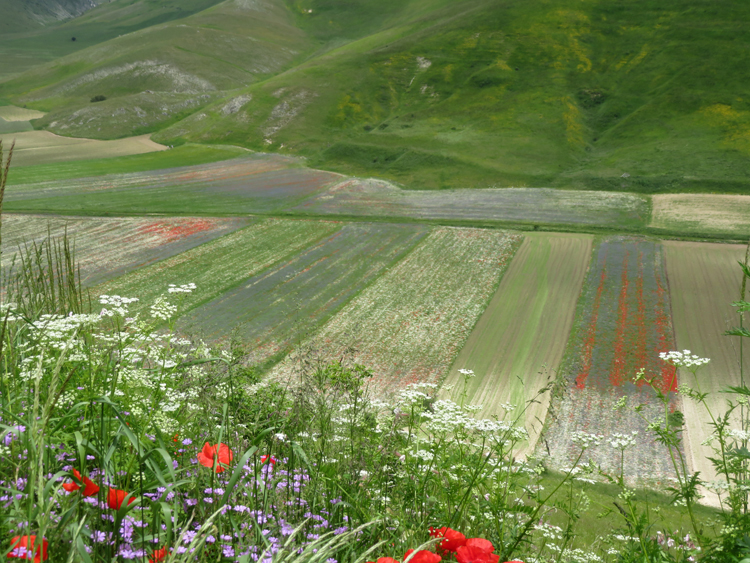
I have always wanted to visit the high plateaus in the Apennine mountains of central Italy in late May and early June to witness the efflorescence of colour as the spring flowers burst into bloom. This year provided a wonderful opportunity to do just that. The tiny village of Castelluccio lies on a hill in the midst of these plains, at an altitude of 1452 m, some 28 kms north of Norcia, and at the centre of the Monti Sibillini National Park. Driving towards it from Visso to the North through the Province of Marche one first encounters the little Pian Perduto (literally, the lost plain). At a distance the flowers do not at first seem particularly impressive, but the closer one gets the more beautiful they appear, with multiple combinations of reds, blues, whites and yellows, as the images below hopefully illustrate:

Crossing the border into Umbria one winds up the hill towards Castelluccio and its numerous tourists bursting out of minibuses to sample the many pop-up food stalls. Driving onwards, it is possible to take the little tracks across the Pian Grande (Great Plain) beneath Monte Vettore, past the shepherds still pasturing their sheep, and into the numerous fields sown with a multiplicity of different crops and flowers.

It is an amazing sight, quite unlike anything that I have experienced before. Walking along the field edges the sweet scents of the flowers and the buzzing of countless insects reminds one of the significance and power of the natural world – the real world – something that will never fully be replaced by digital tech. It is so beautiful and so uplifting.

Looking more closely, though, it is also possible to see the white scar across the upper slopes of Monte Vettore (left image below), a reminder of the devastating forces of nature experienced in earthquakes. This is but one expression of the massive 2016 earthquakes that killed some 300 people and devastated nearby Norcia, largely destroying its monuments and churches (below right), especially the basilica of San Benedetto (patron saint of Europe). It will sadly be many years before these buildings are safely restored.

I very much hope that one day I will return to the restored churches of Norcia, and once again experience the wonder of i piani di Castelluccio.

4 Comments

Filed under Photographs

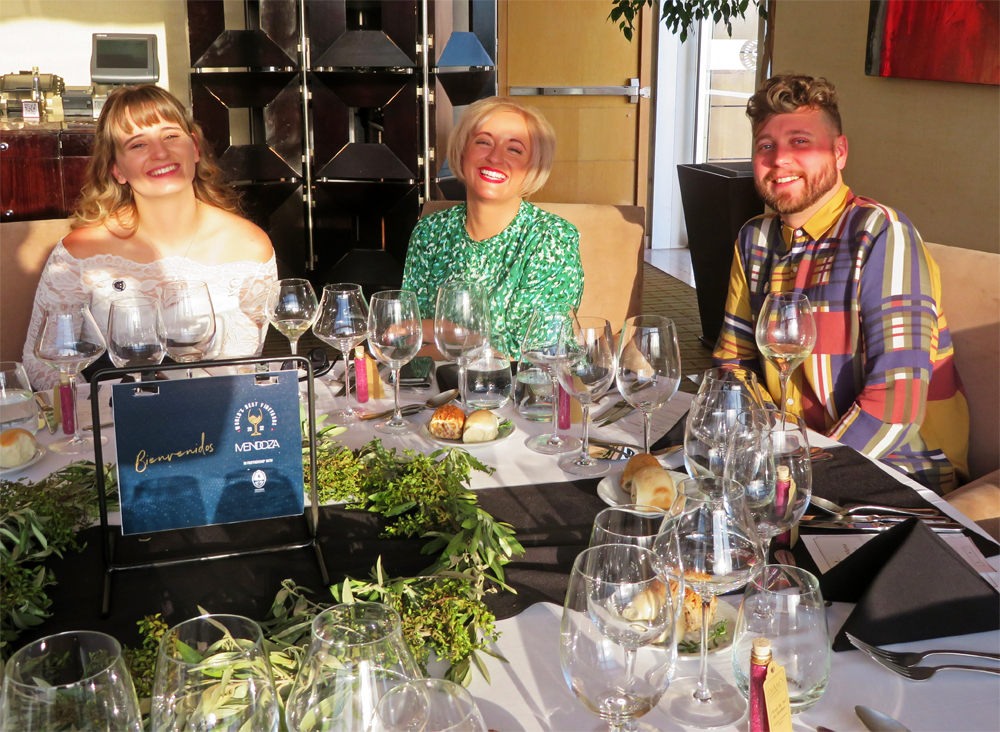
World’s Best Vineyards Top-50 celebrations in Mendoza

It is a great honour to serve as the Academy Chair for the UK and Ireland of the World’s Best Vineyards awards organised by William Reed, which are designed to celebrate and promote the best wine tourism experiences in the world. To achieve this, there are 21 regional panels, each of which has 36 members, who annually vote for their top 7 winery/vineyard experiences. Membership of these panels changes each year, with a constant rotation of new members rotating onto them. In this role, I have very much tried to ensure that our panel represents the rich diversity of the countries of the UK and Ireland, different wine sectors (including importers, retailers, sommeliers, writers, and consultants) and varied personal characteristics including gender, ethnicity and age. This is by no means easy to achieve!

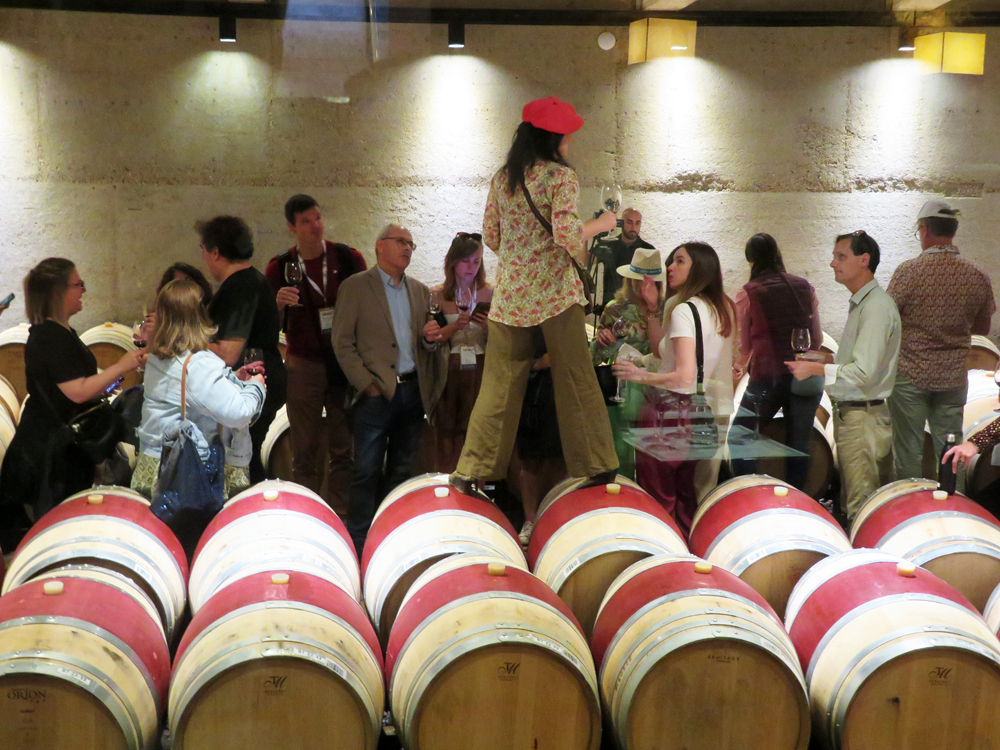
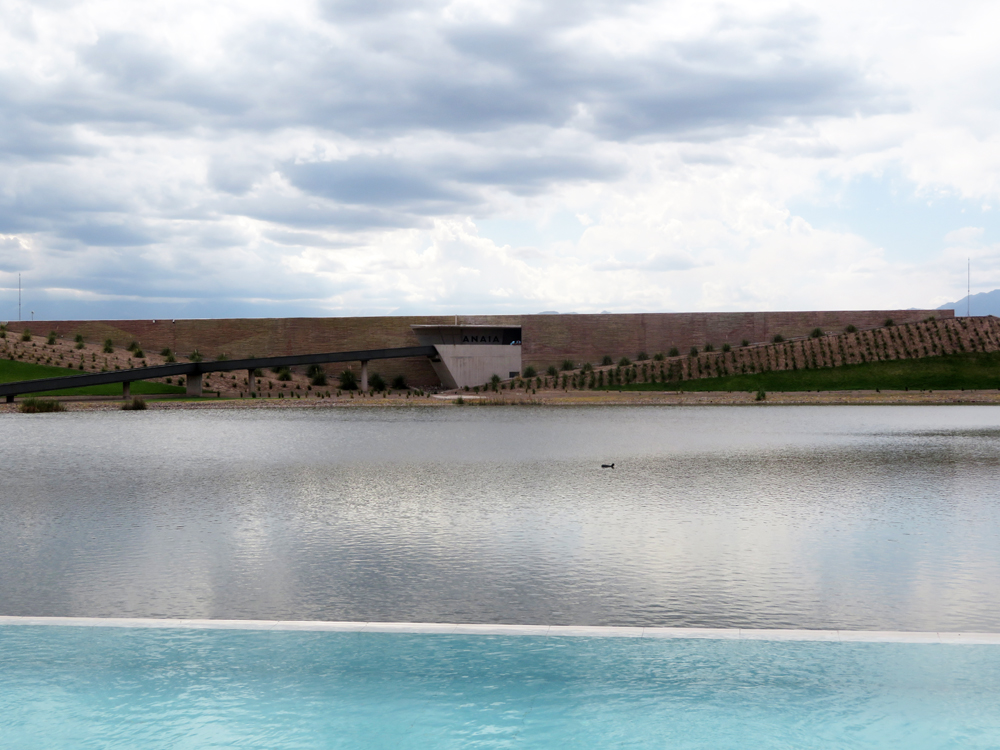
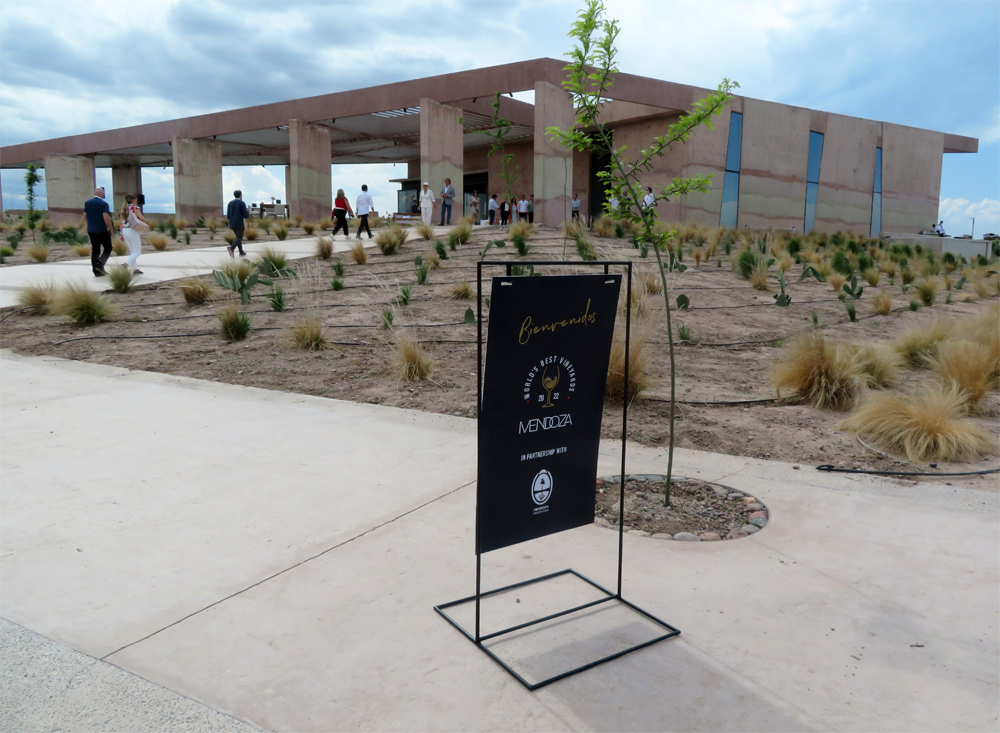
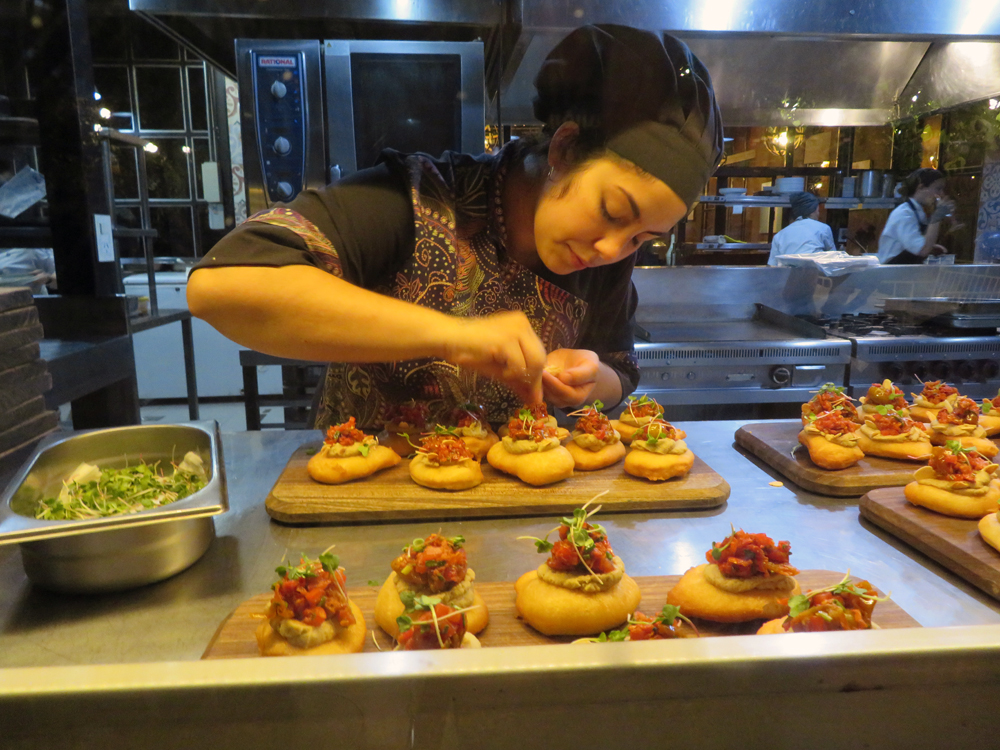
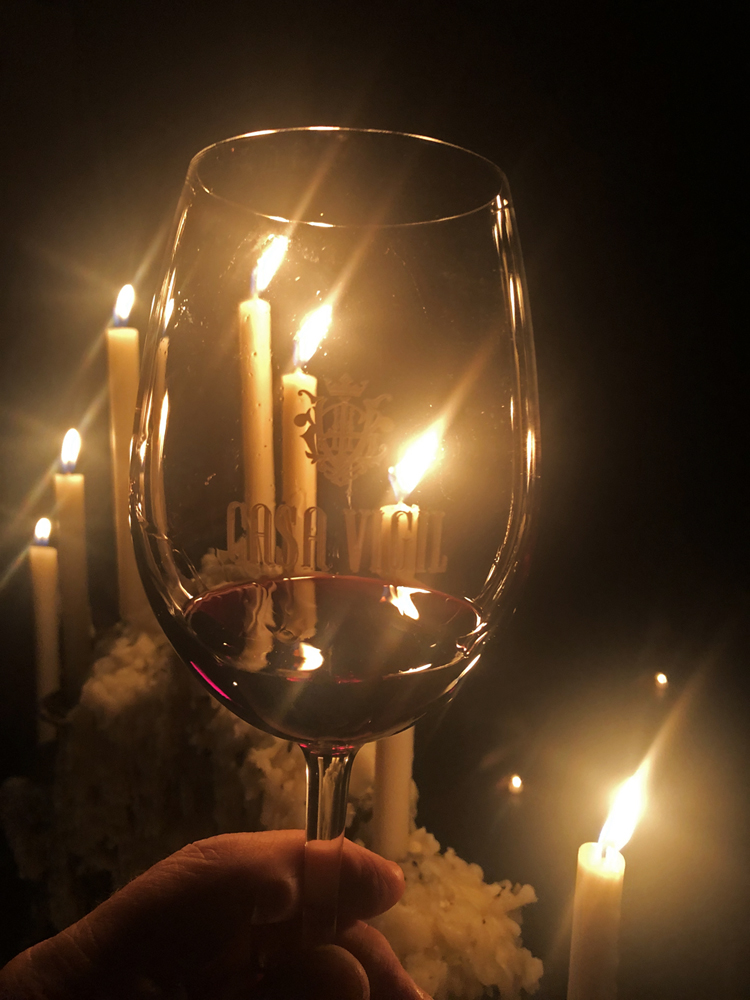
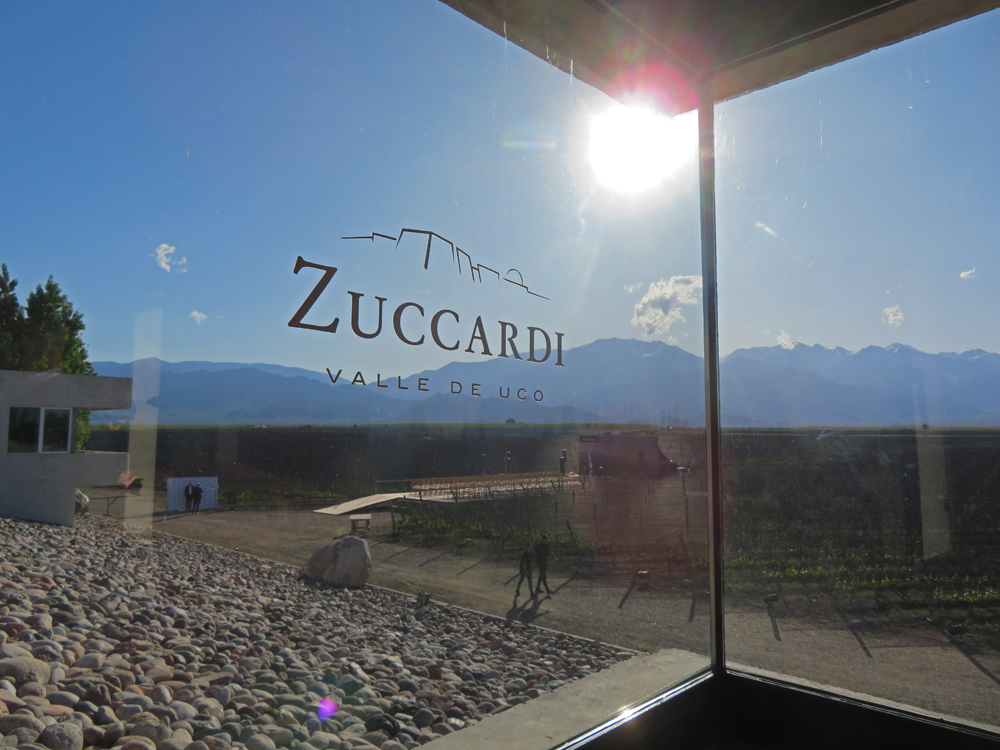
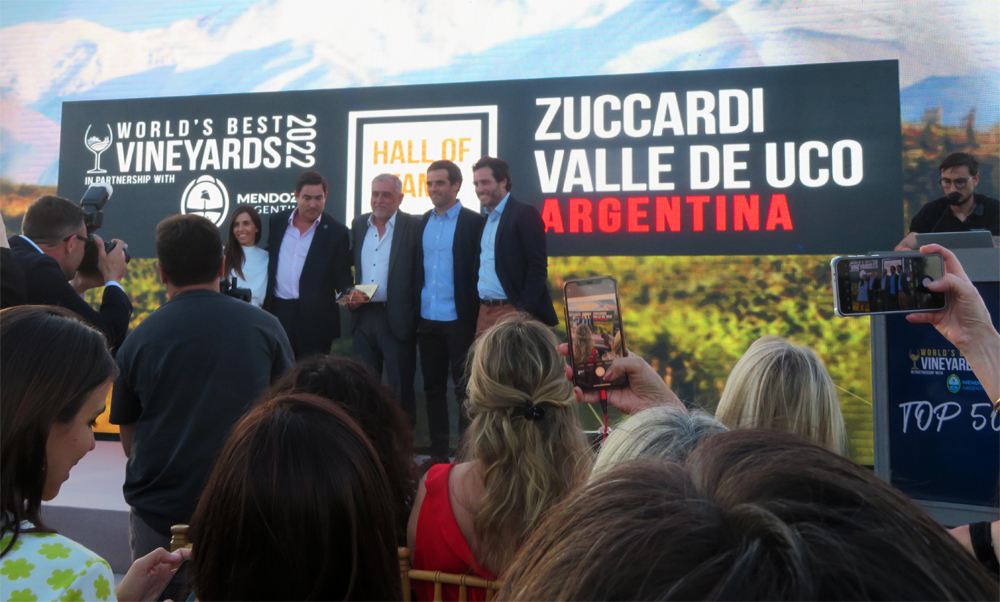
The annual awards ceremony for the top 50 winery/vineyard experiences is hosted by a different country each year. The 2021 ceremony was thus hosted at Schloss Johannisberg in the Rheingau in Germany, and this year’s ceremony was held in late October at Zuccardi, Valle de Uco, in Mendoza Argentina. The Academy Chairs along with a select group of other leading figures in the wine tourism industry are invited to these awards, and this year a spectacular progamme of winery visits was arranged in Mendoza in partnership with The Government of Mendoza.

We had the privilege of visiting the following wineries, where we also had comprehensive tastings:

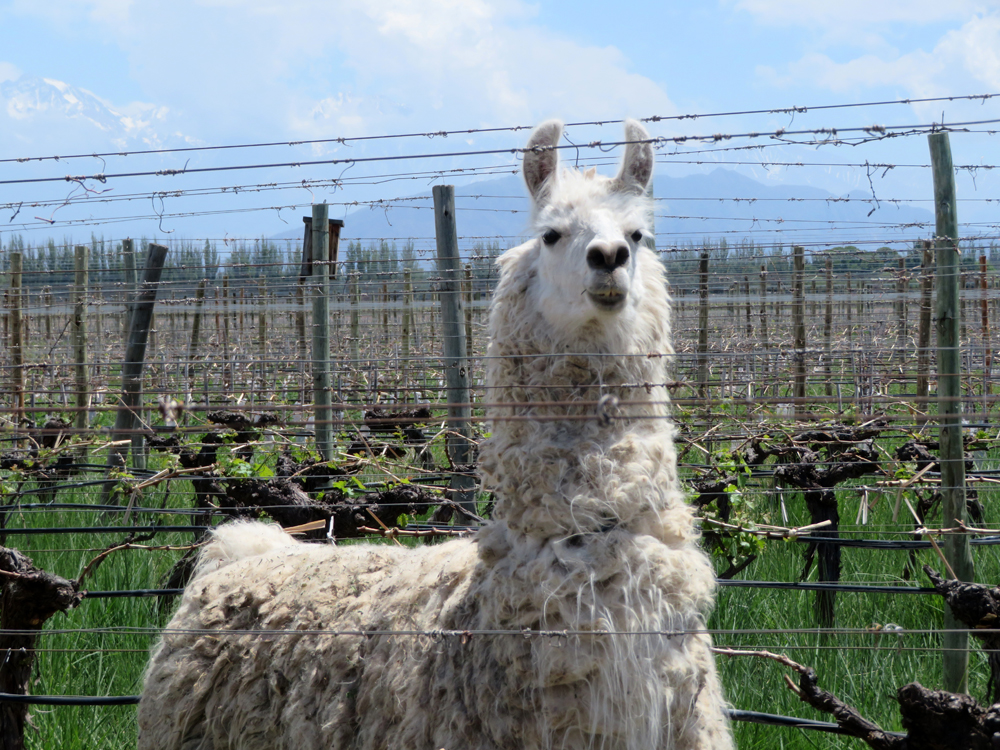
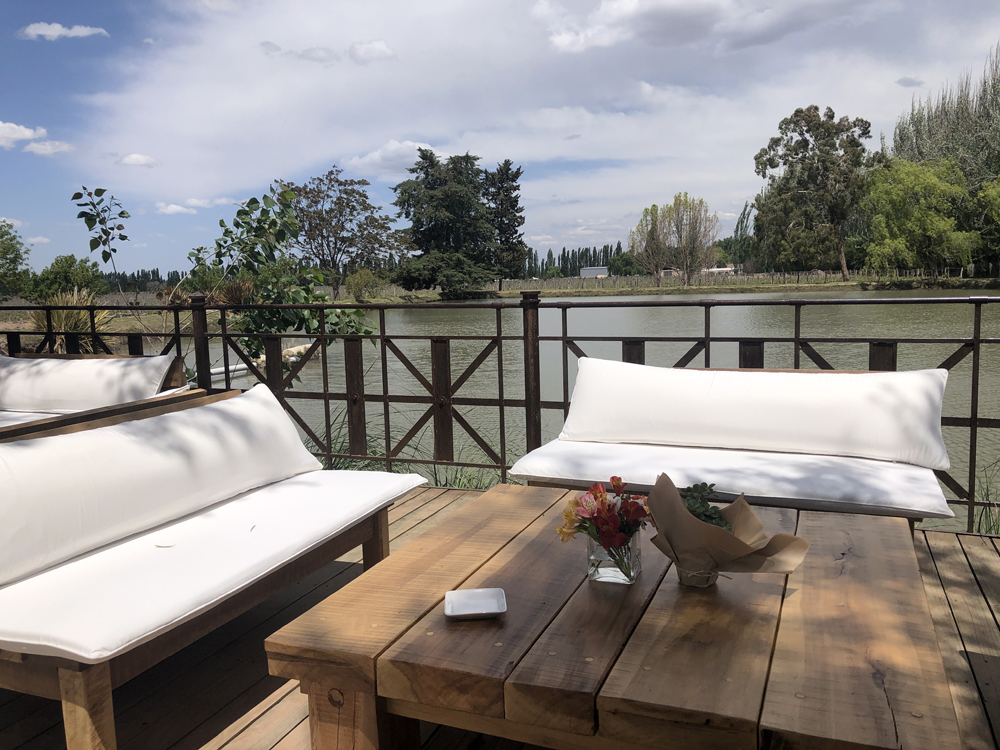
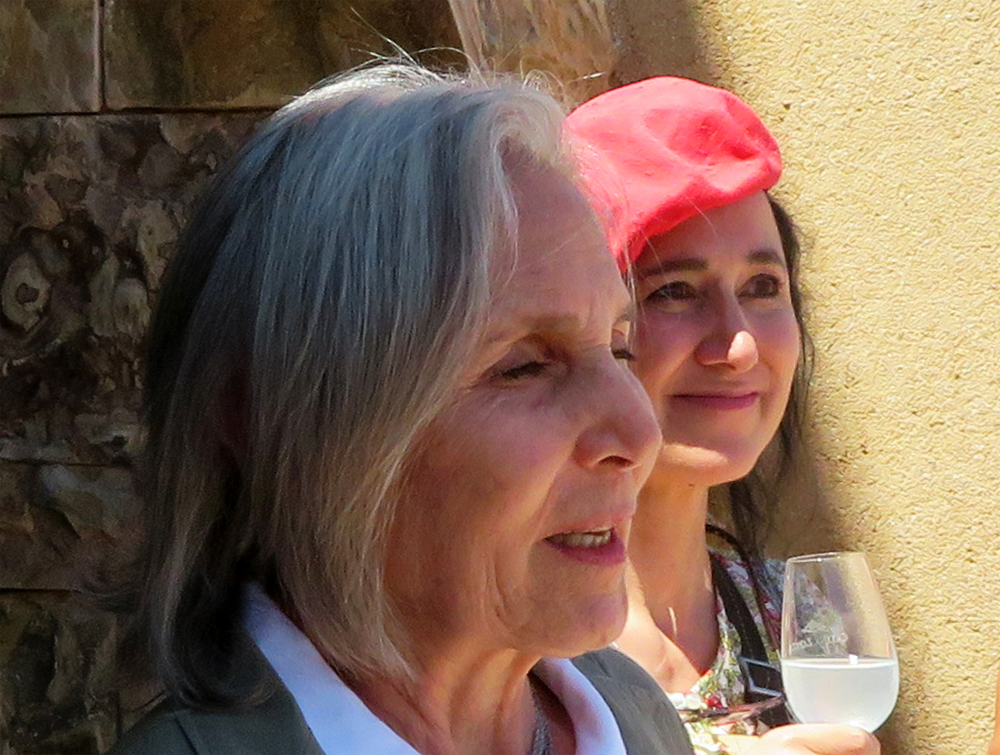
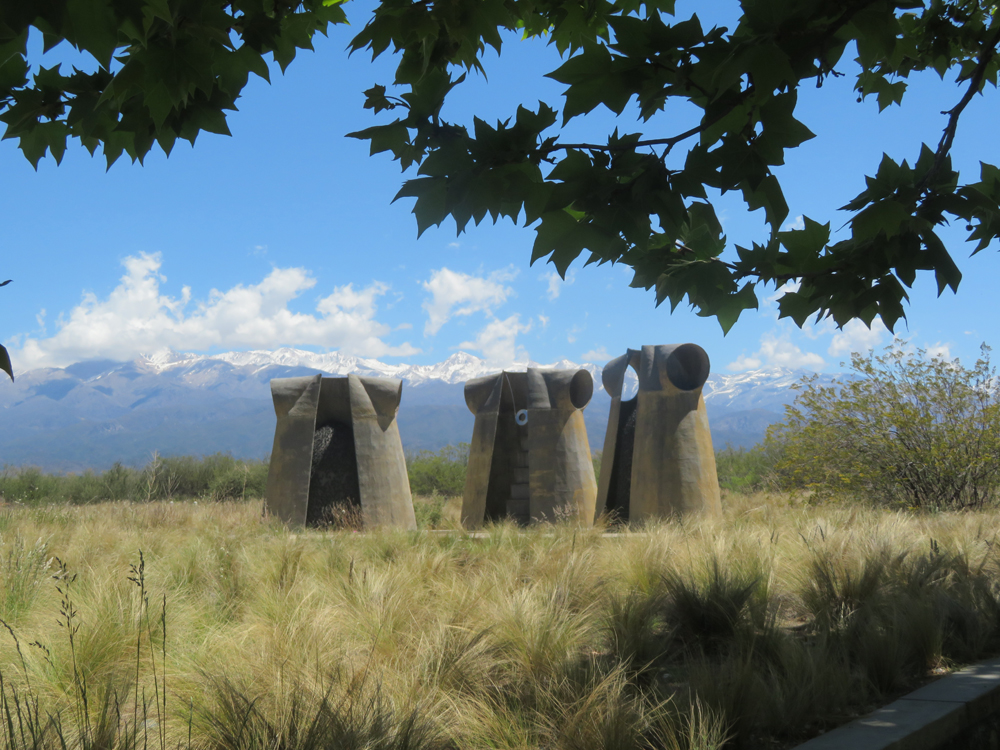
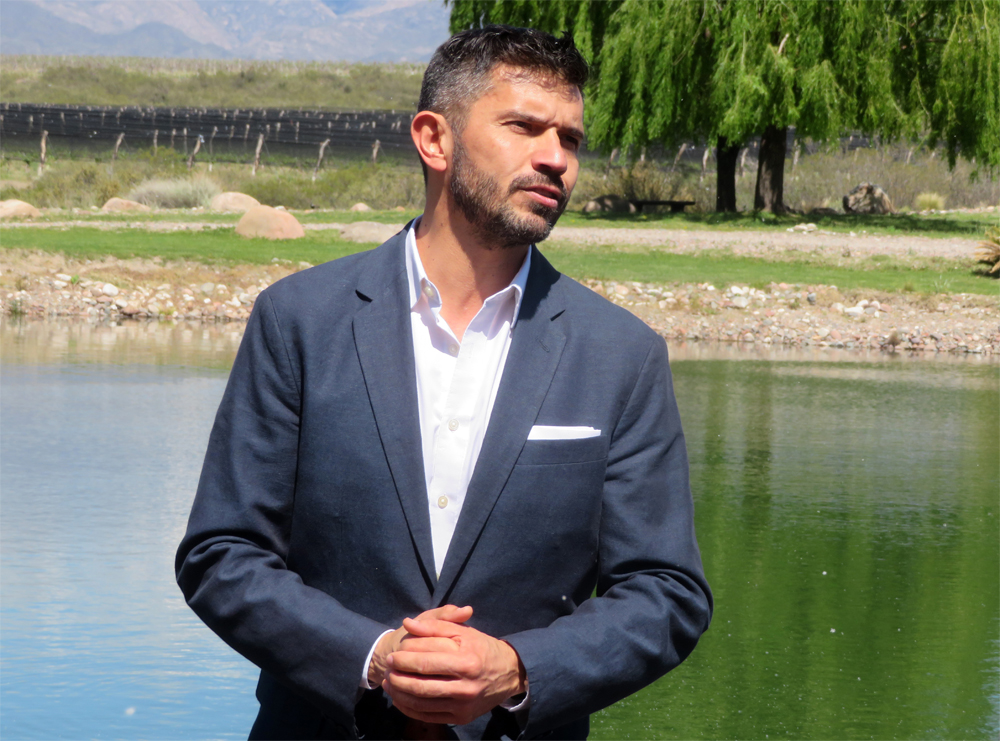
I have long wanted to explore Mendoza, and the beauty of the mountains and vineyards, the commitment and expertise of the wine-growers, the winery architecture, and above all the generosity and expertise of all of our hosts went far beyond any of my expectations. I hope that the slide-show below (in approximate order of visits) captures something of my enthusiasm and excitement. Especial thanks are due to the team at William Reed, and to Dr. Nora Vicario, Minister of Culture and Tourism of the Province of Mendoza, for supporting this event, and for her constant energy and enthusiasm.

It would be invidious to pick out any one wine or winery as being somehow the “best” – they were all so interesting and different! The following, though, are among my lasting memories:

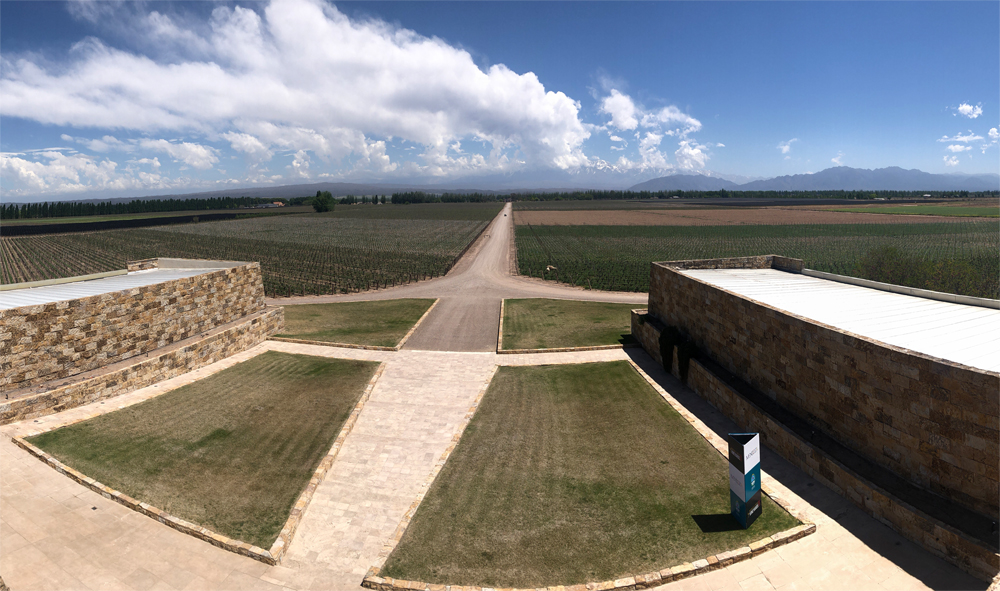
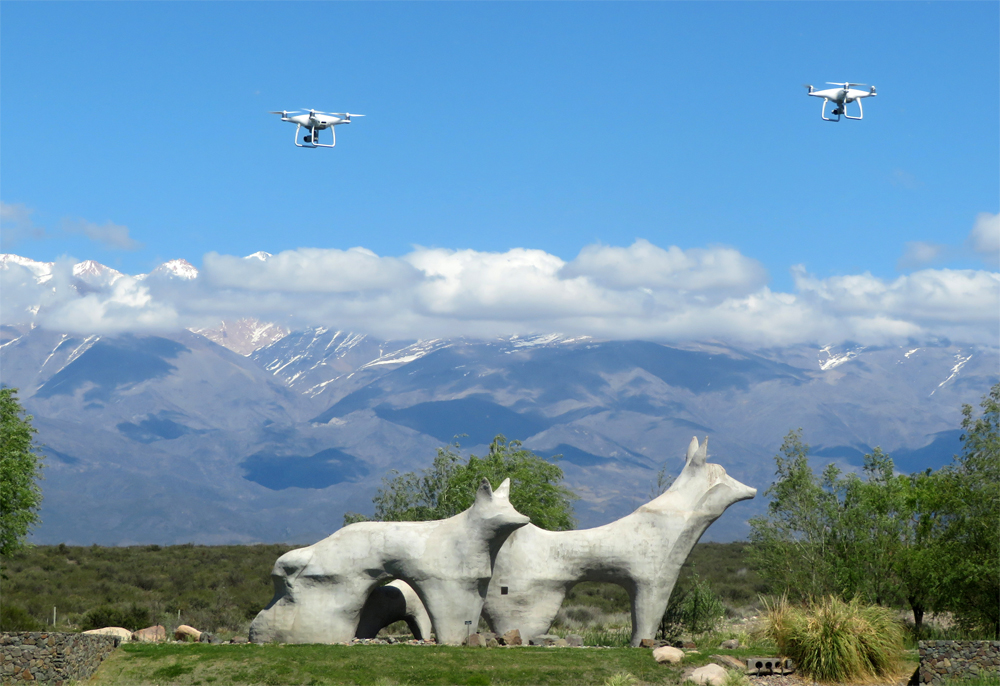
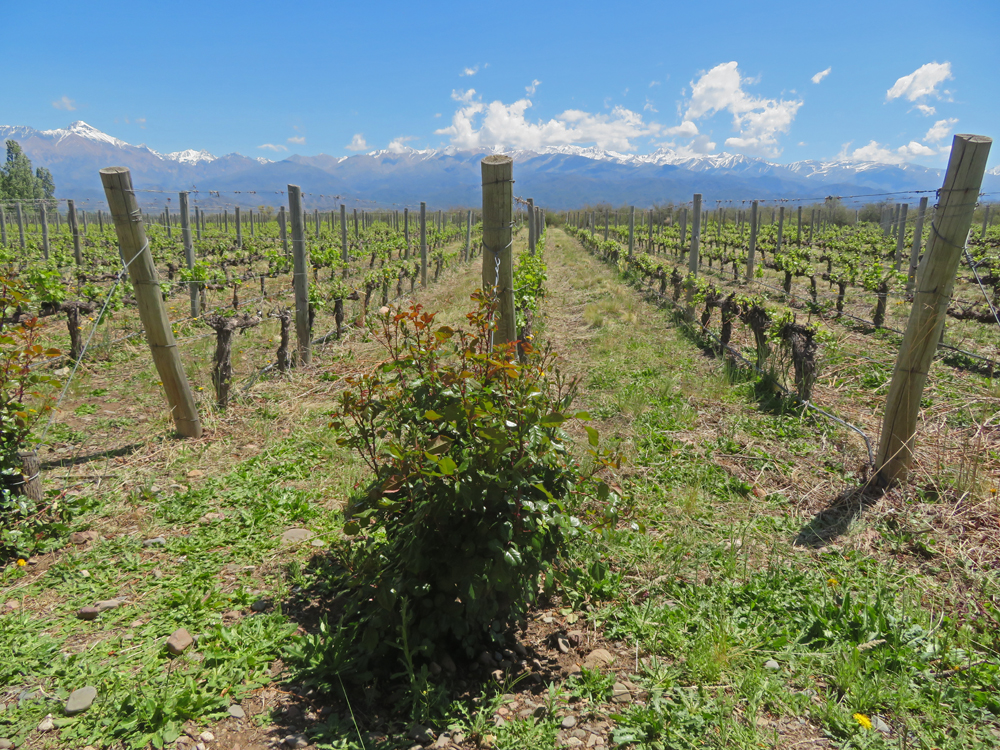
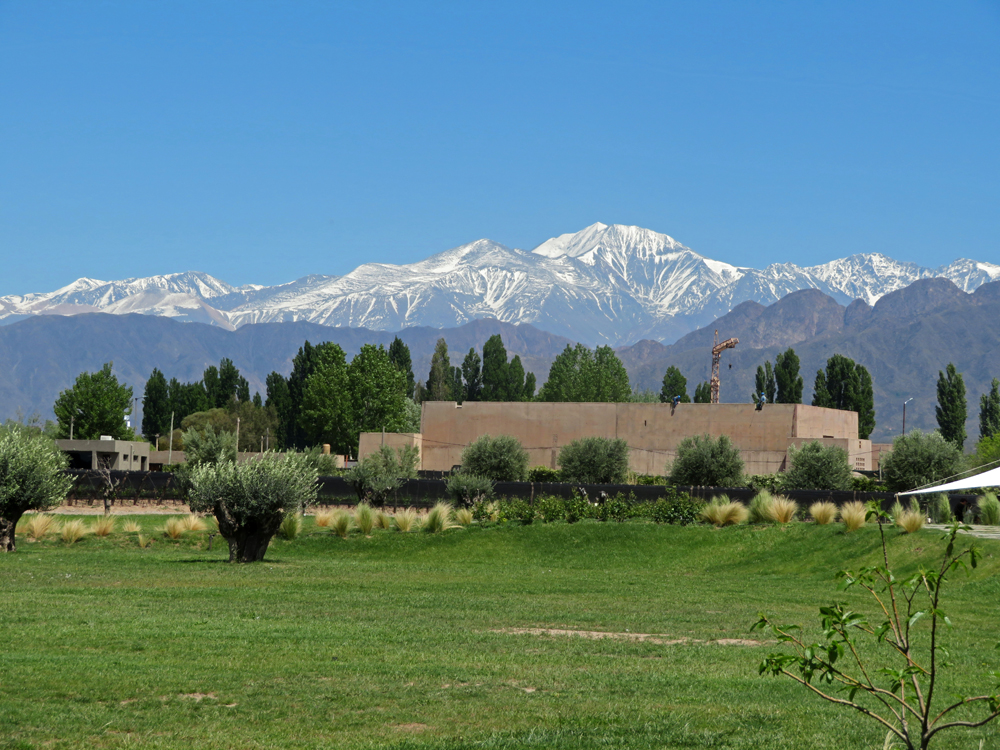
  • The land appears so flat – but terroir matters! Most of the vineyards are laid out for mile upon mile (or kilometre upon kilometre) across the alluvial plain at the foothills of the majestic Andes. However, although appearing very flat it is actually gently sloping, and there are indeed important difference in terroir. These depend particualrly on altitude, but also on soil depth and charactistics (not least depending on the balance between clay, sand, and stones).
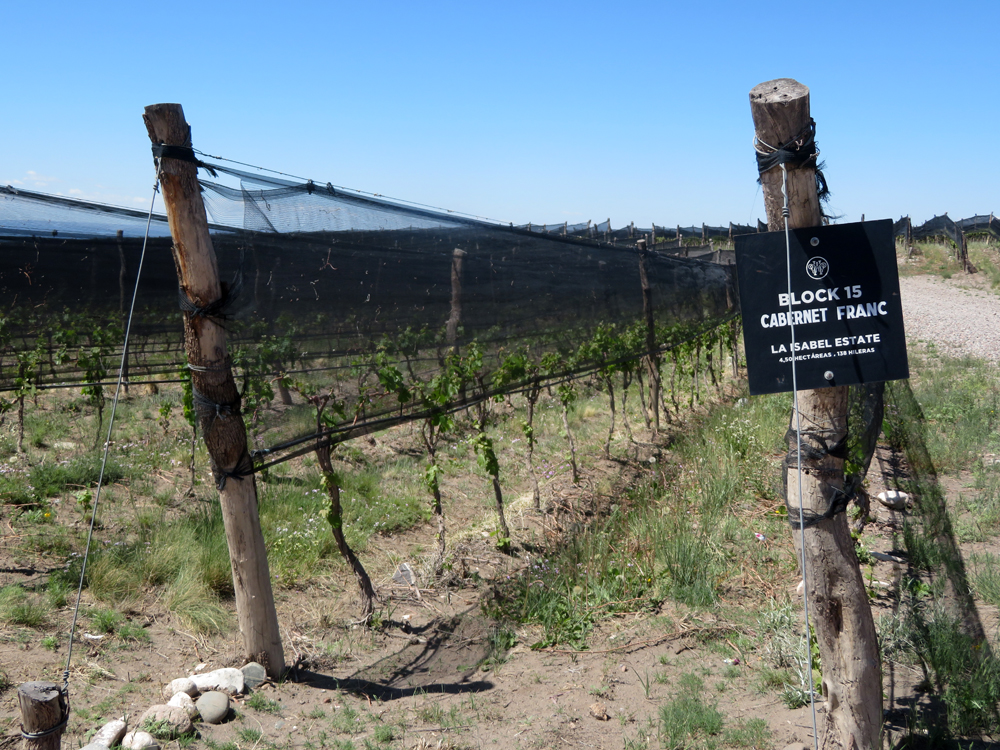
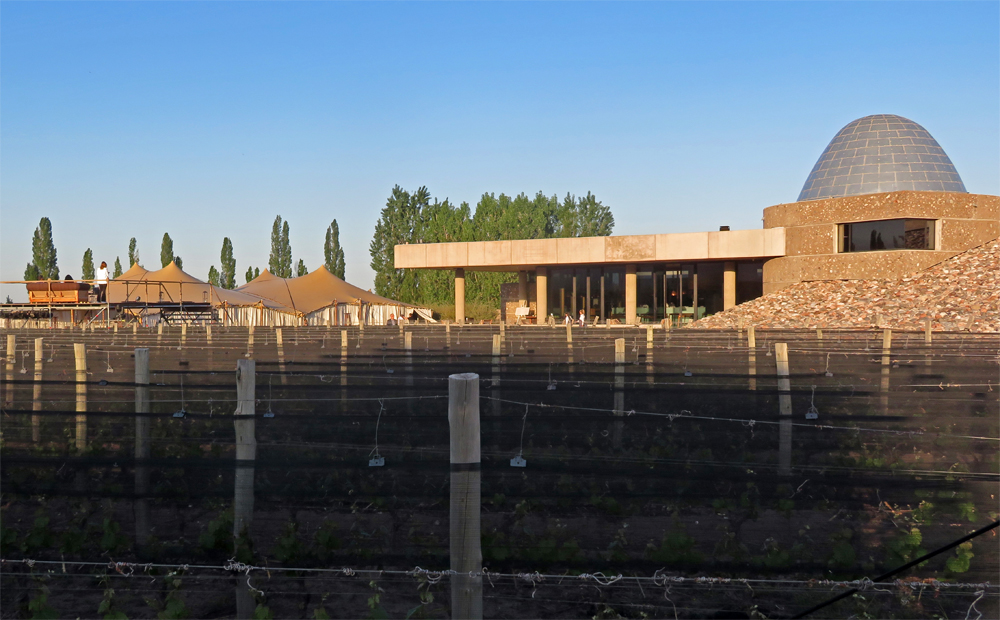
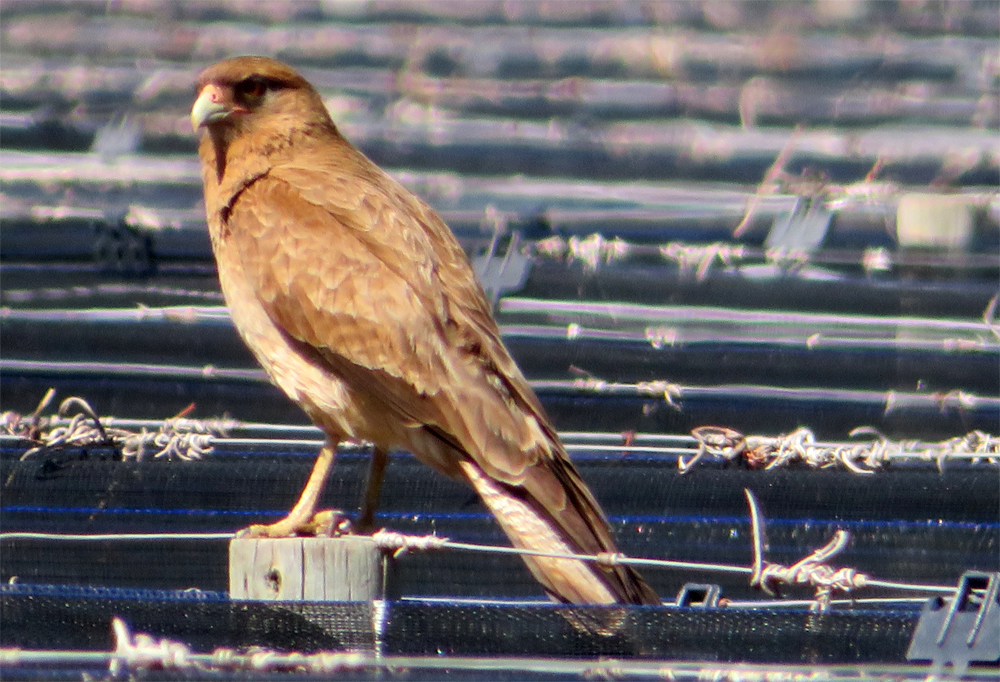
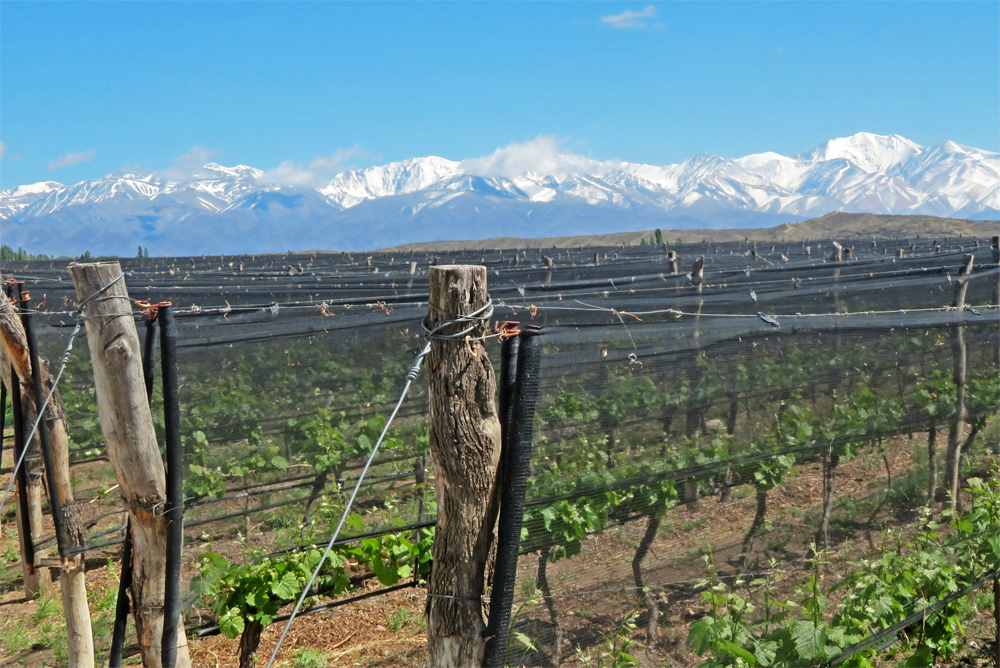
  • The nets. Many vineyards are swathed in black plastic netting (clearly shown in the image at the top of this post) which is particularly intended to protect the young shoots from being harmed by hail, but it also helps shade the vines from the intense sunlight that prevails here. It nevertheless adds significantly to the costs of production.
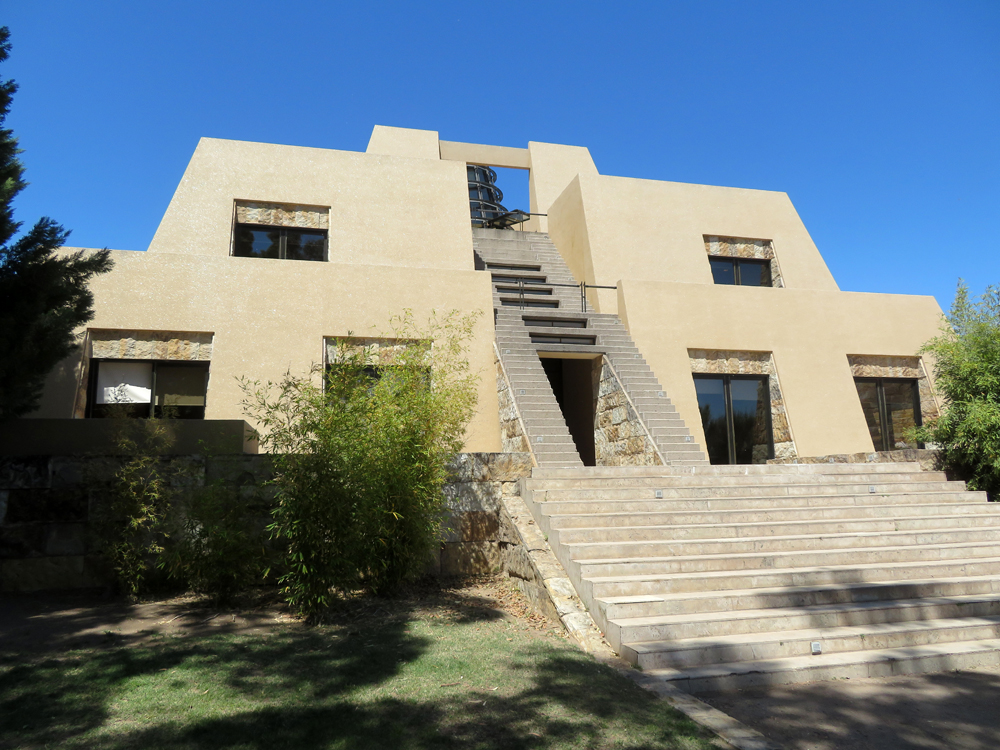
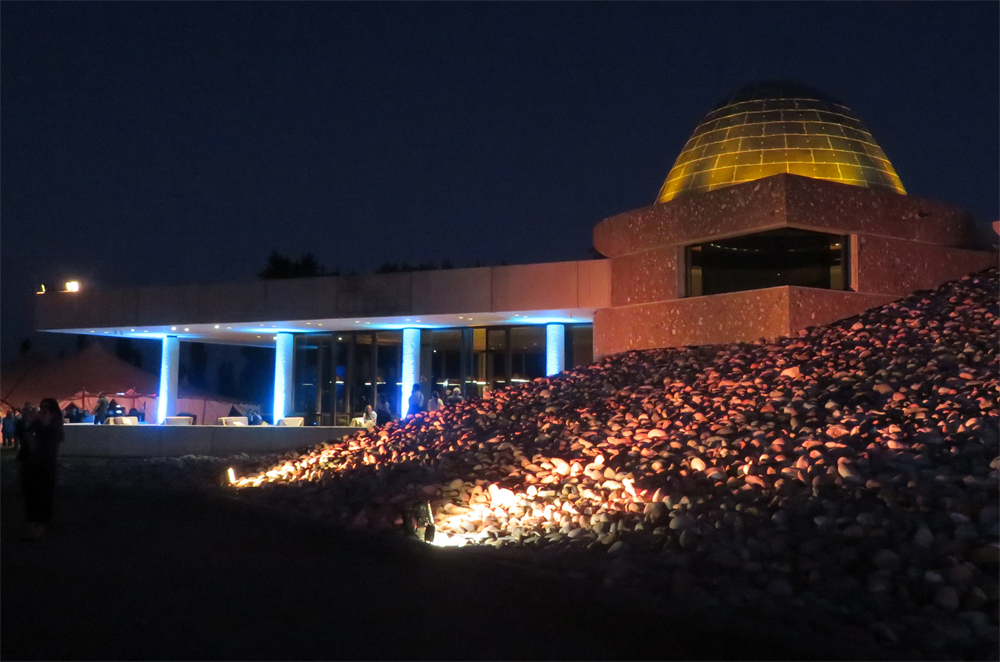
  • The architecture. I don’t think I have ever visited a wine region with such a wealth of recent architectural creativity. The level of financial investment in these wineries, restaurants, and hospitality venues is conspicuously high! While some of this investment comes from external sources and the proft generated from their owners’ other enterprises, I was also told that during the COVID restrictions they continued to have significant income from wine sales at a time when their costs were actually reduced, thus enabling them to invest further in their wineries.
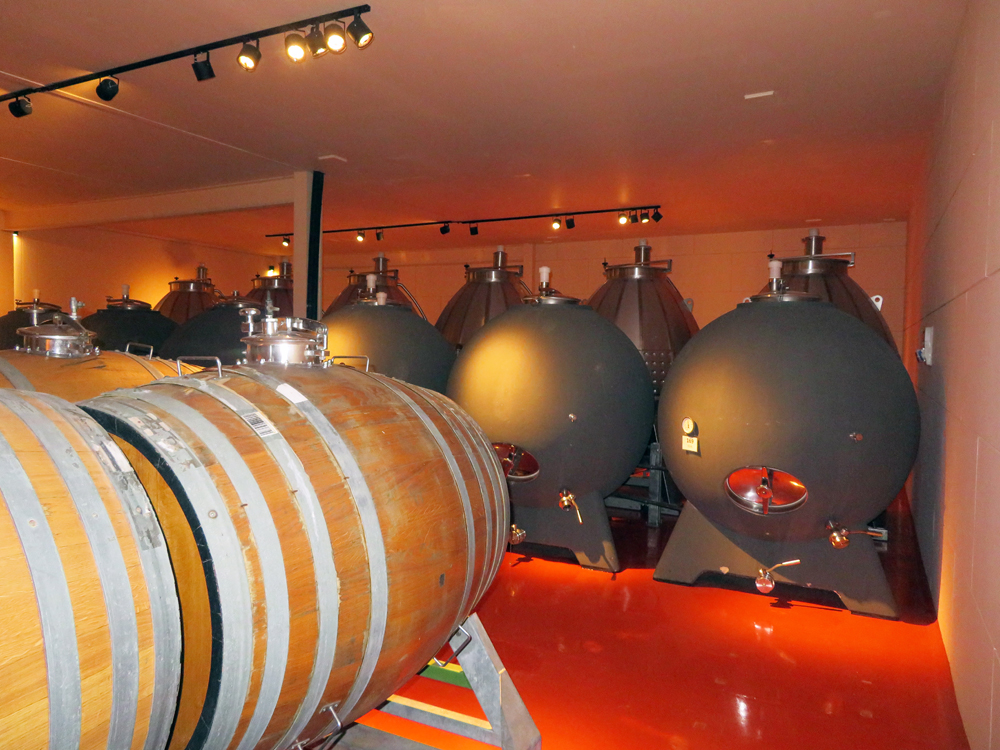
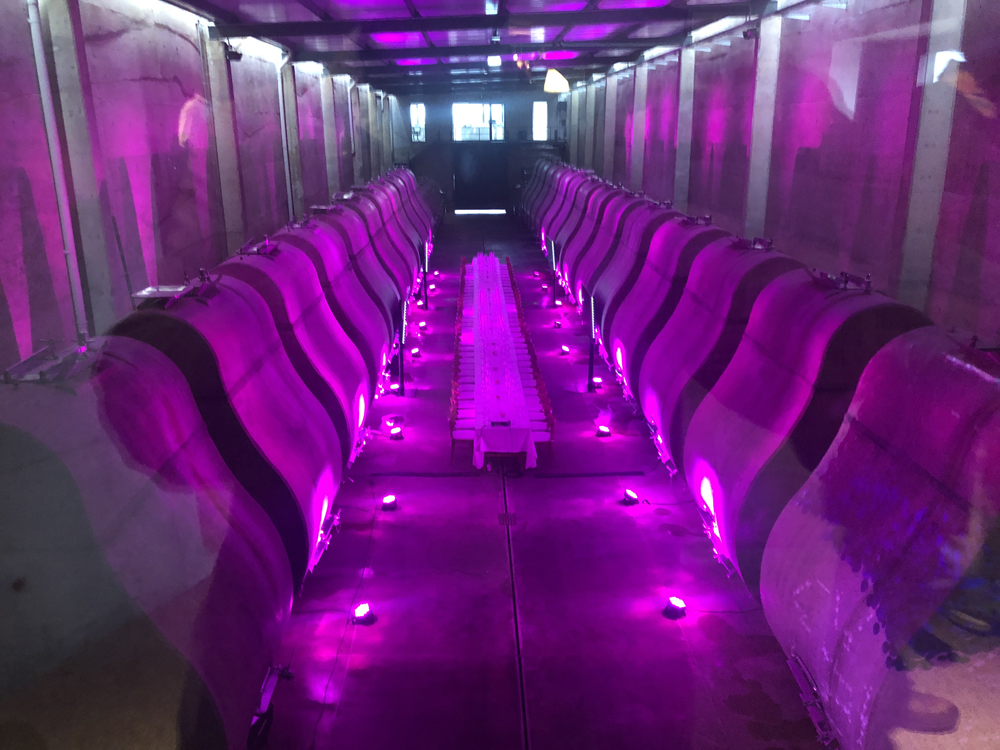
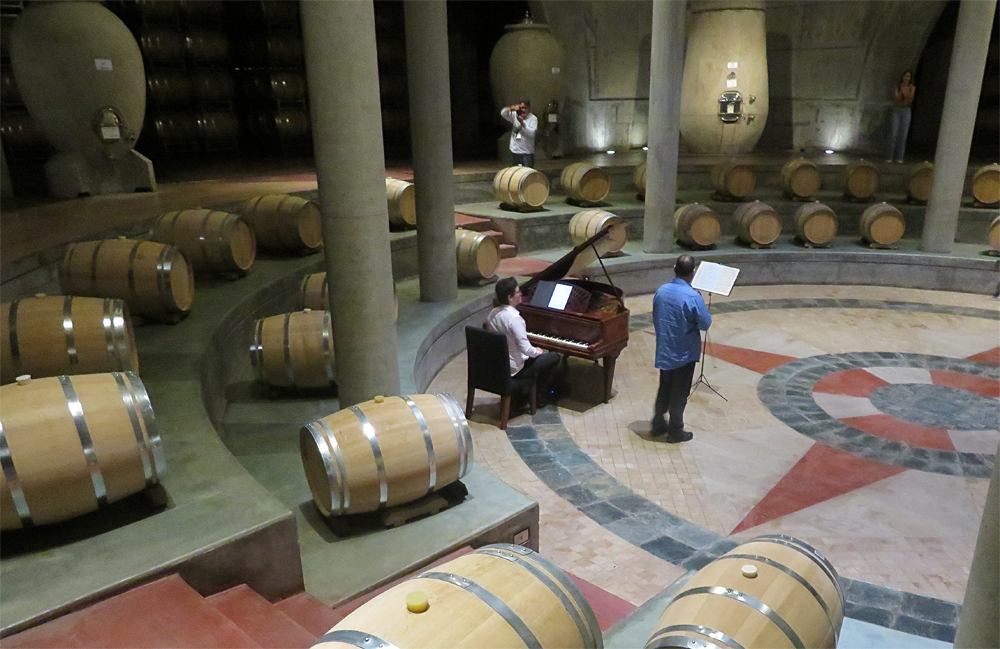
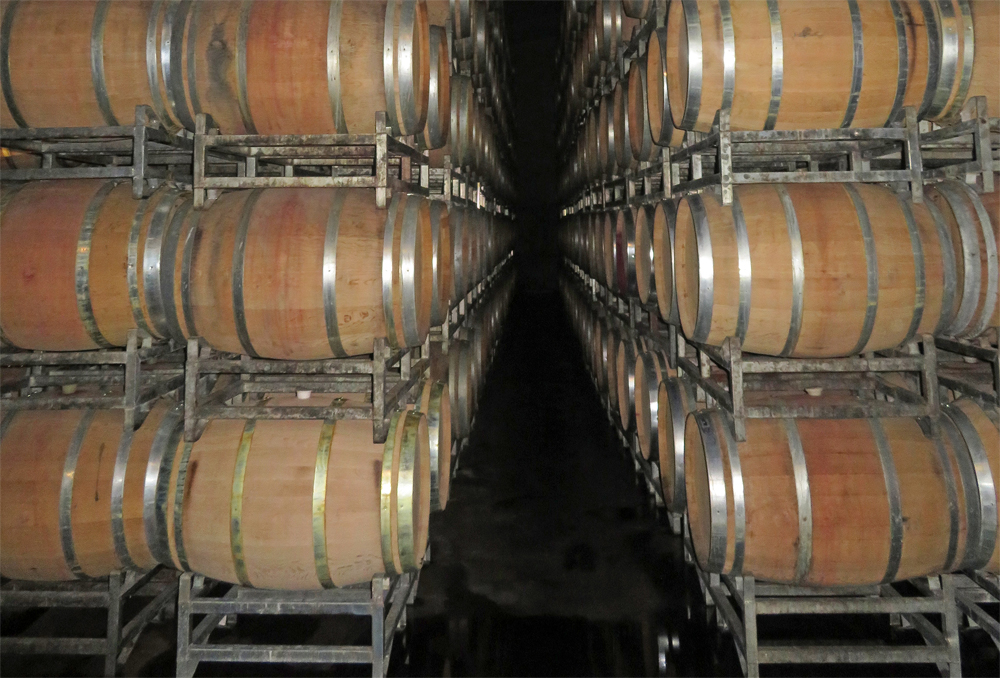
  • Innovations in the wineries – and the music. It was fascinating to see the new wine making equipment and innovations in all of the wineries we visited (very visible in the images above). Egg-shaped and rounded fermentation tanks were very evident, and the novel mate-shaped tanks designed at Anaia have pushed the boundaries of vinification yet further. Concrete was dominant everywhere, but it was also interesting to learn about ongoing various micro-vinification trials. Several wineries nevertheless continue to use oak barrels extensively. It will be several years before the influence of these different methods on the wines produced will be fully understood. It was also fascinating to see how many wineries placed an emphasis on the connections between music and wine – even with tango on top of the concrete tanks at Zuccardi!
  • Irrigation everywhere – almost. The plains below the Andes in this part of Argentina are dry and arid. Almost all of the visible vegetation has thus been planted through the use of extensive irrigation; drip irrigation in the vineyards is ubiquitous. However, on being asked, several of the vitculturalists with whom I spoke mentioned that they are beginning to explore dry farming nearer the Andes mountains where water is more plentiful. The challenge here, though, is the danger of the much colder weather in the higher areas nearer the Andes. I look forward, though, to the results of this experimentation, and suspect that they just might produce even higher quality wines.
  • The wines. I have always enjoyed Malbec (or Cot as it is known in the Loire and Cahors), and recall that years ago we published a fascinating paper in the Journal of Wine Research in 1991 by Angel Gargiuolo that explored how quality and quantity could be combined in Argentina through careful selection of vines and appropriate crossings that would achieve optimal yelds and quality in this environment. Ever since then, I have wanted to visit Mendoza to taste for myself the results of this research (as well as the early work by Nicolás Catena Zapata) that helped to lay the foundations of the modern Mendoza wine industry. The red wines that we tasted (mainly Malbec, Cabernet Franc and Cabernet Sauvignon – although also including less familiar Italian grape varieties and others as well) were almost all of very high quality, with the Malbecs at their best combining real elegance, rich blackberry and plum flavours, and fascinating herbal and spicy overtones. However, I also learnt much more about the different characteristics of the wines made from grapes in the region’s various subdivisions (often reflecting differences in altitiude). I particularly enjoyed, for example, the elegance of the wines from grapes grown in Gualtallary (at up to 1600 m) in the Uco valley, especially the Malbecs and Cabernet Francs (as well as blends between them) – although this might have been in part infleucend by my enjoyment of Malbec (Cot) and Cabernet Franc blends in the Loire Valley the previous week! While it is indeed possible to find very good Malbec on the shelves in UK outlets, it is clearly necessary to visit Mendoza itself to taste the very best!
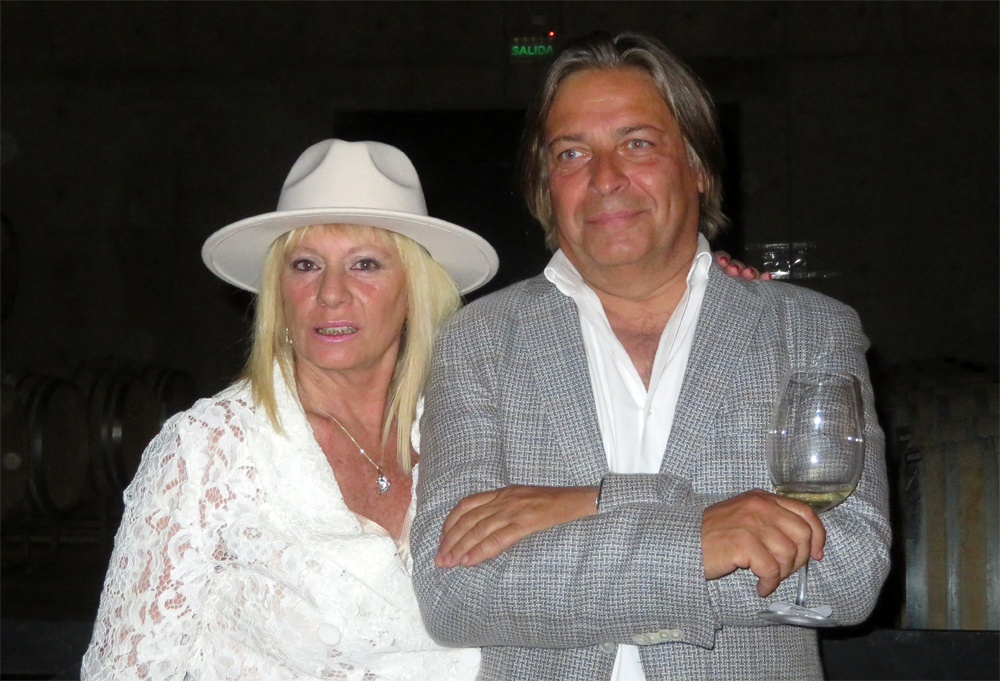
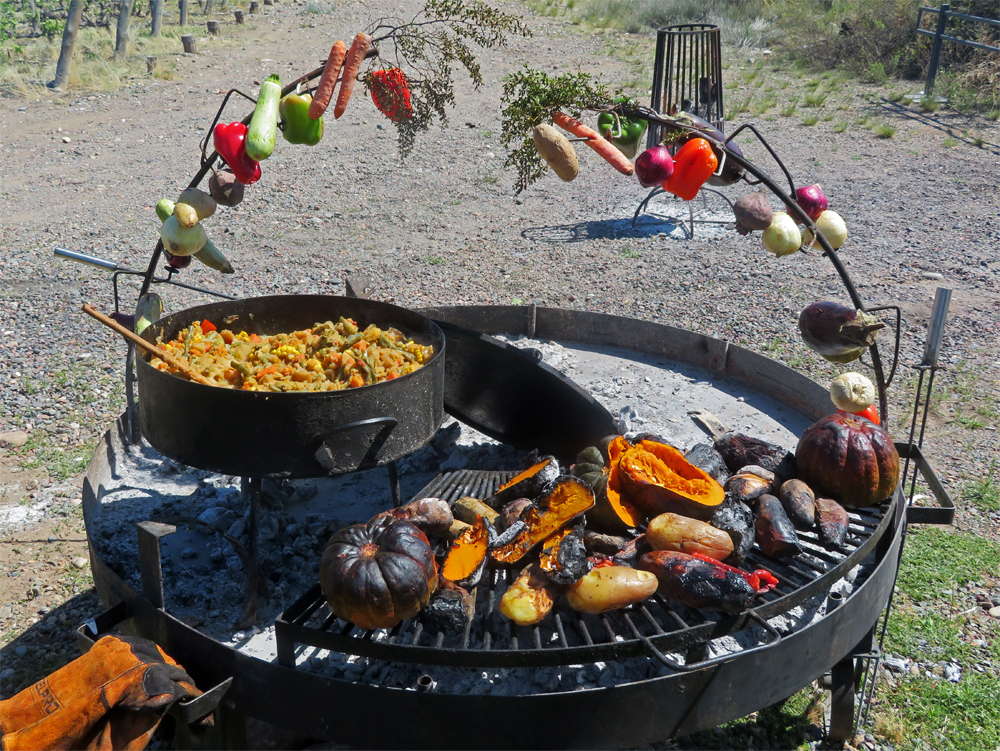
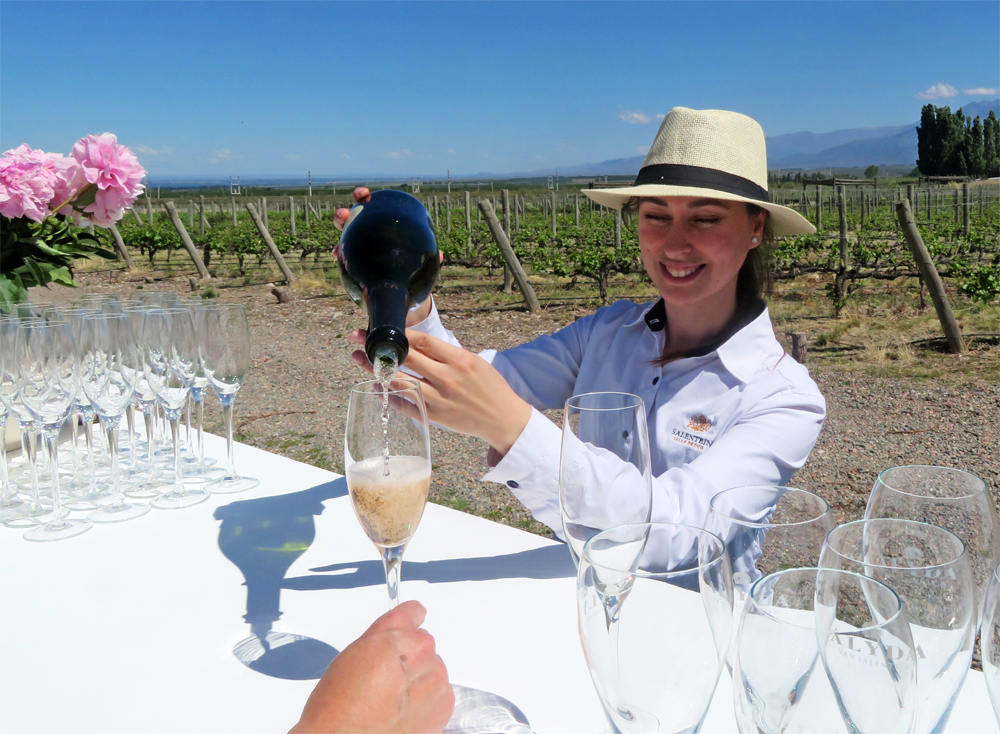
  • The hospitality and culture. I was blown away by the generous hospitality of all our hosts. It was such a privilege to learn from so many hugely experienced and knowledgeable wine-growers, and to taste the complex nuances in their wines. Beyond that, though, the professionalism, knowledge and warmth of welcome from all those who helped show us around was truly impressive – everyone I met, from the chefs and those pouring the wines, to the hospitality staff and the winery owners, went out of their way to help us understand their many cultures of wine. It was very humbling to experience the generous warmth of their welcome.

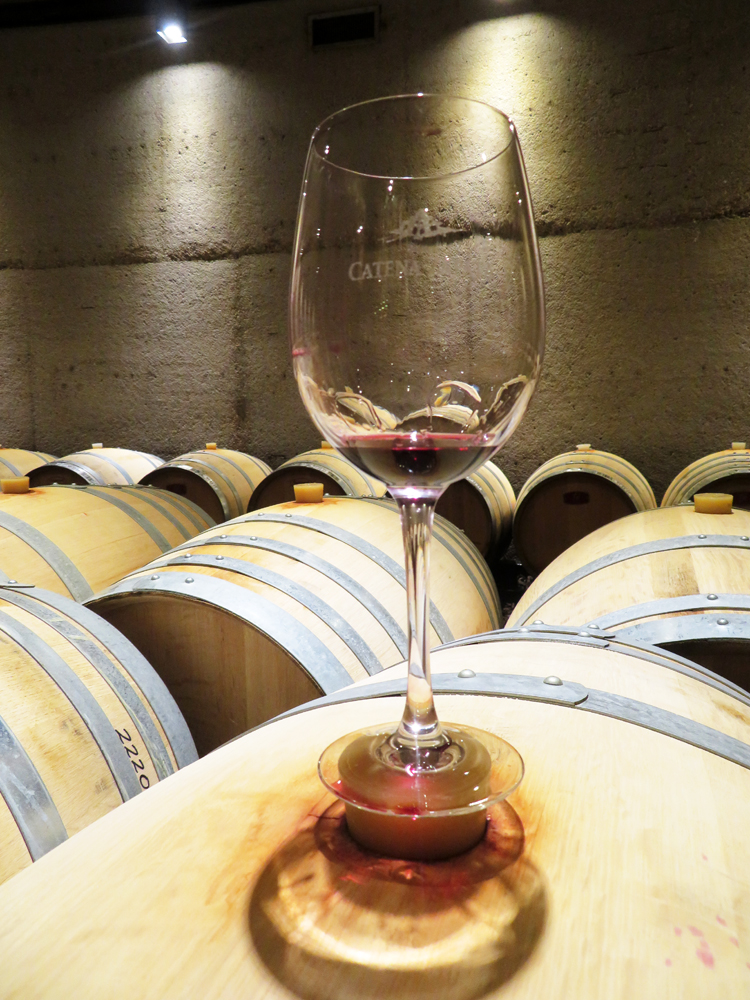
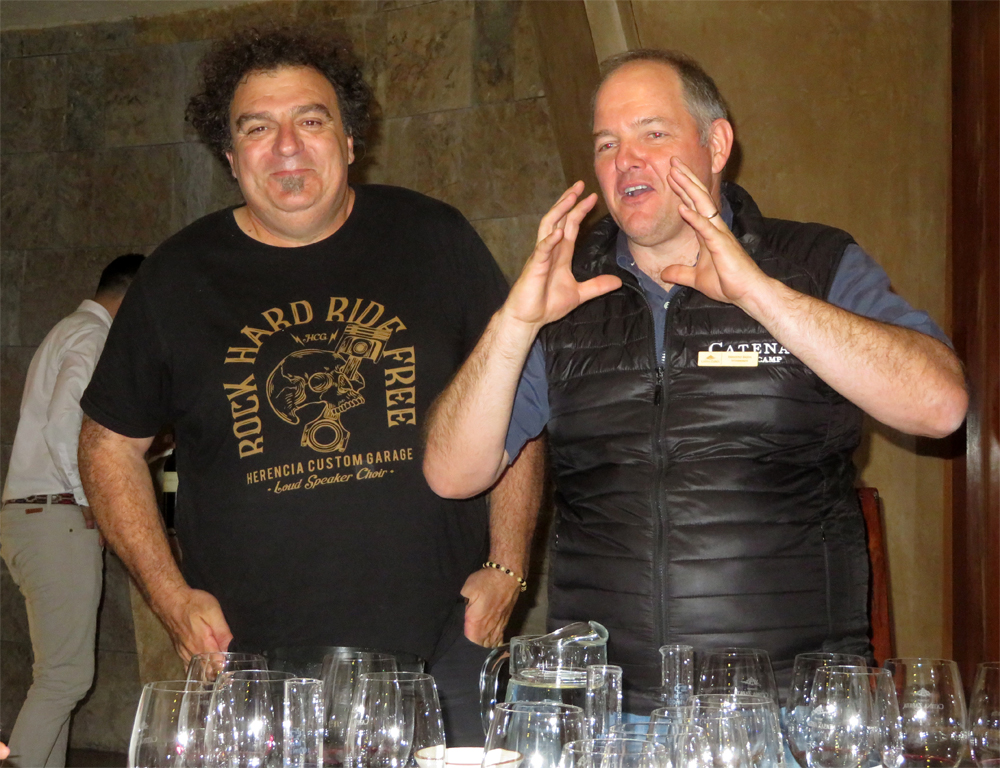
If I had to choose my favourite experience it must have been the opportunity we had at Catena Zapata to make our own blends of wine from different districts – mine was, though, very different from their official blend: yes, you’ve guessed it, I had a much larger proportion of Gualtallary! Thanks so much to Ernesto and Alejandro for guiding us through this (and to Alejandro for his wonderful wines at El Enemigo).

It has been so sad to read recently of the heavy frosts that hit Mendoza the week after we left – very much hoping that the impact will not be as serious as at first it appears.

Thanks again to everyone at William Reed, the Government of Mendoza and all of the wineries that we visited for making this such a memorable journey of discovery

Leave a comment

Filed under Geography, Photographs, Wine

Goodwood Festival of Speed

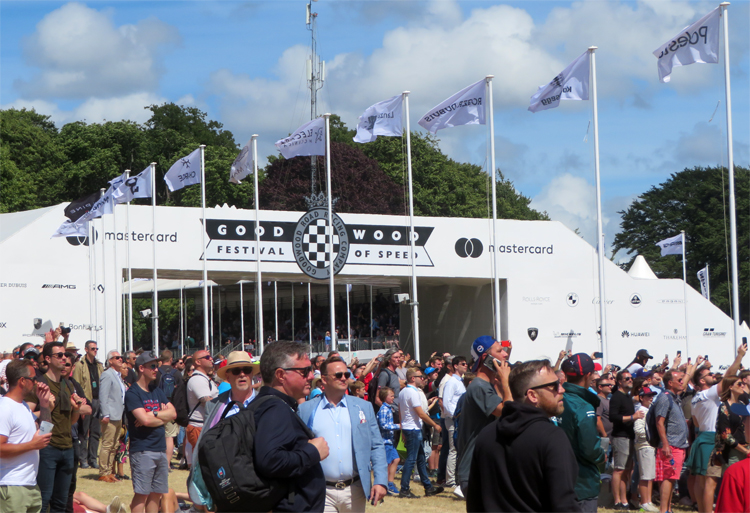
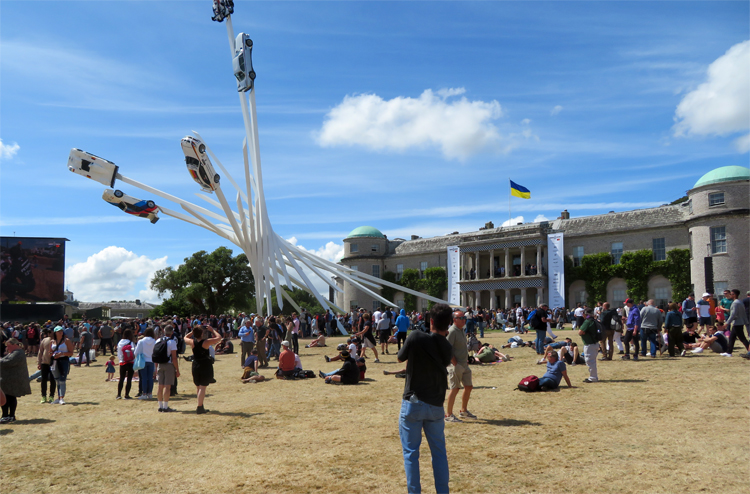
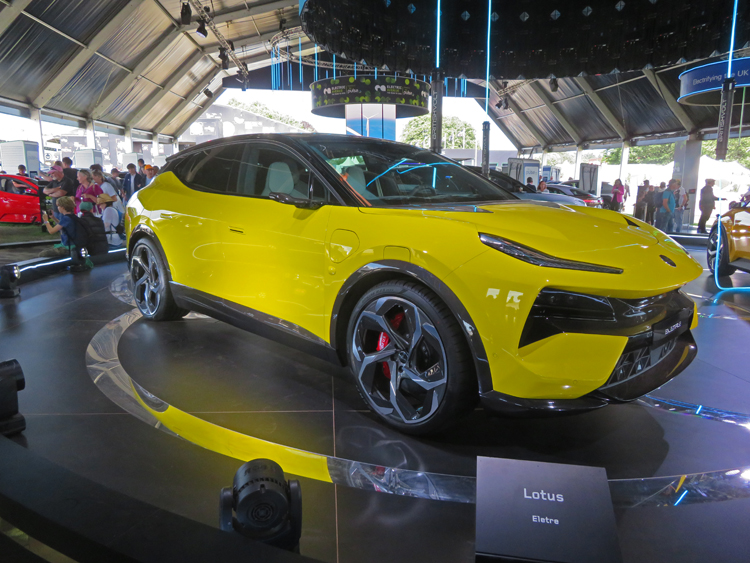
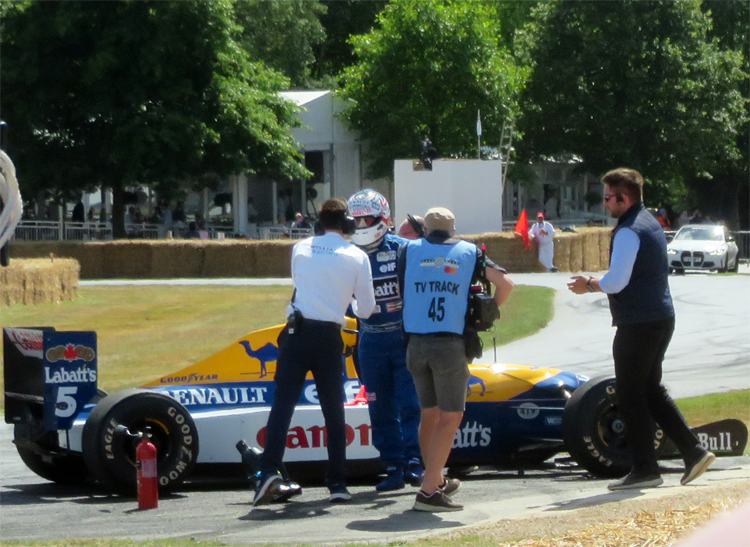
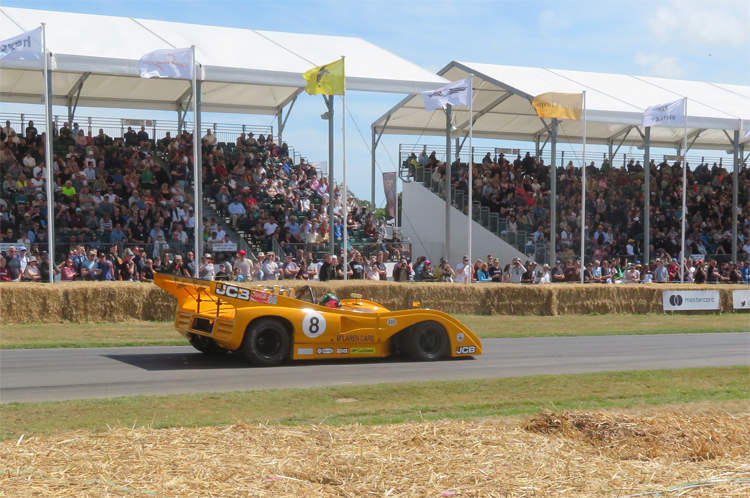
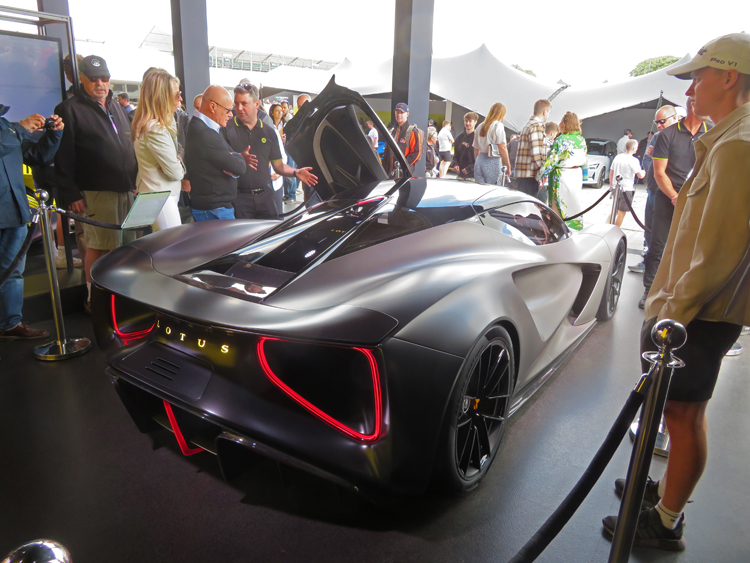
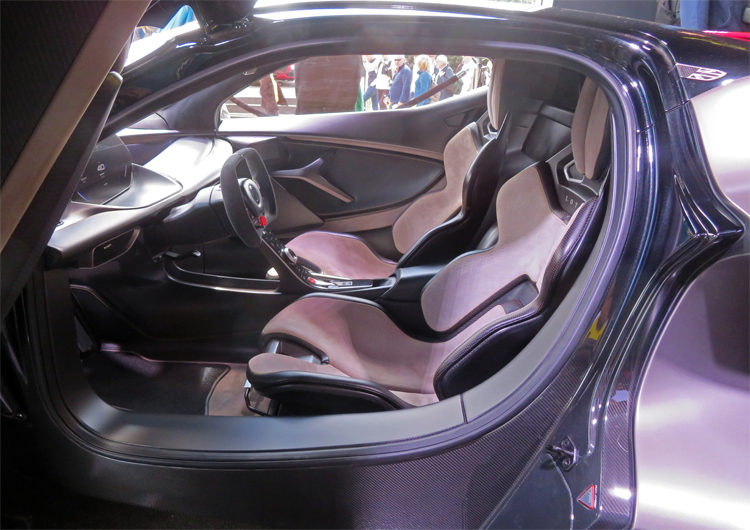
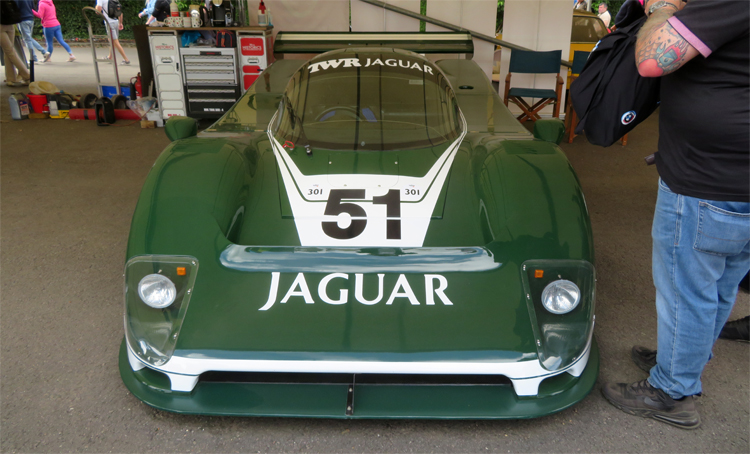
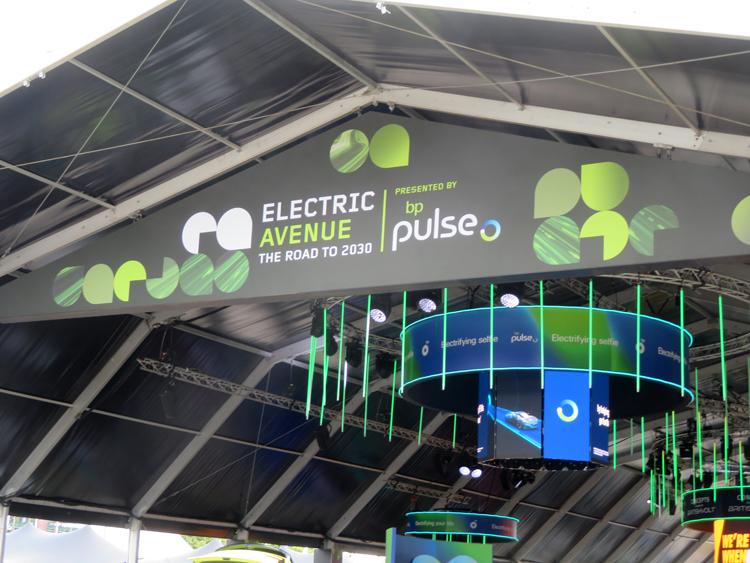
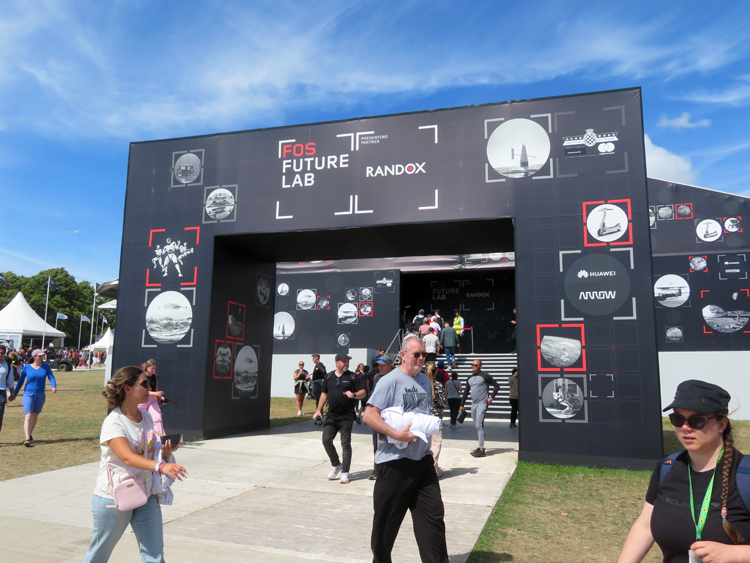
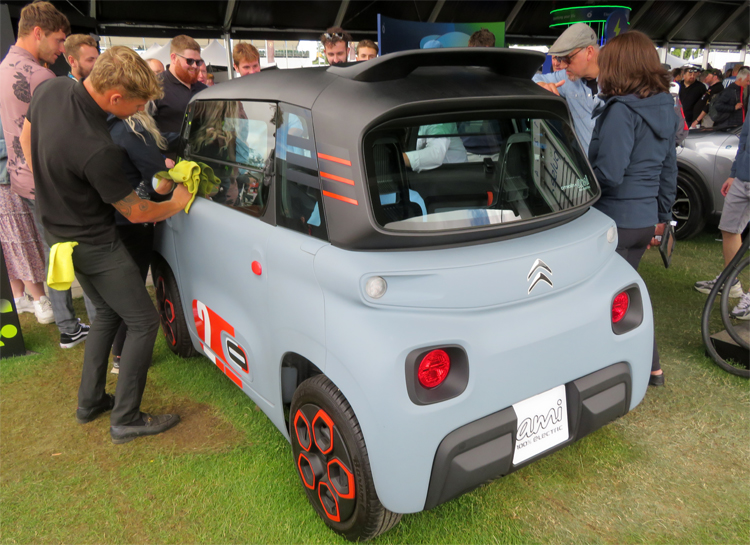
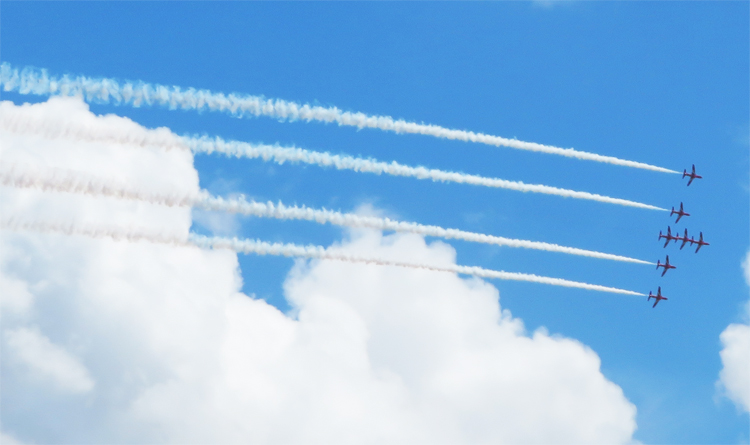
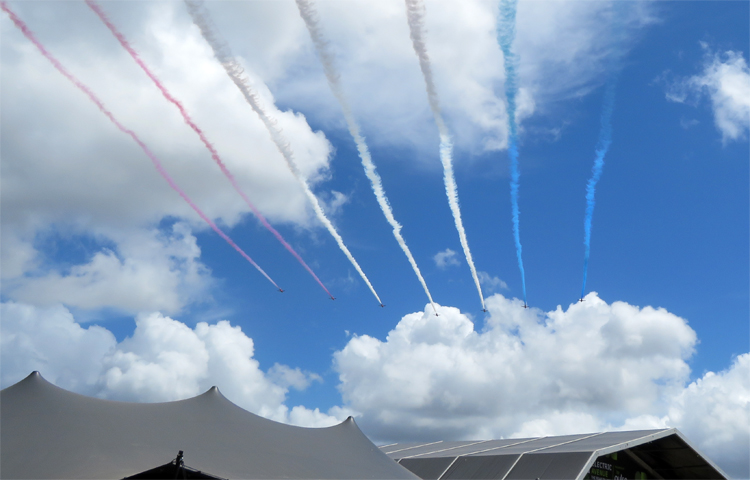
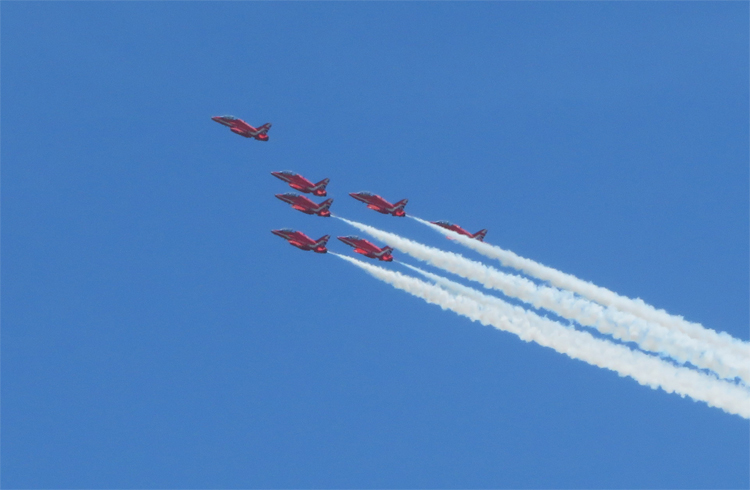
I greatly enjoyed my first adventure to the Goodwood Festival of Speed yesterday, courtesy of a good friend on the Board of Lotus Cars. What an amazing day out! It was vastly more extensive than I had ever imagined, and apart from a rather circuitous (not well sign-posted) route to the parking, everything seemed to be highly efficiently organised. There was generally plenty of space, despite the many thousands of people there, and almost magically one didn’t even really have to queue to cross the bridges! There was so much to see, from the current F1 teams to classic cars, from the wide range of contemporary electric cars to the future of robotics (and even a glimpse of Nigel Mansell reunited with his F1 Title Williams FW14B). I hope that the pictures below capture something of what an enjoyable and fascinating day it was – culminating in an impressive display by the Red Arrows!

Thanks so much again for the Lotus hospitality (including a delicious lunch in good company). It brought back fond memories of regularly having to fix the starter motor in cold and wet weather on my original Ford Escort, and always wanting a Lotus Europa! It was a reminder too of how driving has changed over the last 50 years, with a large slice of sadness that much of the fun has now gone out of driving – at least in the UK. It’s rather good to think that I have been able really to enjoy driving in a world before a future when all cars are made to drive us around. Am I one of the last to believe that autonomous humans are preferable to autonomous cars?

1 Comment

Filed under AI, digital technologies, Energy, Malaysia, Photographs, Transhumanism

Warsaw: lest we forget…

Images on the garden perimeter at the Warsaw Uprising Museum

Images on the garden perimeter at the Warsaw Uprising Museum

Participating in the 12th TIME Economic Forum in Warsaw, especially on a day when the Government prohibited the holding of such large-scale events (because of Covid-19), provided an opportunity to visit and reflect on some of the city’s history, and indeed the history of Poland more generally.  It was a stark reminder of human inhumanity.  It was also, though, an opportunity to appreciate the efforts made in Europe since 1945, and especially through the creation of the European Union, to try to ensure that such almost unbelievable horrors do not happen again in our continent.  We should surely do more not to promote them in other parts of the world.

Katyn

I began by reflecting on the implications of the Katyn Massacre in 1940 when some 22,000 Polish officers and members of the intelligentsia were massacred by the Soviet People’s Commissariat for Internal Affairs (NKVD) at the instigation of Lavrentiy Beria and with Stalin’s approval.  Although Katyn is some 850 kms to the east of Warsaw, I still find it hard to believe that so many countries were complicit in the Soviet denial of this atrocity, even if this was in the broader interests of retaining Soviet support in the war against Nazi Germany.  The elimination of so many leading military and academic figures (including half the Polish officer corps as well as 20 university professors, 300 physicians; several hundred lawyers, engineers, and teachers; and more than 100 writers and journalists) makes the Polish intellectual resurgence in the second half of the 20th century all the more remarkable.  It is hard to think that I first hosted a Polish academic colleague in the UK (Prof Wiesław Maik from the Nicolaus Copernicus University in Toruń) 36 years ago and only 44 years after the massacre.  Then, and in my subsequent meetings with academic colleagues from Poland, I have always been impressed by their rigour and commitment.

The Warsaw Ghetto

Not much remains of the Ghetto in the vibrant modern city of Warsaw with its new high-rise business centre.  But hidden away, almost invisible, tiny traces can be found.  I am grateful to a friend for pointing out where I could find an old gate to the Ghetto at the intersection of Grzybowska and Żelazna streets.

This slideshow requires JavaScript.

The wall surrounding the Warsaw Ghetto began to be constructed in April 1940, and consisted initially of some 307 hectares, but was gradually reduced in size, making life inside ever more miserable.  It is very hard today to envisage the horrors that the Jews living inside had to face.  It was from here that they were deported by the Nazis to concentration camps, with some 254,000 Ghetto residents being sent to Treblinka in the summer of 1942.  By the time it was demolished in May 1943 following the Warsaw Ghetto Uprising, it is estimated that at least 300,000 Jewish inhabitants had been killed, with some 92,000 dying of hunger and related diseases.

The Warsaw Uprising

Nearby the remnants of the Ghetto wall is the museum of the 63 day Warsaw Uprising in August-October 1944 (sadly closed when I tried to visit).  This was the largest uprising by any European resistance group during the 1939-45 war, and was timed to coincide with the retreat of the German army in the face of the Soviet advance.  However, the Soviet Army did not continue its progress, which gave the German army time to regroup, crush the Uprising, and subsequently largely destroy the city of Warsaw.  Despite some support from British and US forces, the uprising was doomed to failure without the continued advance of the Soviet forces.   It has been estimated that 16,000 Polish resistance fighters were killed, with around 6,000 more being badly wounded; somewhere between 150,000 and 200,000 civilians are also estimated to have been killed, mainly in mass executions.  On a sunny day, at the edge of the modern business centre of Warsaw, it is hard to imagine the horrors and violence of what happened.

The destruction and rebirth of the old city of Warsaw

Following the Uprising, the Germans implemented what had been a long-intended plan to destroy the city as part of its Germanization of Central Europe.  They had even drawn up designs (by Hubert Gross) to create a “New German City of Warsaw” as early as 1939.  However, although they must have known in 1944 that they would soon be defeated, and there was then little to be gained from destroying the city, they nevertheless proceeded to raze it to the ground in vengeance for the Uprising.  Between September 1944 and January 1945, some 85-90% of all the buildings in Warsaw were destroyed.  The scale of devastation is only too visible from the many photographs taken following Hitler’s defeat, and can be seen on various plaques in the city following its designation as a UNESCO World Heritage Site in 1980.

With amazing energy, the Polish people set about rebuilding the old city between the late-1940s and the 1970s, and as the imahges below attest it is hard today to believe that everything we see now is less than 80 years old.

This slideshow requires JavaScript.

Seeing the modern city of Warsaw, alongside its ancient heart once again beating strongly, I find it incredibly difficult to comprehend the horrors and violence experienced by the Polish people, especially during the 1939-45 war.  I have always been impressed by the diligence, generosity and energy of the friends I have made from Poland, and those of us in Britain should all be grateful to them for their contribution to our economy in recent years. Being here makes me realise once again the tremendous strides we have made in Europe during my lifetime – one of the longest periods of prolonged peace in the continent’s history.  This owes much to the work of those who sought to rebuild the continent after 1945, and to the activities of the various European institutions that they constructed, not least the European Union.  It makes me even more sad that so many people in Britain chose to follow those of our so-called leaders who for their own selfish interests and political ambitions sought to separate us from the EU in the forlorn hope that Britain might once again be “Great” (alone).  We must never forget the enormous sacrifices made by so many people that we might live in peace.  I for one am grateful to have had this opportunity to be reminded once again of the sacrifices made by the Polish people, and am privileged to have had the chance to express my own thanks by participating in the TIME Economic Forum, which captured so well the economic vibrancy and energy that characterise Poland in the 21st century. Dziękuję…
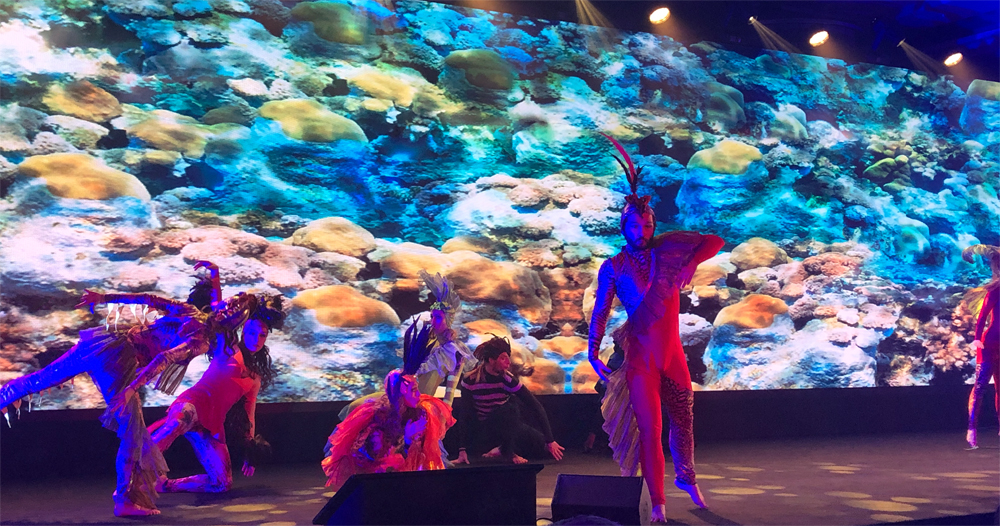
Dance during the TIME gala dinner

Dance during the TIME gala dinner
Leave a comment

Filed under Germany, Inequality, Photographs, Poland, Politics

The Douro and Vila Nova de Gaia in late February: remembering friends

It was wonderful to be back in northern Portugal last week after many years of absence.  The sights, smells, and tastes resurfaced numerous poignant memories.   There have certainly been huge changes, not least the vast network of motorways, and generally increased affluence.  Many of these have been for the better.  However, much also remains the same, and it was wonderful to visit old haunts – even finding one or two places scarcely changed.  It is now only a two-hour drive from Porto up to Pinhão at the heart of the best grape growing areas for port wine, and so on a bright sunny morning we headed up there, swiftly crossing the Minho, climbing up into the Serra do Alvão, and then dropping down from Vila Real towards the Douro river.  I hope that the images below catch something of the very special character of this part of the Douro Valley – and the grapes that are cultivated there.

This slideshow requires JavaScript.

Vila Nova de Gaia, opposite Porto near the mouth of the Douro, has traditionally formed the second integral part of the port trade, providing space for the lodges where the wines are matured.  The blue skies turned to clouds, mist and rain the next day, but this did not detract from the pleasure of revisting lodges (where port is matured) that I had first explored some 40 years ago.  The narrow streets winding down the hill through the lodges to the river below hadn’t changed, but the corporate structure of the “trade” certainly has, with once proudly independent family firms now being integrated into a small handful of larger companies.

This slideshow requires JavaScript.

The ghosts of close friends, many no longer with us, haunt these familiar locations.  They were so hospitable to generations of geography students (and staff!) from Durham University and Royal Holloway, University of London, with whom they shared their experiences of the port trade – as well as their wonderful wines both in the Douro and down at Vila Nova de Gaia.  Thanks are especially due to Bruce Guimaraens and John Burnett – from whom I learnt so much – and are sadly no longer with us.  But walking back past Quinta da Foz and the Cálem lodges also reminds me of many great times with Maria da Assunção Street Cálem learning from her about the business of port from a Portuguese perspective – and being challenged about the role of academics undertaking research in other countries.

Port is one of the world’s great wines, but remains sadly unfashionable today.  It is time for more of us to continue to sing its praises – from the freshness of dry white port, or the nuttiness and subtlety of a fine 20 year old tawny, to the unique character of great vintage ports!

port

Leave a comment

Filed under Photographs, Portugal, Wine

Setting sun over Brandenburg

A recent visit to an old friend living near Müncheberg in the Land of Brandenburg on a glorious late autumn day provided a wonderful opportunity to experience the special landscape and wide open skyscape of this part of Germany.  The quickly fading light rendered the leafless silver birch trees a rich red colour, contrasting beautifully with the green sown fields alongside.  The sun setting behind a hemispherical tree in the distance also provided a wonderful silhouette against the vast sky beyond.  The pictures below hopefully capture something of this fascinating part of Germany, with its contrasts between wide open fields and dense areas of woodland.

This slideshow requires JavaScript.

I couldn’t resist adding one image from earlier in the day: a field filled with a vast flock of migratory geese!

Leave a comment

Filed under Germany, Photographs, Rural

Barbarians 31 – Fiji 33, Killik Cup 2019

It was great to watch such a free-flowing and open game of rugby at Twickenham yesterday (16th November 2019).  The referee Tom Foley rarely had to stop the game, and when he did both teams chose to kick for touch and further possession when they were awarded penalties, which added to the entertainment.    Having been behind 17-33, the Barbarians fought back to within two points at the end, making it a very exciting finish.  The handling was impressive, and despite the cold the crowd of 51,213 left invigorated by a most enjoyable afternoon!  I hope that the pictures below capture something of the entertainment and excitement.

This slideshow requires JavaScript.

For match reports see:

Leave a comment

Filed under Photographs, Rugby

Marching for a “People’s Vote”, 19th October 2019

Panorama

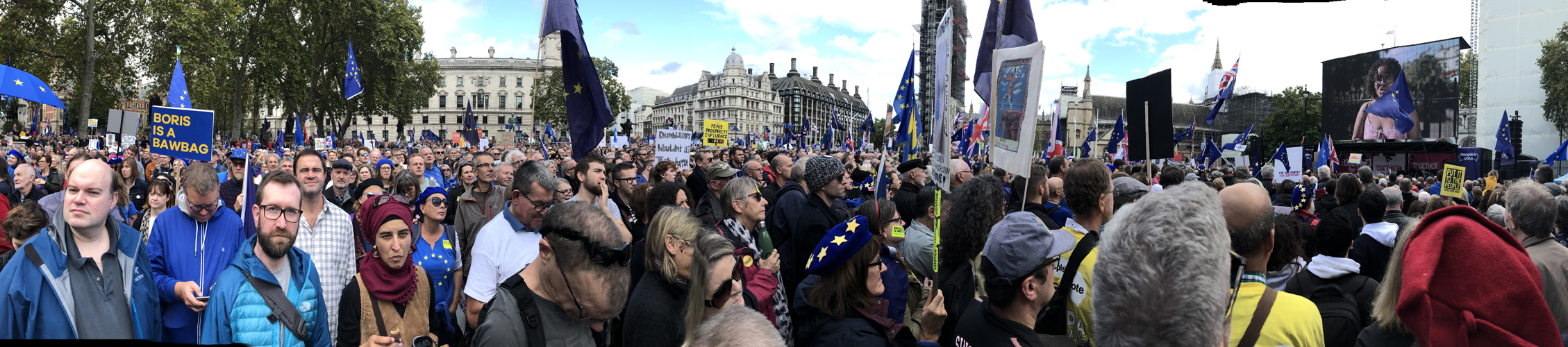
Today is the first day that Parliament has sat on a Saturday since 1982, and only the fourth time it has done so since the end of World War II.   The gathering had been called to discuss Prime Minister Johnson’s new Brexit deal with the EU.  It was also the day chosen for the latest People’s Vote march.  It is estimated that around a million people joined the march which wound its way from Hyde Park Corner to Parliament Square,
Central London was brought to a complete standstill, but despite the much larger police presence than previously, it was generally good humoured and festive.  Marchers came from all corners of the UK and beyond; they were young and old; men and women; people from all different background, religions and colours; in wheelchairs and on their feet…  They carried a wide array of amusing, clever, and sometimes challenging posters and banners.  The atmosphere was full of trepidation; Parliament was set to accept the deal.  The day started brightly.  England had thrashed Australia at the Rugby Union World Cup in Japan, and the sun was shining brightly over London.  As the afternoon progressed, though, the clouds began rolling in. After hours of discussions, Members of Parliament (MPs) were voting on the so-called Letwin Amendment, which would withhold approval of the deal, until it had been fully discussed by Parliament and the legislation passed to enact it.  This would have the effect of triggering the “Benn Act” which would force the Prime Minister to request a further postponement of Brexit until 31 January.  The rain started in Parliament Square, and the big screen revealed the tellers coming back into Parliament.  Everyone held their breath, hoping that the ayes would have it.  And so it was, by 220 votes to 206, a majority of 16.  The square erupted in cheers.  Prime Minister Johnson’s rotten deal, widely seen as being worse for the UK than that brokered by his predecessor May, had been delayed, if only for a while.
I hope that the pictures below capture something of the diversity and passion of those marching for a people’s vote, most of whom wish to remain in the EU.  It was a wonderful example of democracy still being alive and well in the UK.

This slideshow requires JavaScript.

I have often been a critic of many of our MPs, and their failure to serve our citizens, but the quality of speeches by MPs and others from the platform today was of very high quality: passionate, committed, eloquent, accurate, and above all advocating the democratic principles that lie at the heart of our country.  It was a very special, indeed an inspirational, day.

See also my reflections on the People’s March on 20th October 2018.

[In most instance where I photographed an individual close up so that they are easily recognisable, I specifically asked if I could share the picture on social media and permission was readily granted.  It was impossible, though, to ask everyone in crowd scenes.  Where possible, I tried to take photos primarily of people’s backs, but again this was not always feasible.  Should anyone wish me to remove an image please let me know and I will do so.  I do hope that none of these images cause anyone concern]

Leave a comment

Filed under Brexit, Photographs, Politics

Nairobi National Park

After several weeks “on the road”, a free morning in Nairobi provided a wonderful opportunity to spend some hours with friends visiting Nairobi National Park.  It is many years since I was last there, and people have said that building encroachment as well as the new railway and roads are increasingly affecting the lives of the wildlife.  However, following two days with rain and an early start, we were very fortunate to have a sunny morning during which we saw a wealth of animals and birds.  I very much hope that the images below capture some of the beauty and richness of Kenya’s wildlife.

This slideshow requires JavaScript.

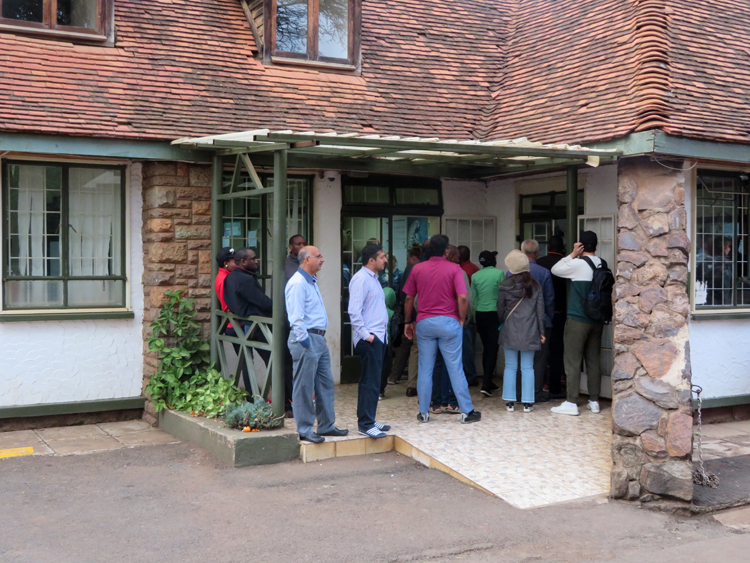
VQueueistors should, though, be warned that passports/identity cards are needed to enter, and that payment (currently US$43 per foreign visitor) is required by card rather than cash.  It was amusing to reflect that the introduction of digital payment means has led to lengthy queues; although it may have reduced fraud, it has certainly lengthened the time it takes visitors to enter the park!
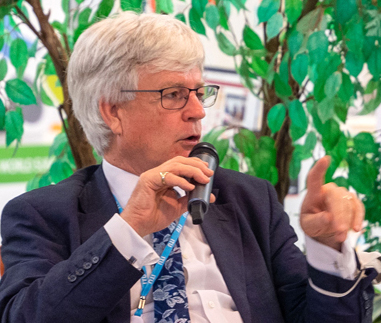
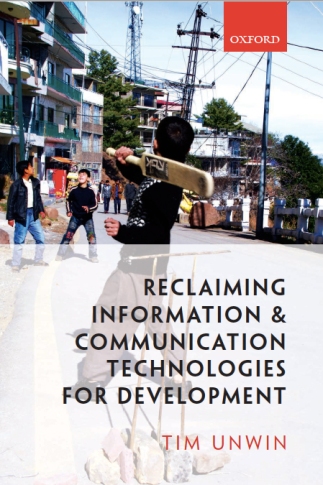
Many thanks to Pauline who collected us from the hotel, and our driver John who did a great job in locating the animals!

1 Comment

Filed under Africa, Photographs, Uncategorized, Wildlife