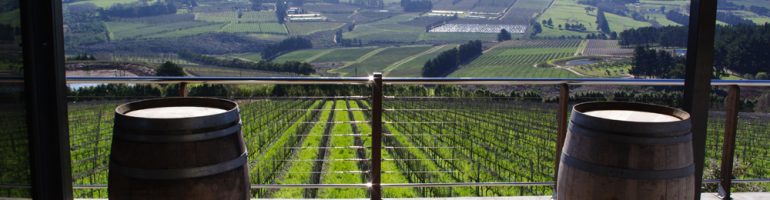
The Geography Department at Royal Holloway, University of London, is hosting an alumni event focusing on the 1980s to be held on 16th July. As one of the last ‘surviving’ members of staff to have worked at Bedford College, I was asked by Klaus Dodds to write a few words about my recollections, so that they could be included on a poster in the Department. Just thought that it might be interesting also to post them here, together with some imagery from 20-30 years ago!
“ The Department 30 years ago was so much smaller than today – fewer staff, fewer undergraduates, and fewer postgraduates. It was a world largely without computers. No e-mails! One could think, and write, and teach students who were genuinely interested in learning. It was brilliant!
I distinctly remember being appointed, and joining in 1981. There were but a handful of jobs advertised in human geography that year. I had been interviewed for a job at Exeter, but couldn’t hear properly what the panel chair was mumbling! Needless to say I did not get that job! My girlfriend was working in London, while I was still living in Durham and working at the Geography Department there. Then this job came up at Bedford – amazingly the College where my mother had studied mathematics many years previously! I remember being asked at the interview what it would mean for my personal life if I got the job, and responding that of course it would mean that Pam and I could get married. Imagine being asked such a thing in interviews today!
 I was appointed to teach historical geography – and loved it! I diligently used to write out my lecture notes in full – and read them to my students!! Scarcely something that new lecturers would do now, in a world of PowerPoint! But I did use slides on the old projector. I was very little older than the students were, and they forgave me for my nervousness. I think my enthusiasm must have made up for a lot – medieval taxation documents, field systems, and prehistoric monuments!
One highlight was when the new electronic typewriter with a memory arrived; the precursor for word processors and personal computers. One day, I was using it when the Departmental Secretary came in and threw me off, saying that she had something important to write. Suppressing my fury, I left the dark room where it lived, and hit the wall outside with my fist. My hand crumpled…. I then spent all afternoon running “The Green Revolution Game” with my students; my hand bent in pain. Only in the early evening did I go to St Thomas’s – and of course they diagnosed a broken hand!
Then there were the great students doing the Master’s course in Third World development. The course was led by Alan Mountjoy, and attracted bright people from all over the world – some of my favourite teaching ever; if only I was still in touch with some of them – particularly the Egyptian journalist who gave me a photograph of Jürgen Habermas.
And there was the IRA bombing in 1982. I heard the first blast in Hyde Park whilst I was working at the RGS, and then got back to Bedford to see the debris remaining from the other blast that had taken place at the bandstand just nearby in Regent’s Park. A sad day.
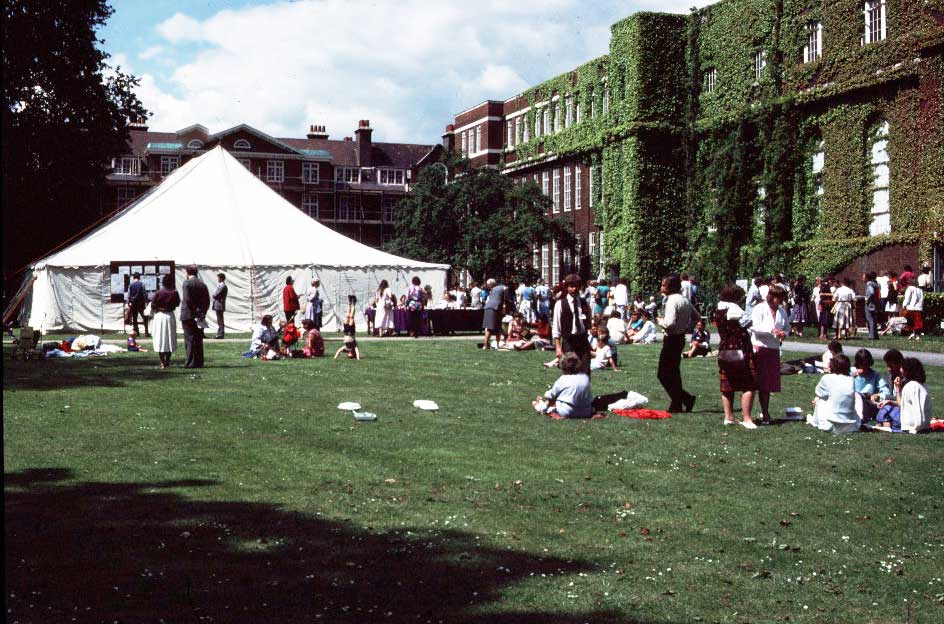 But the early 1980s was the time of mergers across London. I became deeply involved in planning for the merger with King’s, and remember being saddened when it was announced that this had fallen through. Going to Egham did, though, have one advantage in that we did not have to negotiate with another Geography Department already there; we could instead build our own identity from within. On a personal level, we also decided to move from our rented flat in Kennington out to a newly built house in Englefield Green, on the Larksfield estate. I remember this being a huge risk, since I had not been made permanent and we bought before it had definitely been confirmed that the merger would go through.
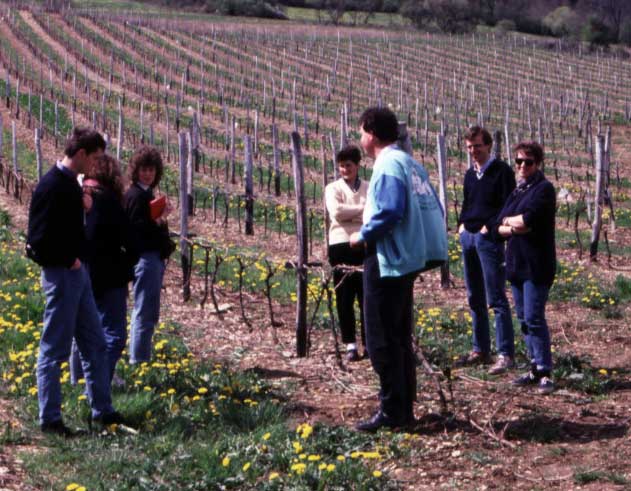 The move meant that we could reorganise our courses, and I recall working with Chris Green and others on a new teaching structure that would mean that our third year courses would become much more research oriented and also applied. This provided the opportunity for me to launch my new course on the historical geography of viticulture and the wine trade. At first, this was rejected by the University Geography board as being far too esoteric – but I resubmitted it again pointing out that if there was a course at SOAS on the geography of oil, surely we could teach about viticulture and wine. After all, the wine trade has been in existence for millennia. This course also provided an opportunity to work more closely with those in the wine trade, and highlights definitely included the wine tastings and the field trips to Burgundy and Champagne. Imagine being allowed today to ‘race’ in minibuses across France from vineyard to vineyard and campsite to campsite. How generous were the winemakers who shared their time and their wines with us!!
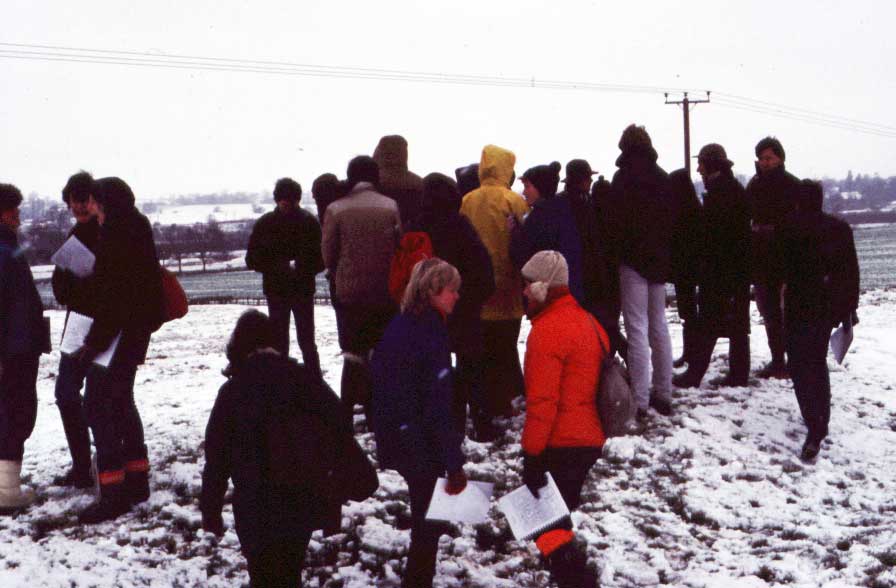 But I recall other field trips too: the day excursions to Northamptonshire and Bedfordshire for my second year students, exploring field systems and deserted medieval villages, more often than not in the snow; and then the second year trip to Portugal, again with generous hospitality from friends in the port wine trade.
There were great characters in the Department: Ron Halfhide, who became Departmental Superintendent, and was always the life and soul of the party, helping to arrange wonderful Geographical Society events; David Hilling, the ‘uncle’ figure, who cared for students (and rugby) in ways that we are no longer permitted to do; John Thornes, who as Head of Department told me that I should really make myself the specialist in one area of the discipline, such as the geography of Portugal. John certainly taught me some lessons! On his recommendation, I drafted two chapters of ‘the’ book on Portugal, and sent them to a publisher. The academic referees liked them, but the publisher said that there was no market for a book on agricultural innovation in Portugal. Never again have I written anything for a book publisher without a contract!
Above all, I remember those days as ones of amazing freedom – when we could craft new knowledge in the innocent ways we believed were right, when we could treat students as friends and not numbers, when collegiality rather than individual selfish career progression mattered. They were good times”.

 Tim Unwin's Blog