Tag Archives: Awards

The World’s Best Vineyards Awards 2024 – and an exploration of wineries and vineyards in south-east England

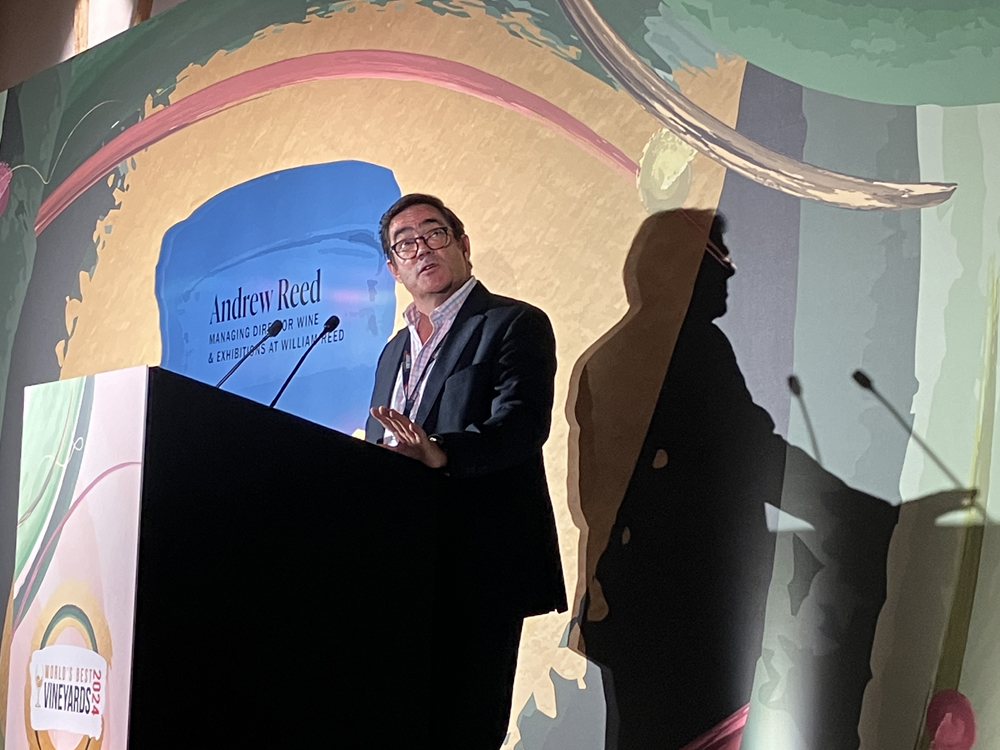
Much of my research and teaching earlier in my career was related to wine, but from the late 1990s the realisation that, while wine can do much to make us happy, being directly involved in the enormous changes taking place as a result of the design, production and use of digital technologies was something that could actually make the world a better place. I greatly value the opportunities that I have had over the last 25 years to engage directly in that field, but as I increasingly realise that digital tech is now beng used to do more harm than good, I value even more the opportunities that I have had to re-engage more actively with wine. I am therefore especially grateful to have been asked at the start of this decade to serve as the UK and Ireland Academy Chair for the World’s Best Vineyards Awards, initiated by William Reed Ltd. Each year, more than 500 panellists from across the world vote for their favourite wine tourism experiences, and these are then collated into lists of the top 50, and the next 51-100 award winners. Although selecting the UK and Ireland panel, and ensuring that all panellists do indeed vote is very much more diffficult and exhausting than you would imagine, the team at William Reed has brought together an amazing group of people associated with the awards, and alongside the award winners we have become a wonderful group of friends, committed to enhancing the visibility and success of wine tourism, which makes all the effort worthwhile. This owes much to Andrew Reed’s (MD Wine and Exhibitions) personal charm, hard work and commitment to perfection, as well as the enthusiasm of the team he has brought together to make the awards the success that they have become.

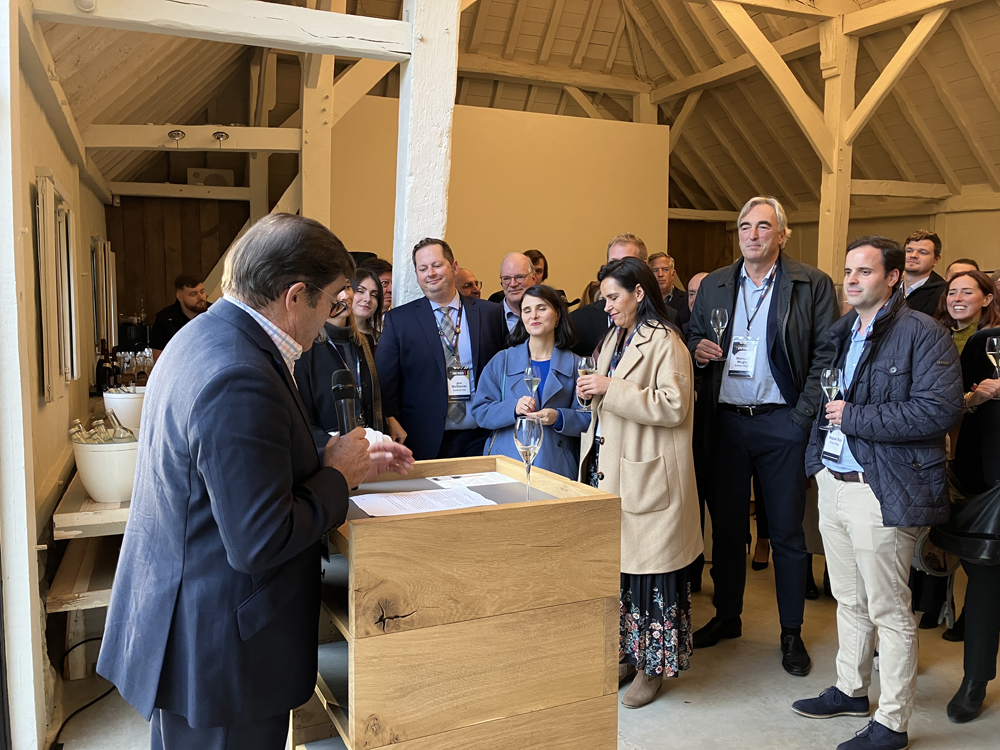
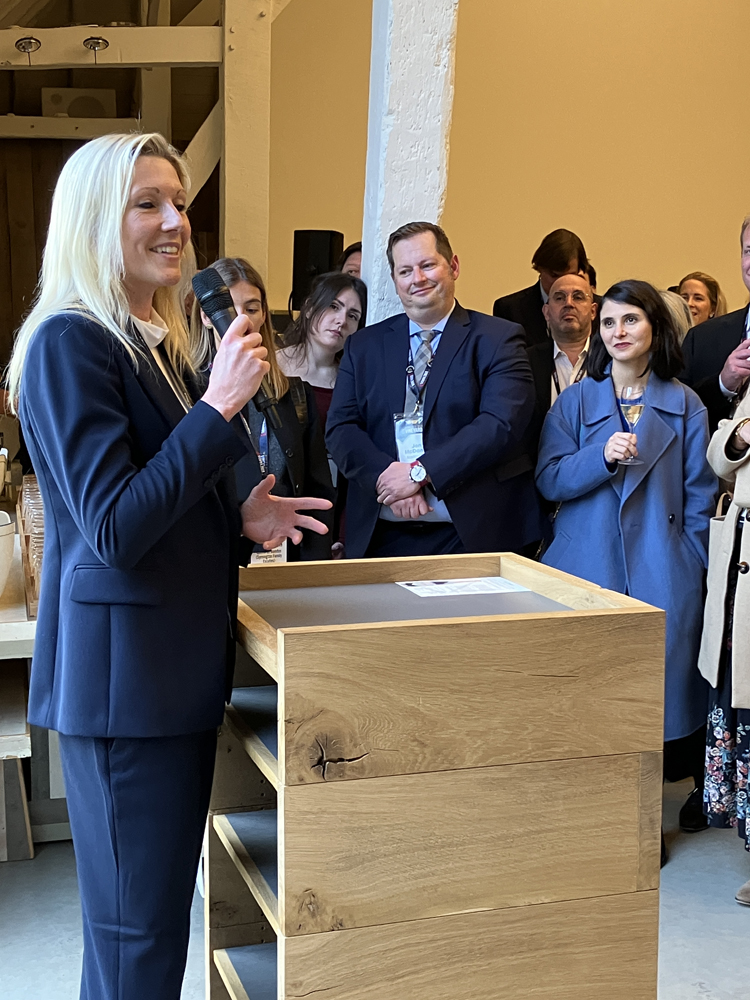
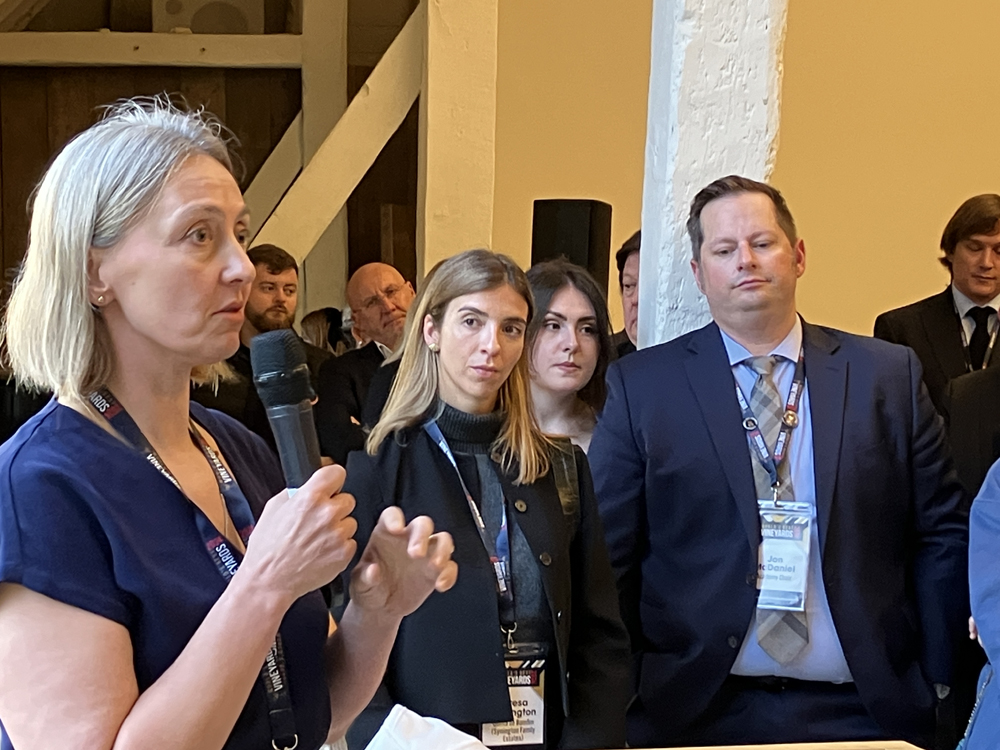
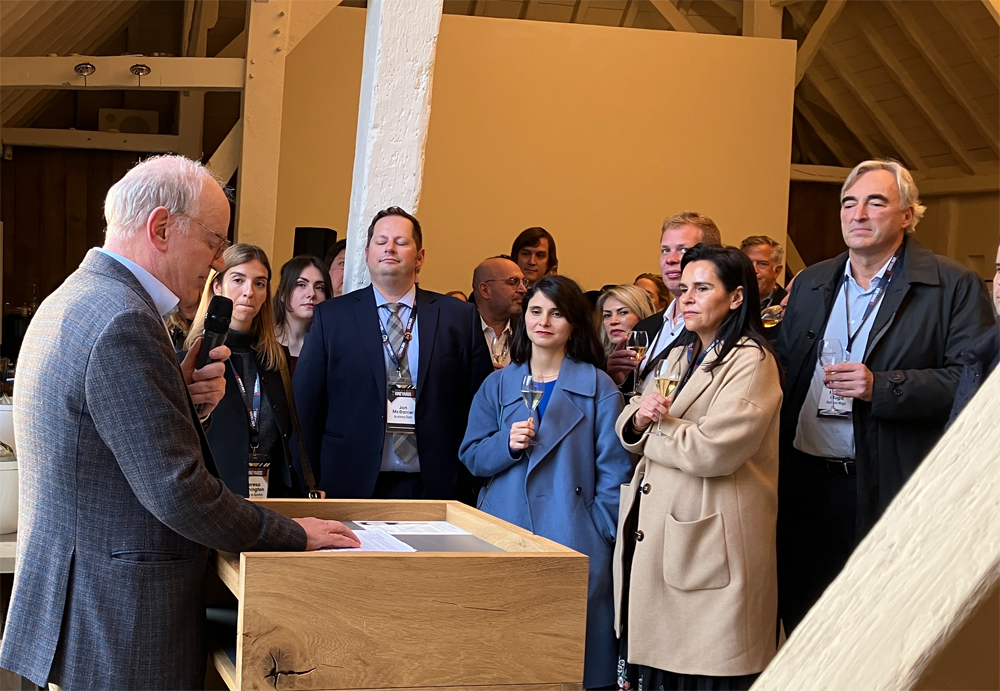
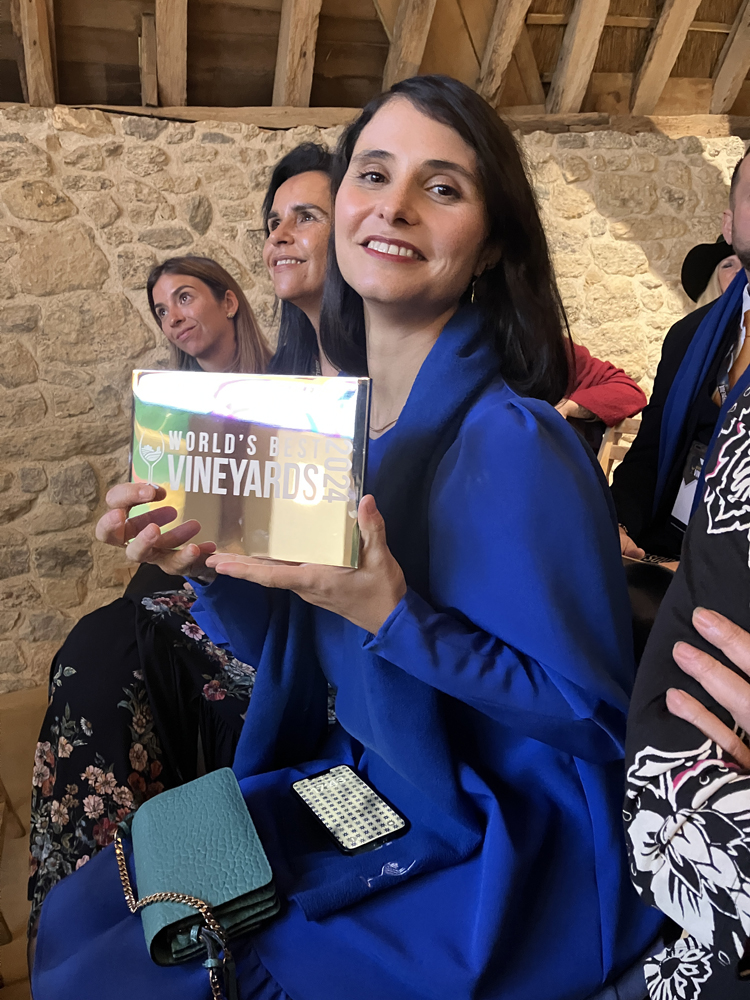
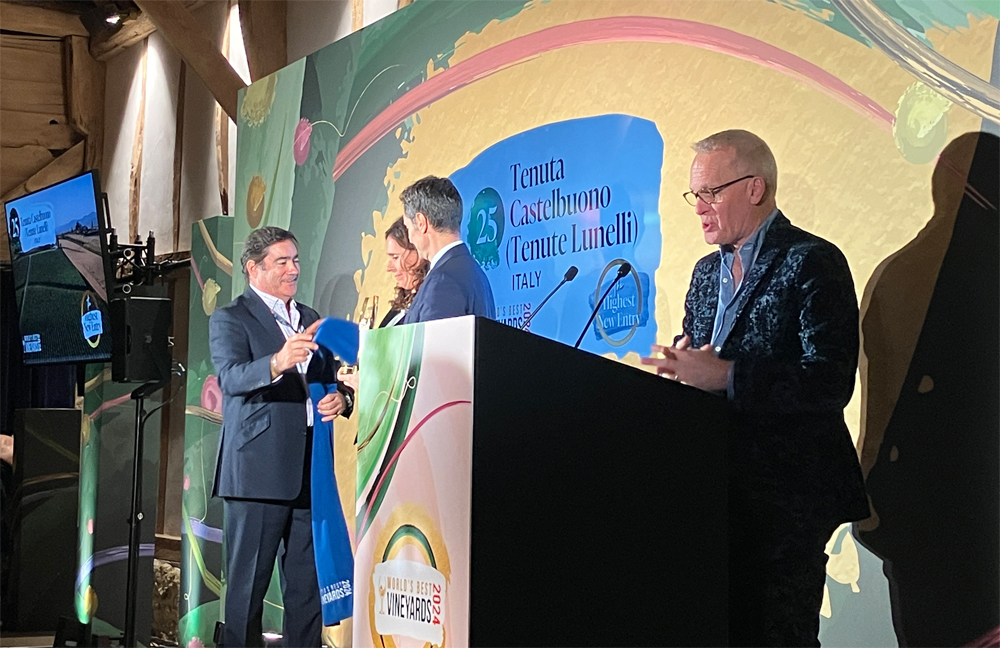
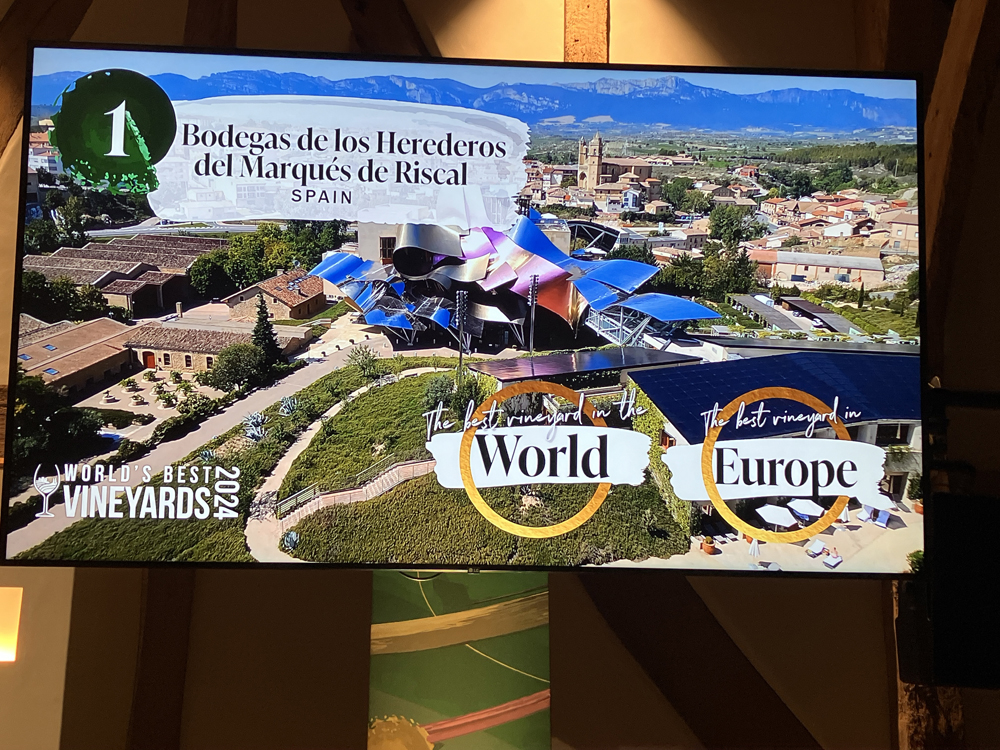
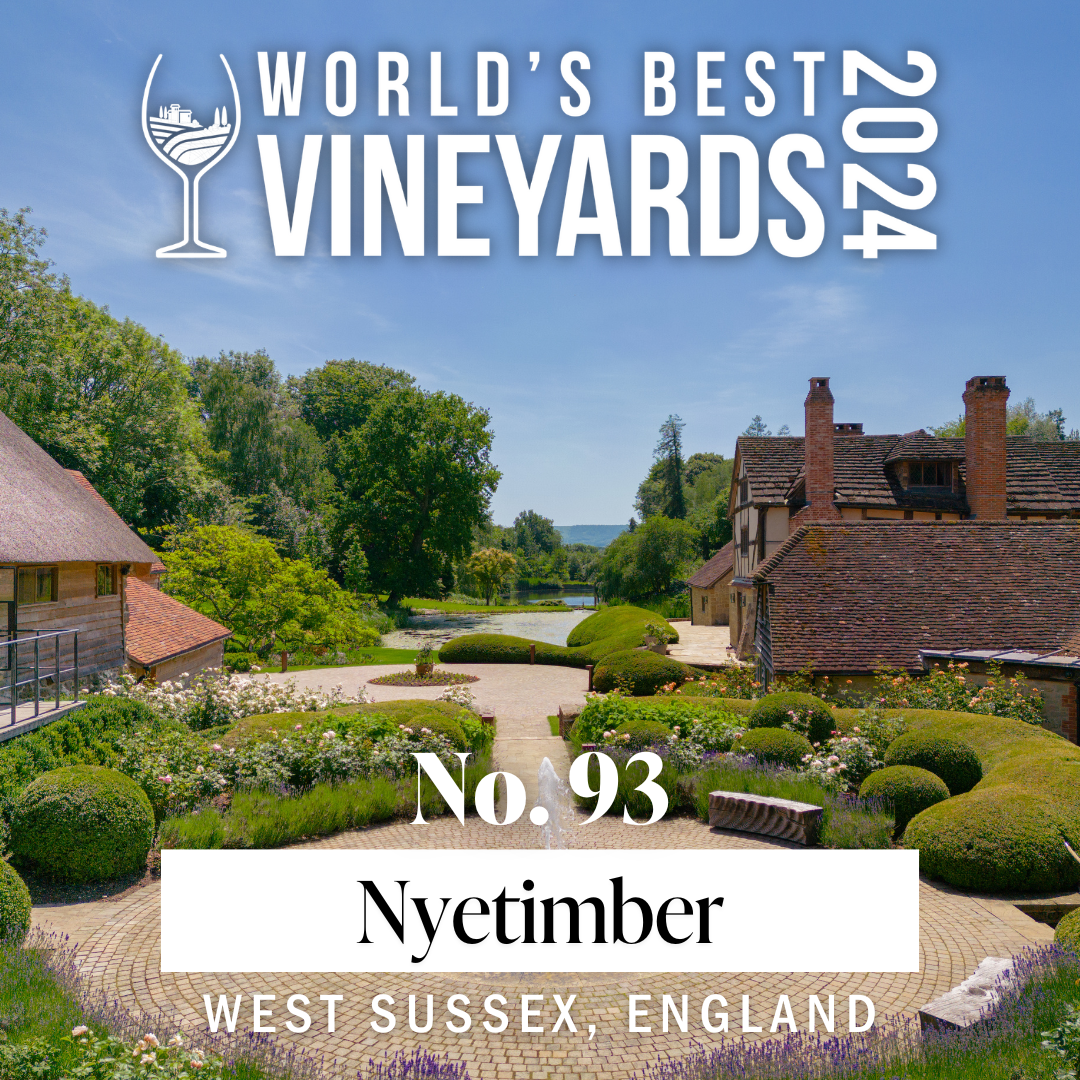
Each year, the awards ceremony is held in a different part of the world: the Rheingau and Rheinhessen in 2021, Mendoza in 2022, and Rioja in 2023. In 2024 it was the turn of England to host the awards ceremony, and this provided an excellent opportunity for participants to experience the transformations that have taken place in English wine production over the last two decades. The awards ceremony itself was generously hosted by Nyetimber, in its magnificent Medieval Barn, with Eric Heerema (Owner and Chief Executive), Cherie Spriggs (Head Winemaker) and Zoë Dearsley (Brand Ambassador) providing an overview of the property and the wines before the awards were announced. Hopefully the images below capture something of the pleasure and excitement of the event.

The introductions

The Awards ceremony
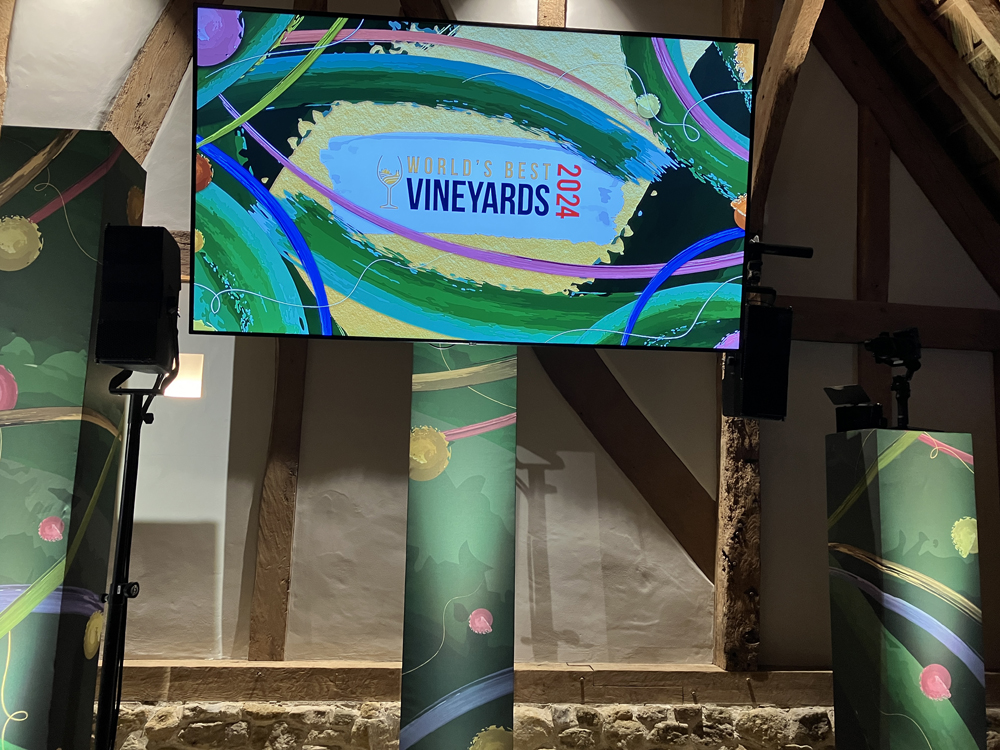
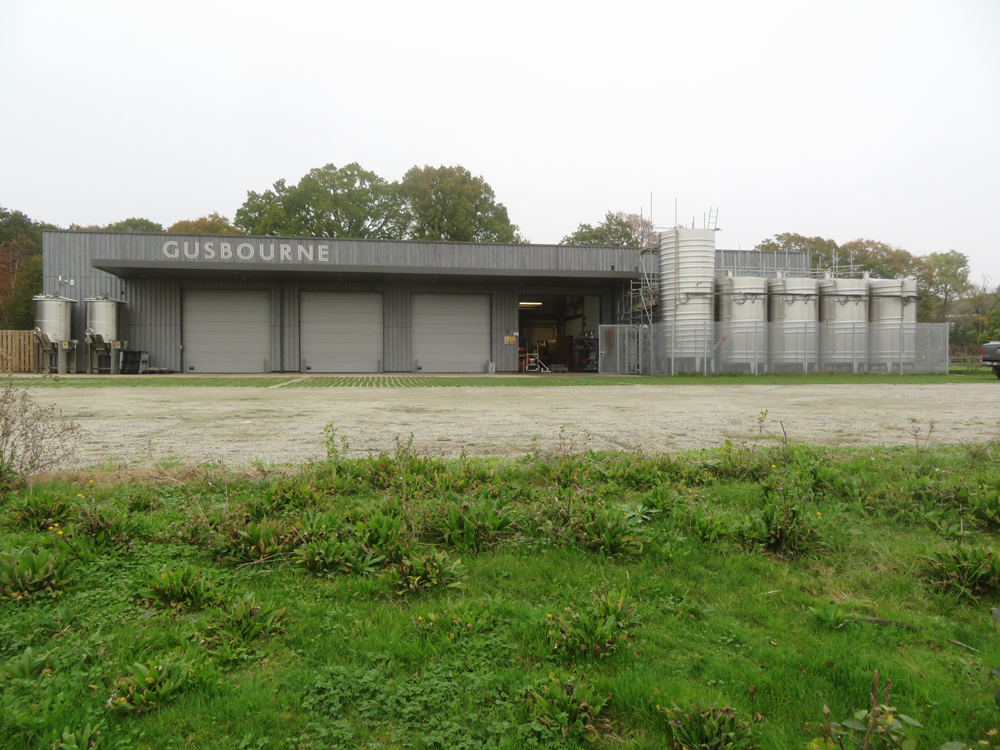
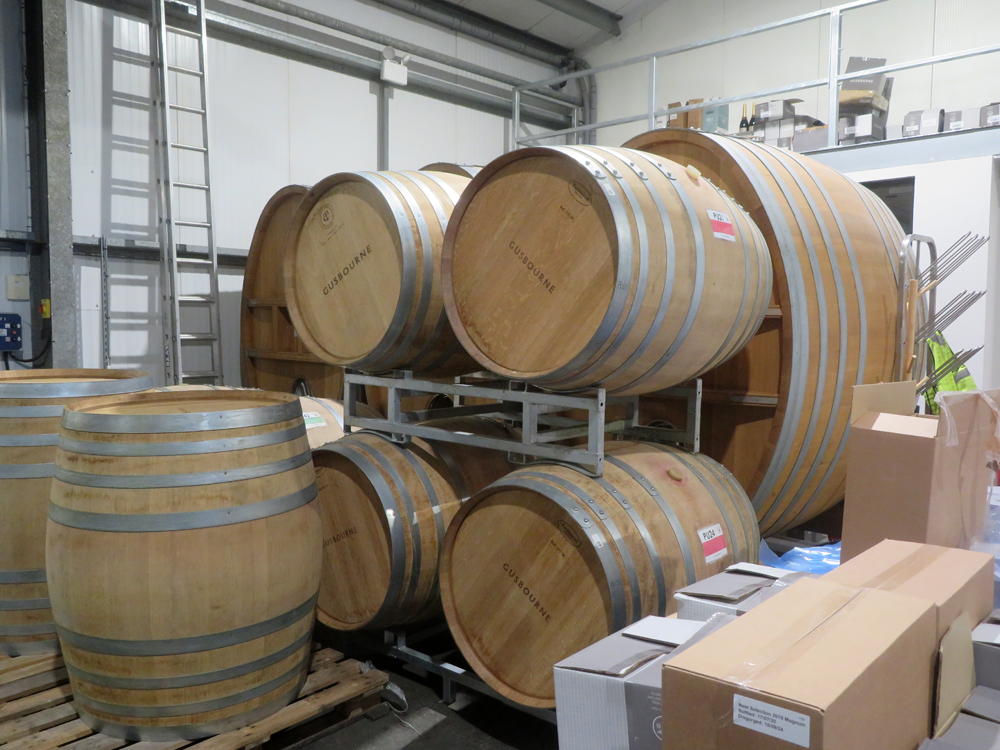
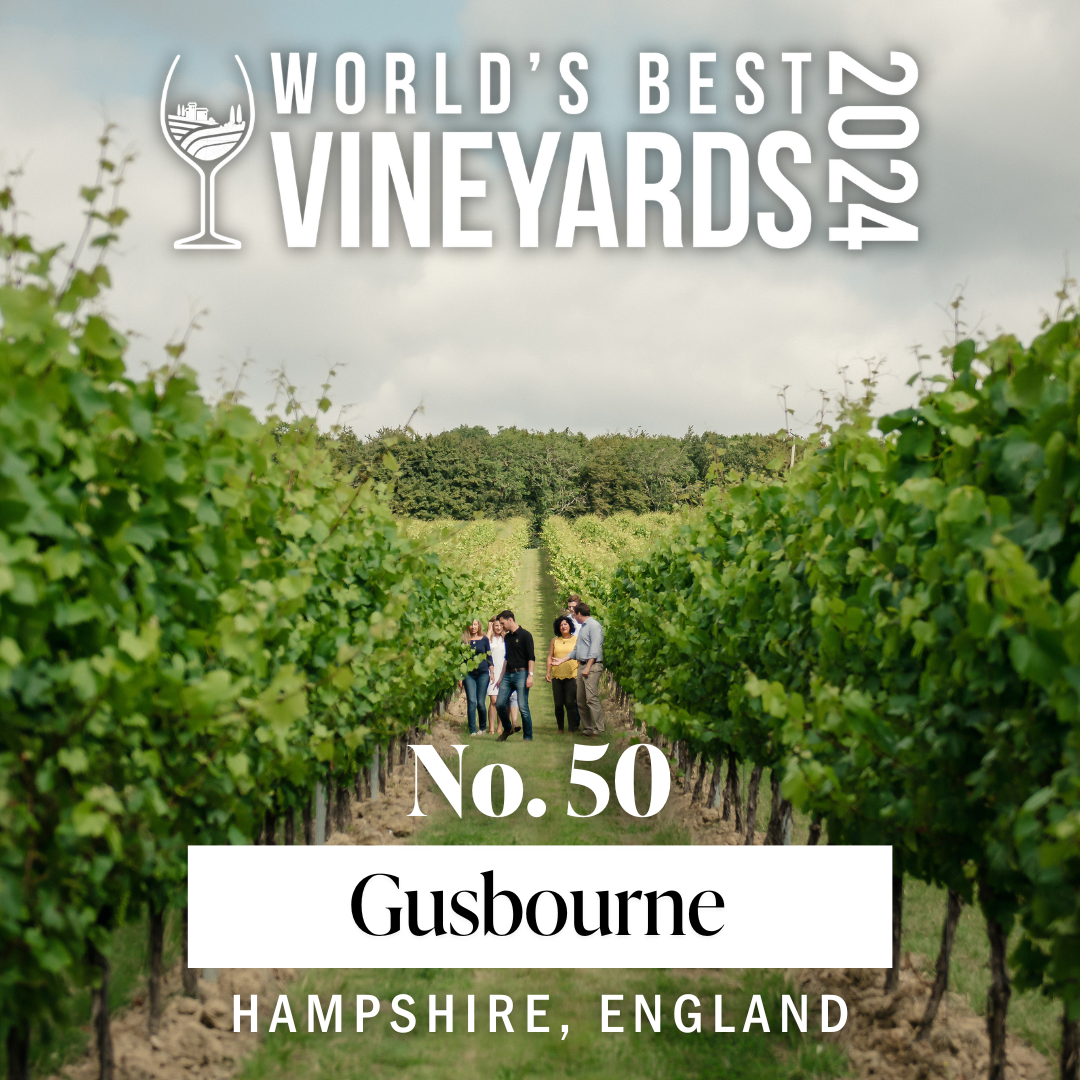
As Chair of the UK-Ireland panel, it was great to see two of our vineyards and wineries in the top 100 awards: Gusbourne and Nyetimber. Both are to be congratulated for their achievements in this very tough competition.
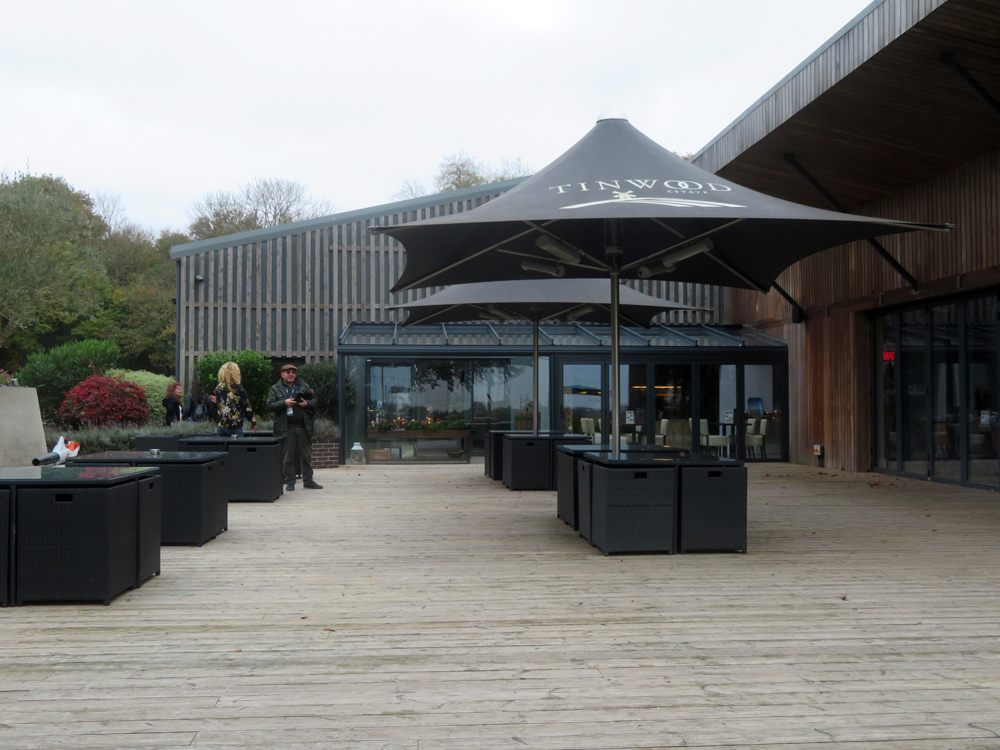
Pre-awards visit to Tinwood Wine Estate

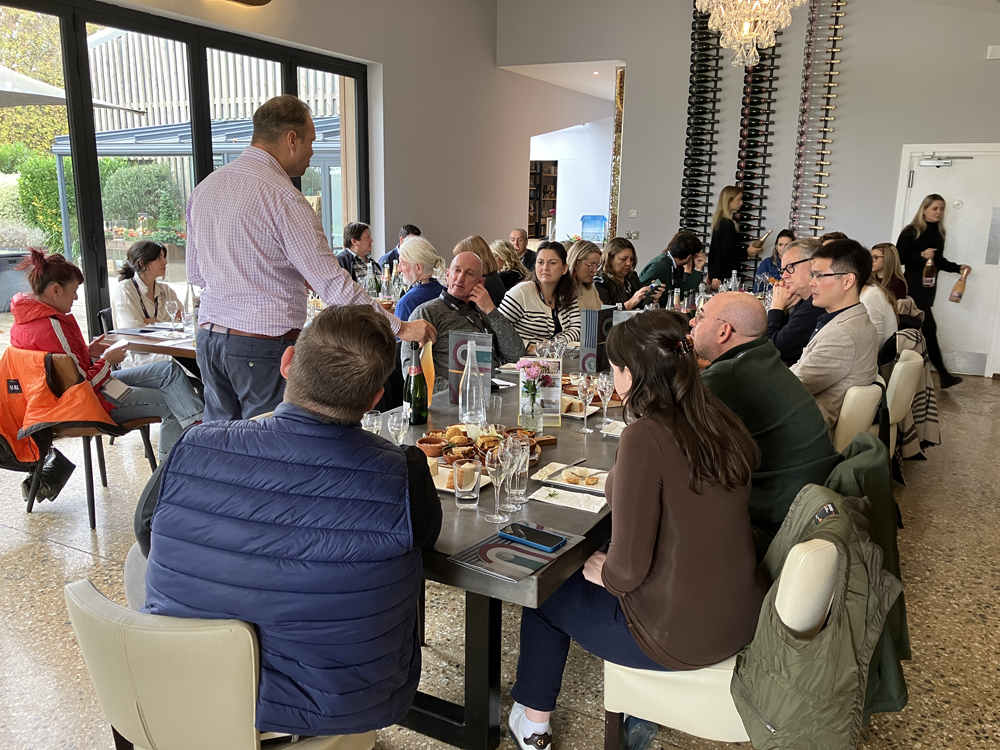
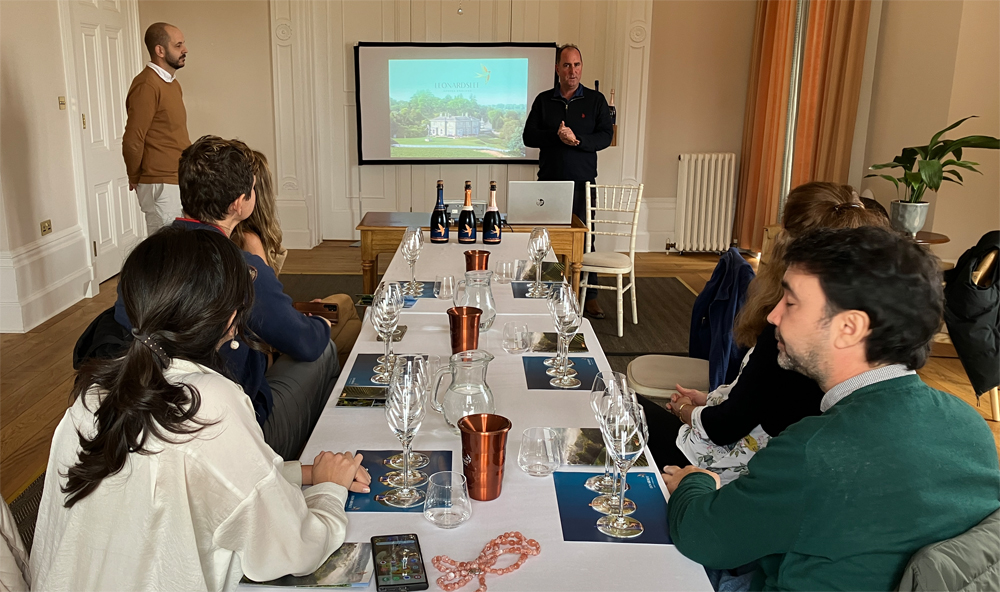
Before the awards ceremony, all Academy Chairs had been invited to an estate visit and delicious lunch and wine tasting at Tinwood Estate, hosted by Art and Jody:

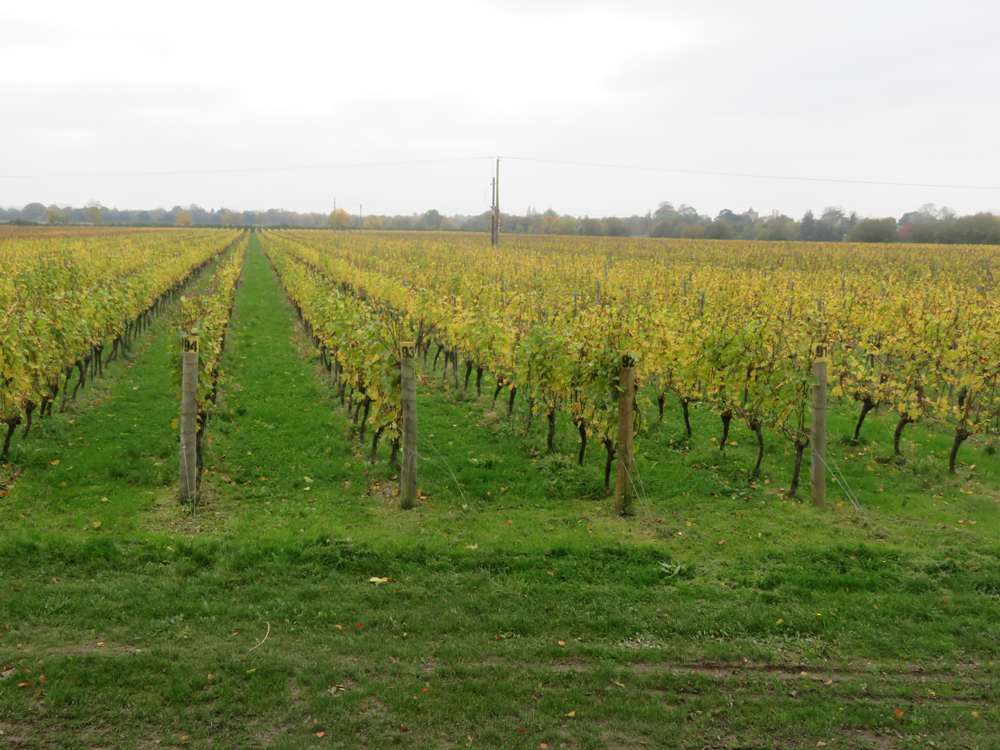
An exploration of the best of south-east England’s wineries and vineyards

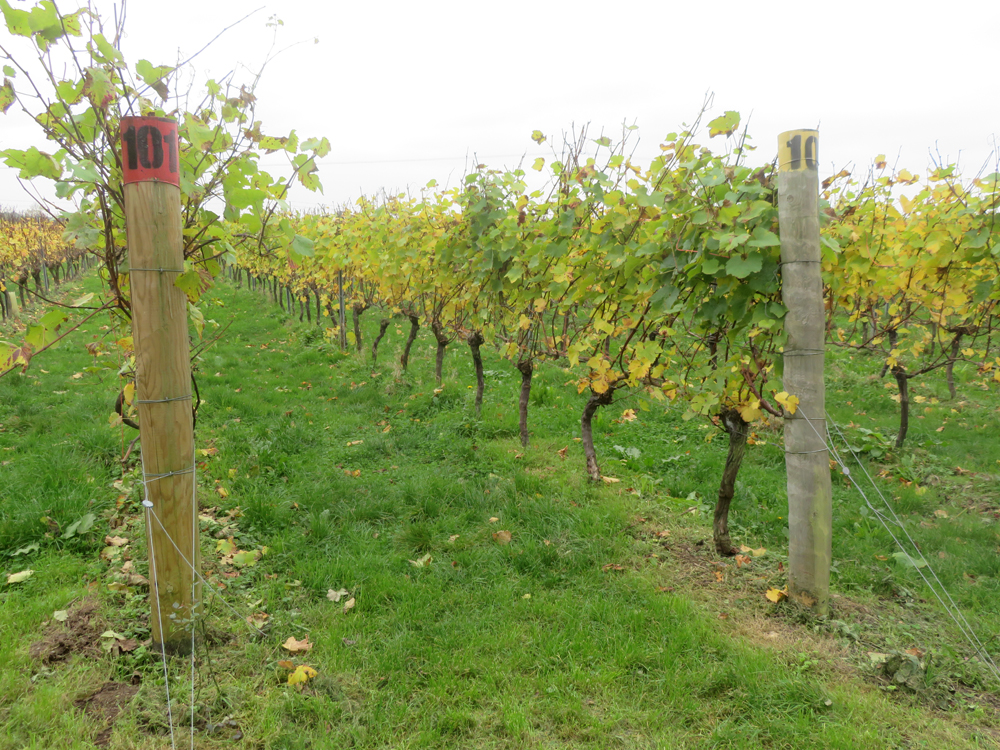
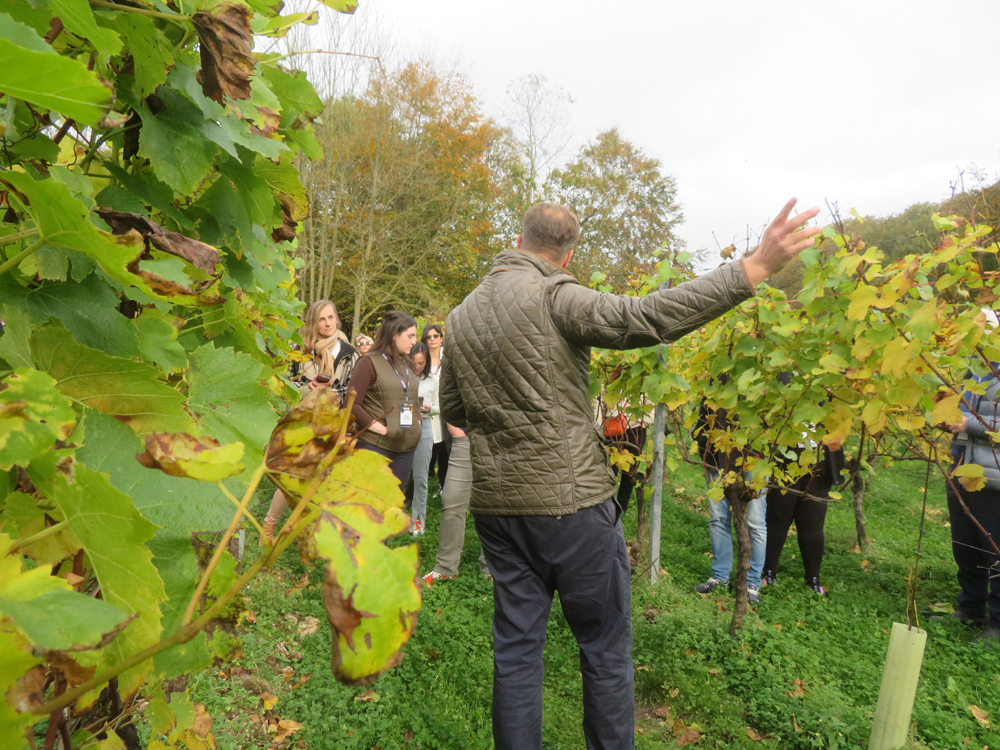
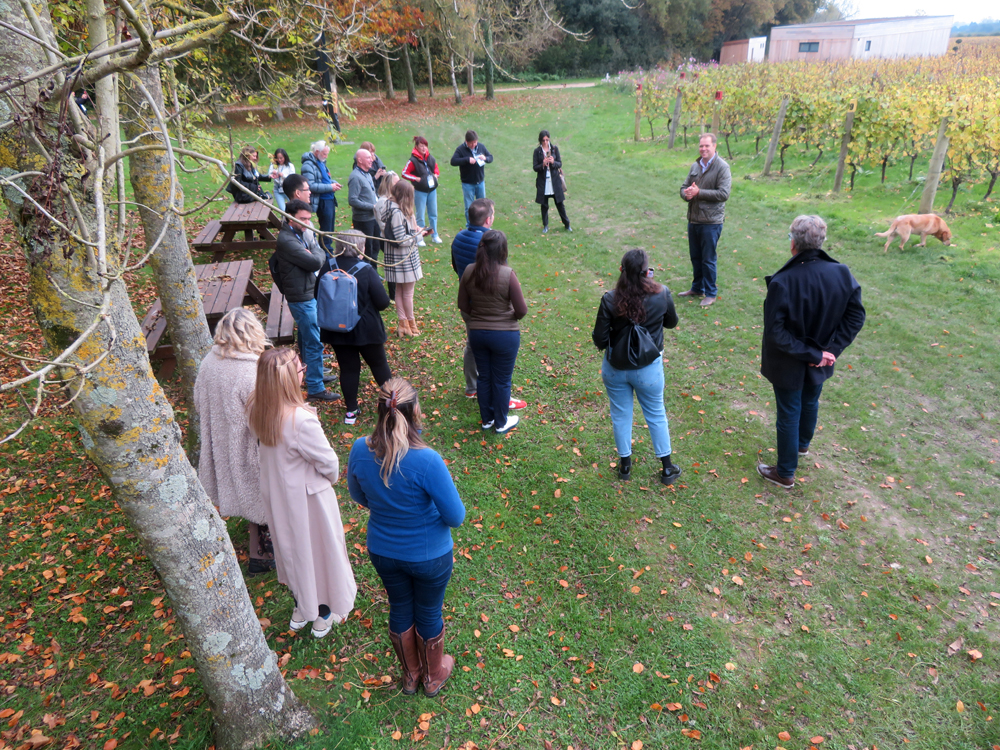
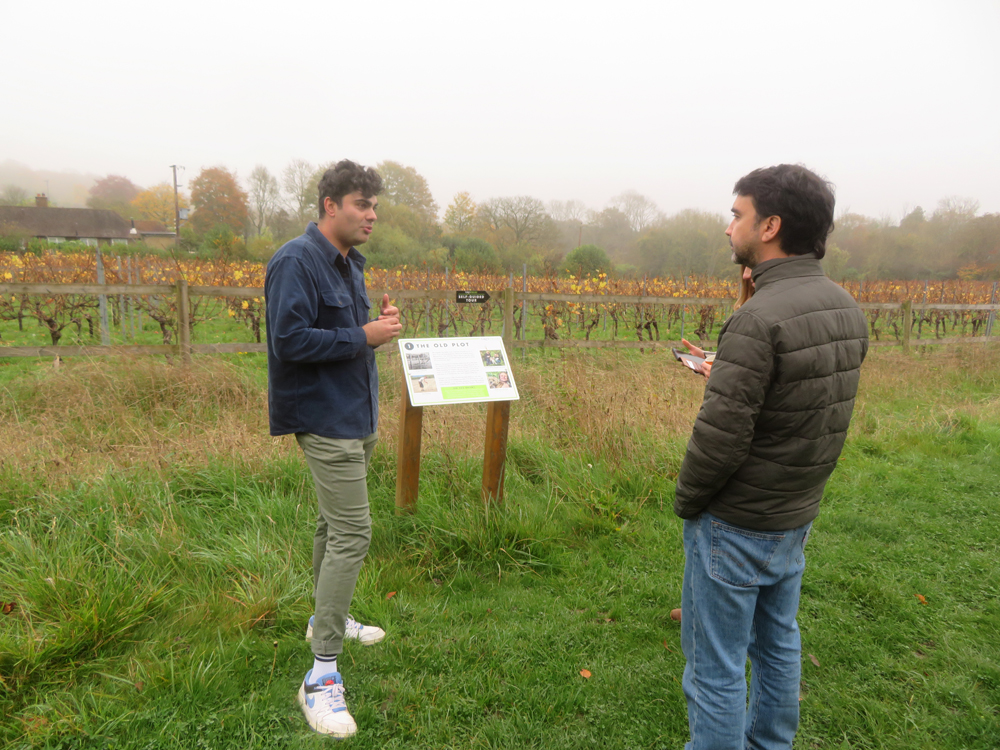
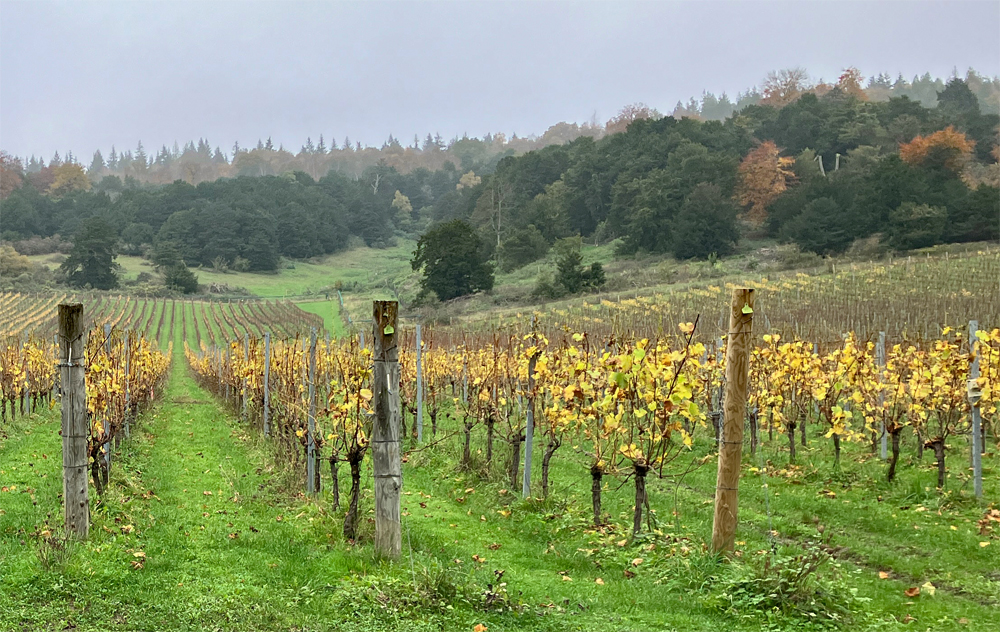
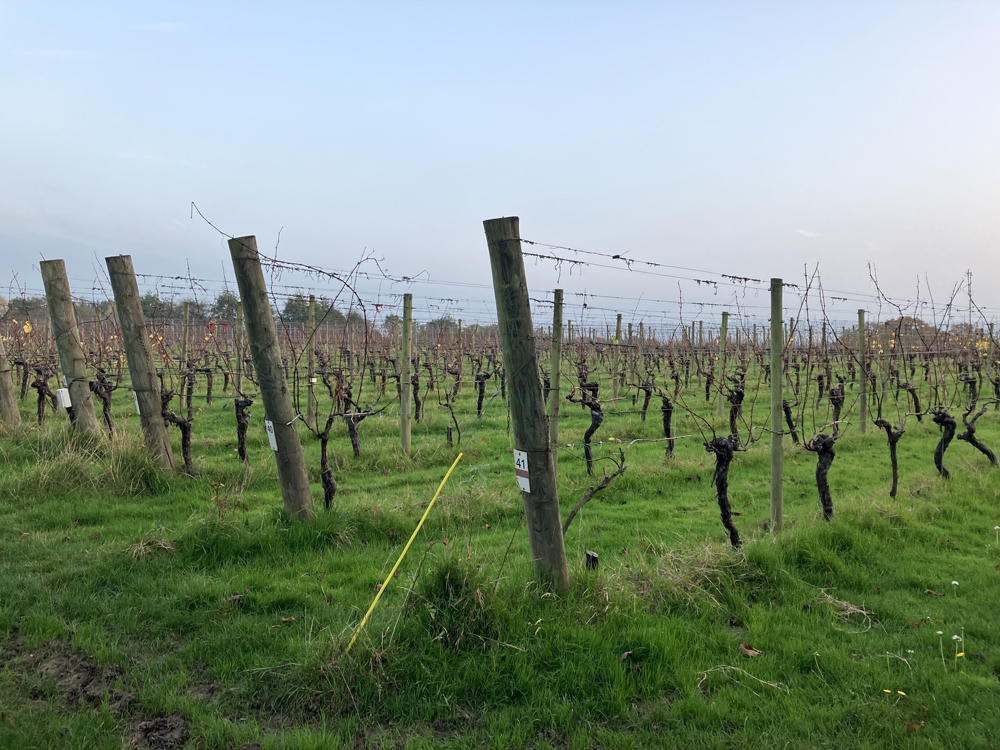
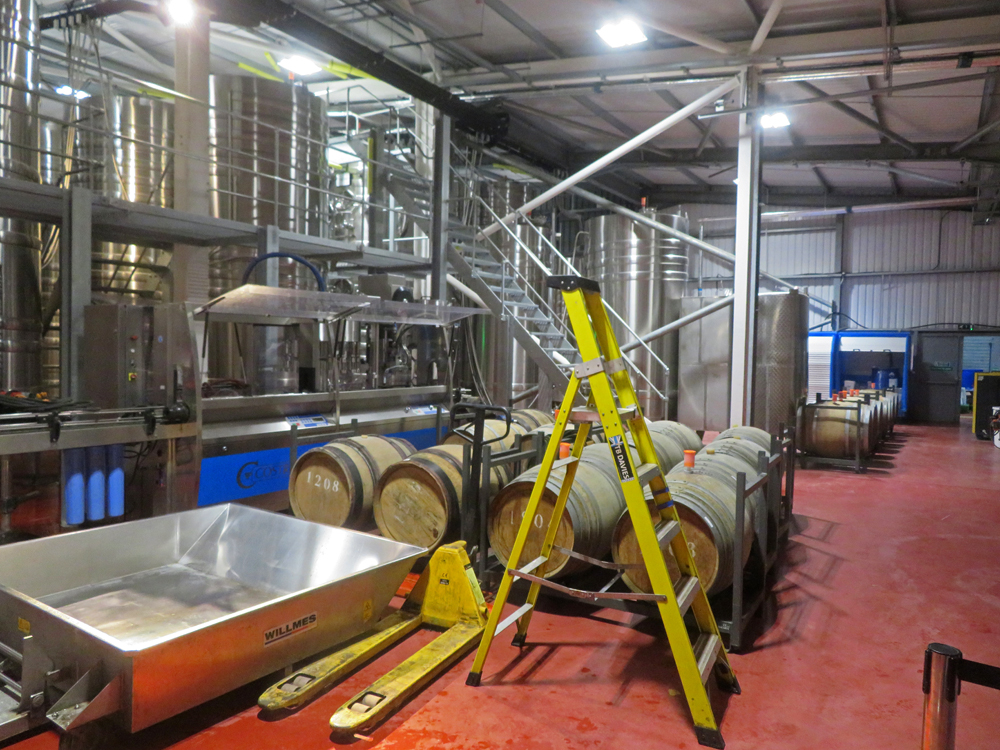
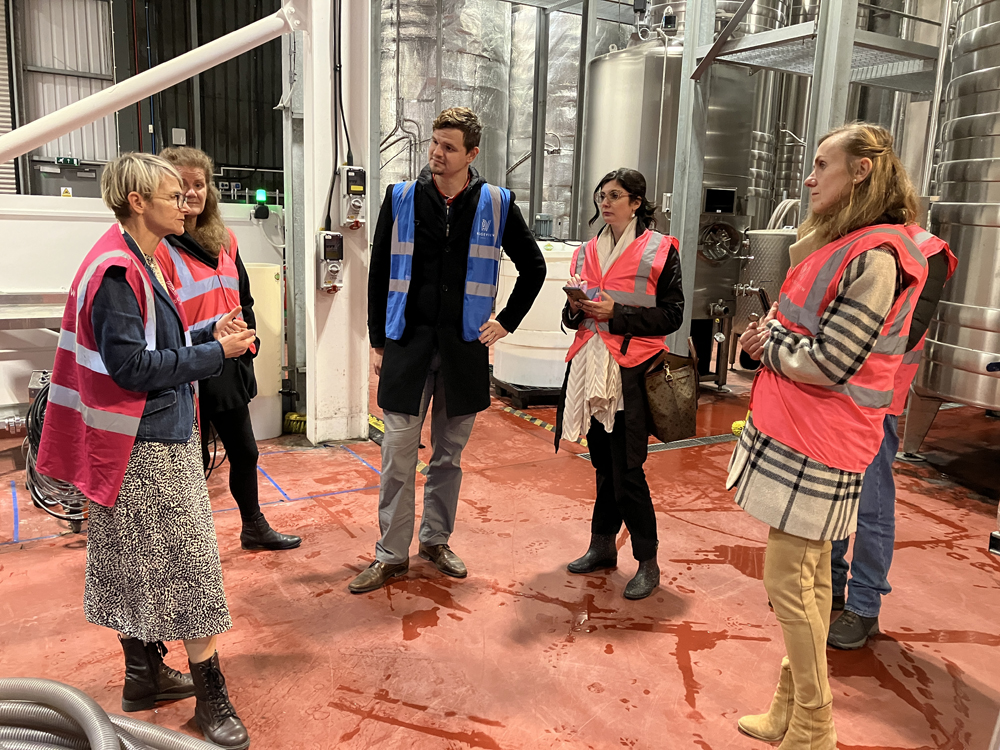
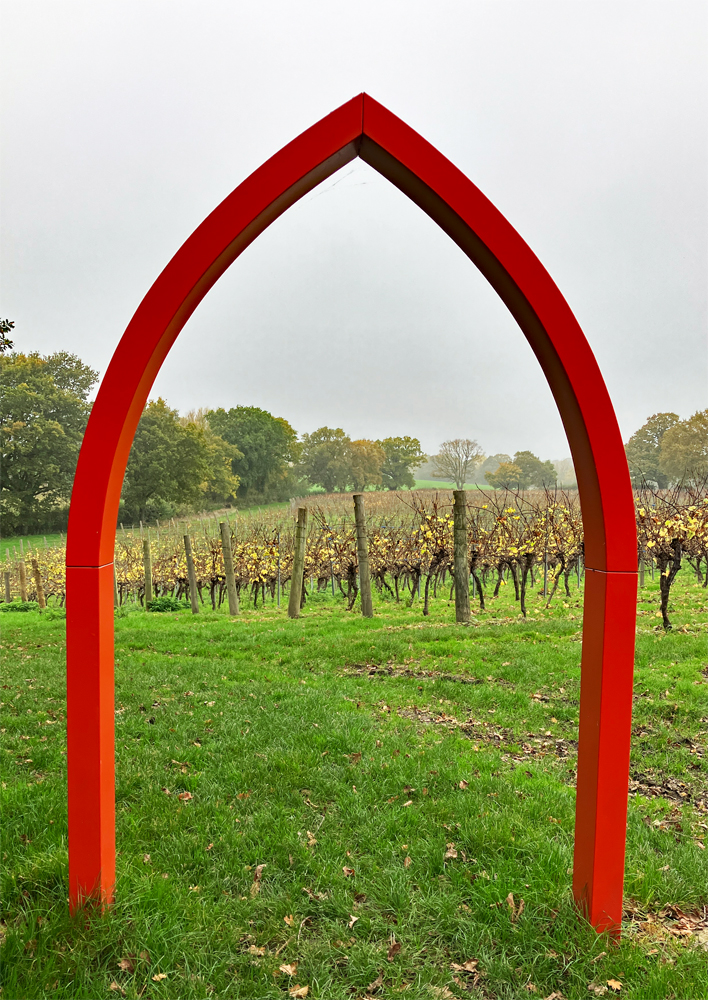
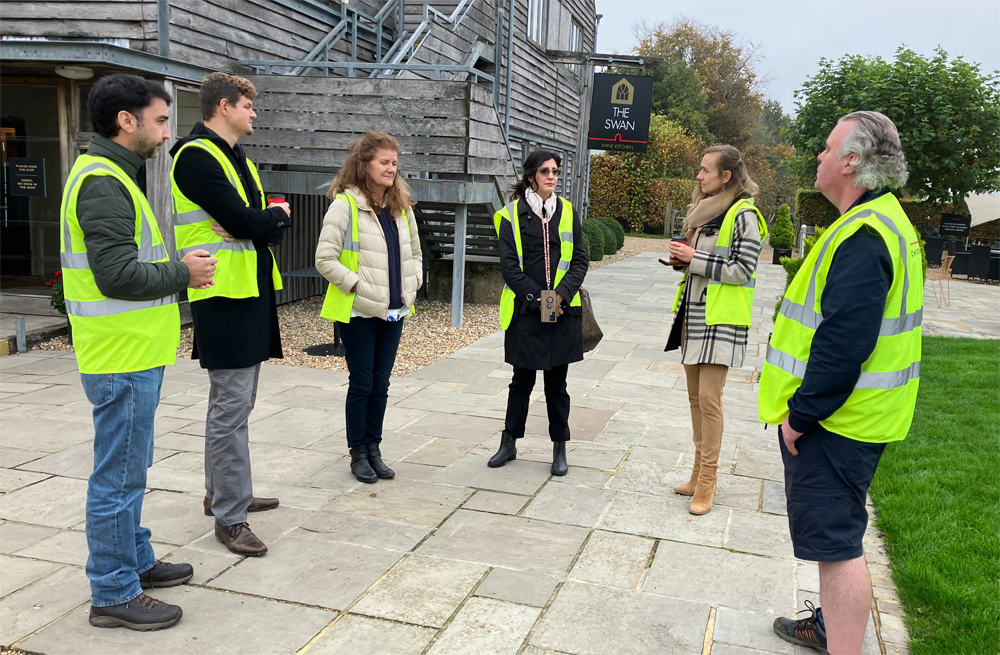
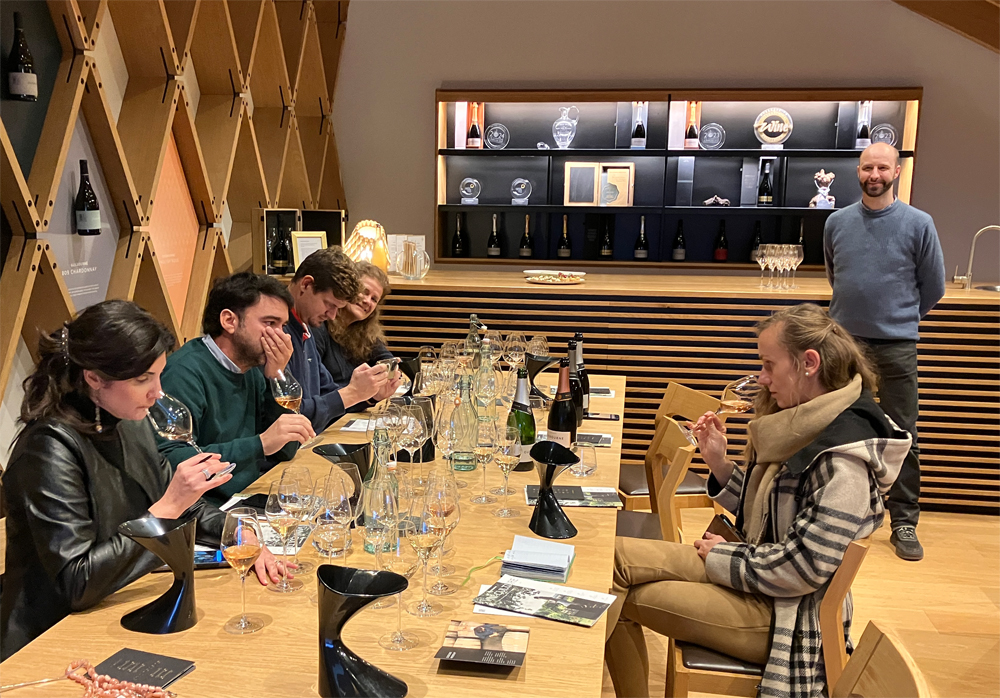
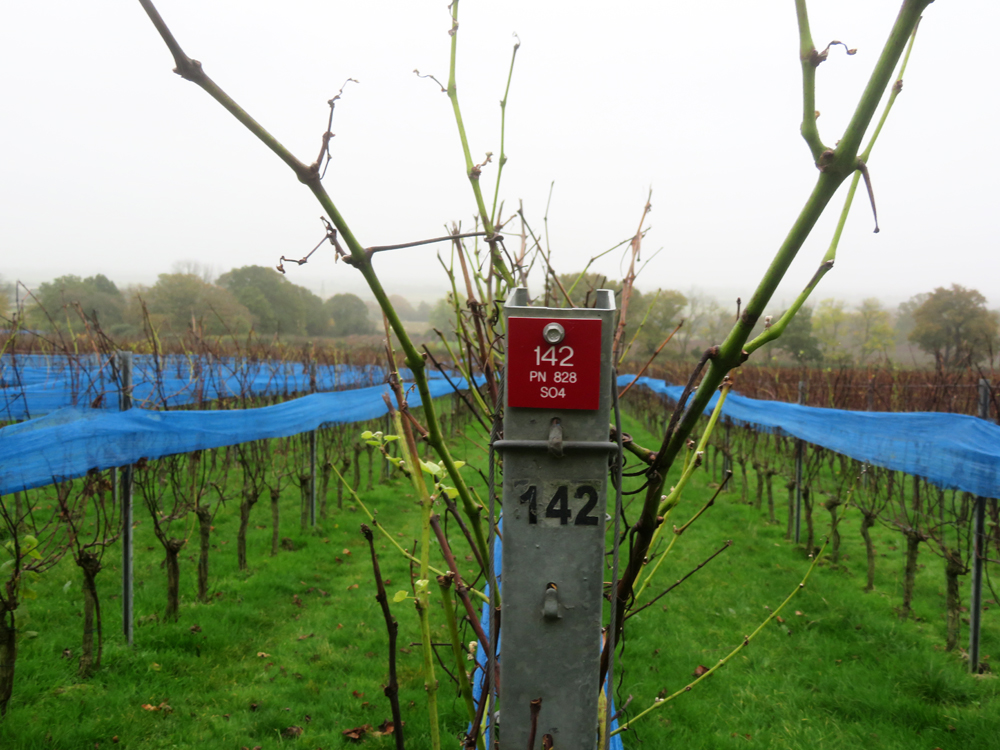
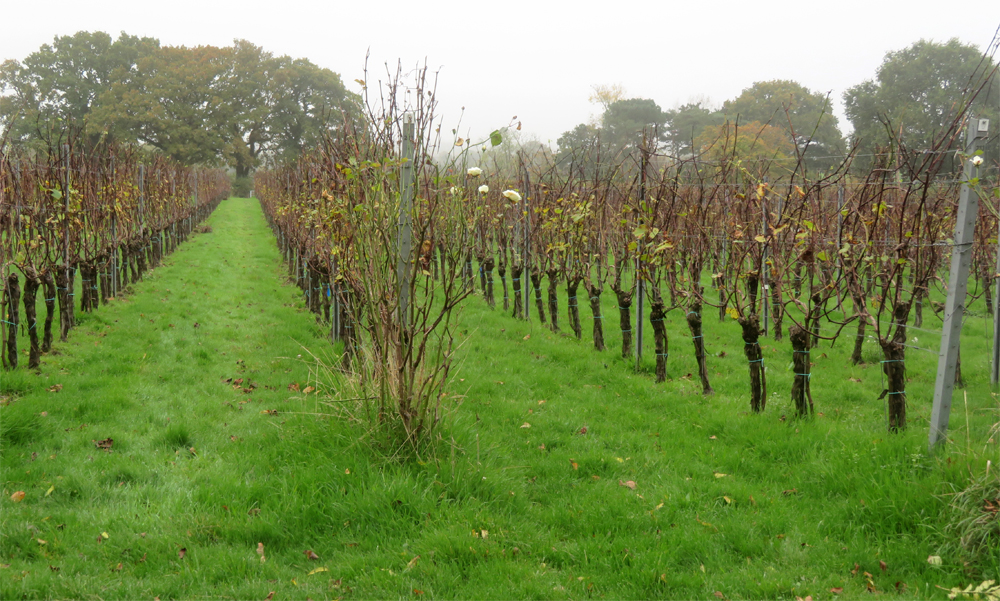
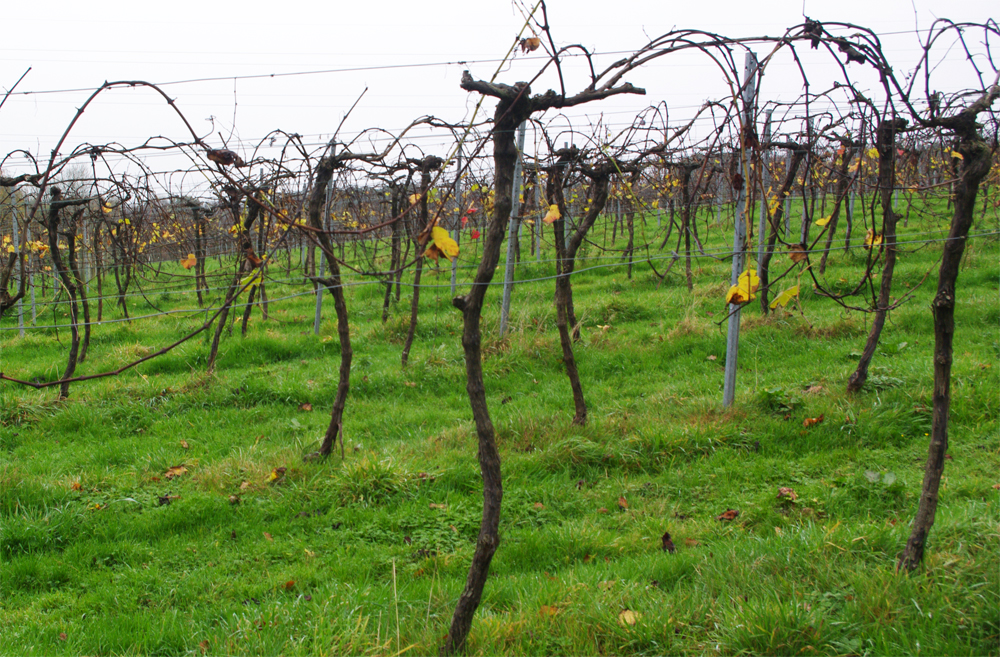
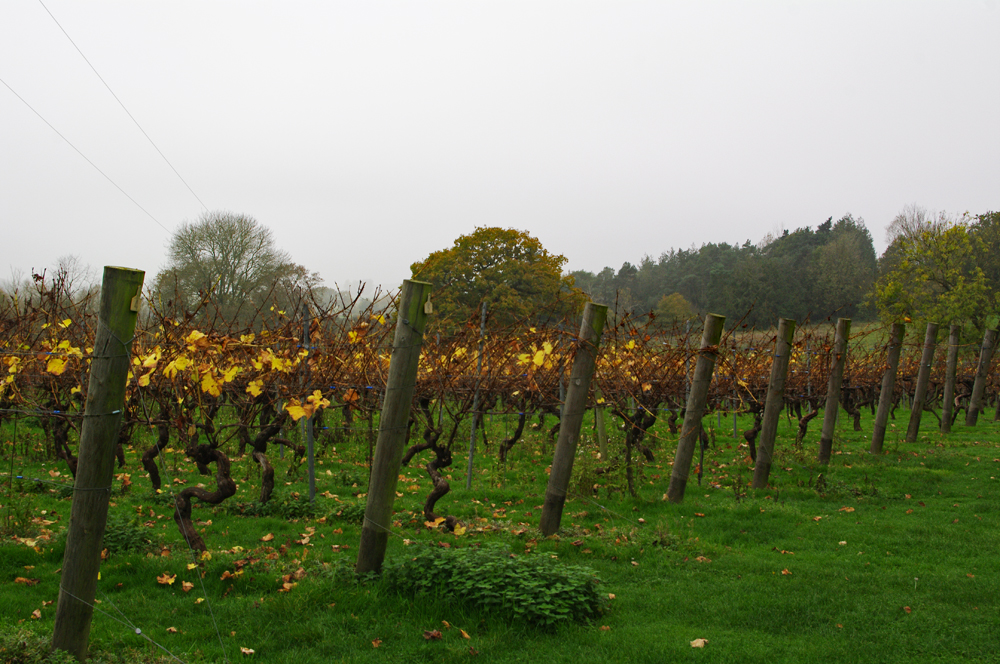
After the awards ceremony, it was an enormous pleasure to take four of the Academy Chairs (Chiara Giorleo – Chair for Italy; Lotte Karolina Gabrovits – Chair for Germany, Benelux and Nordic; Pál Gabrovits – Chair for Austria, Hungary and Switzerland; and Pedro Nelson Dias – Chair for Portugal) on an exploration of some of the best wineries and vineyards in Surrey, Sussex and Kent. We are all immensely grateful to the proprietors and staff of these estates for their hospitality and the time they spent with us. Glimpses of our experiences (in the order that we visited them) are shared below to encourage you to visit these estates and get to know some of the excellent wines that are currently being produced in south-east England.

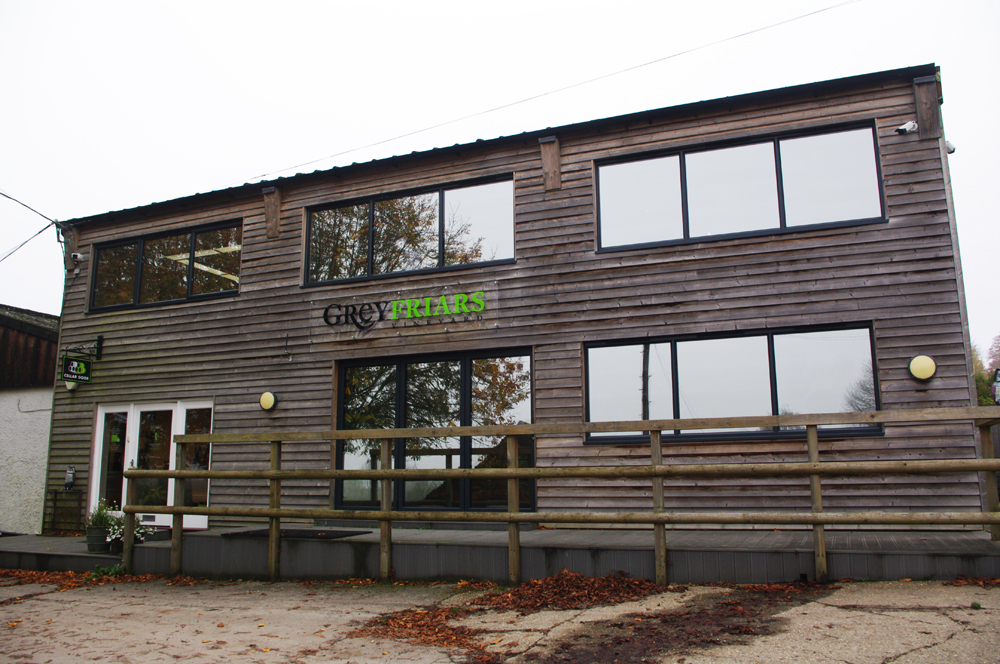
Greyfriars Vineyard
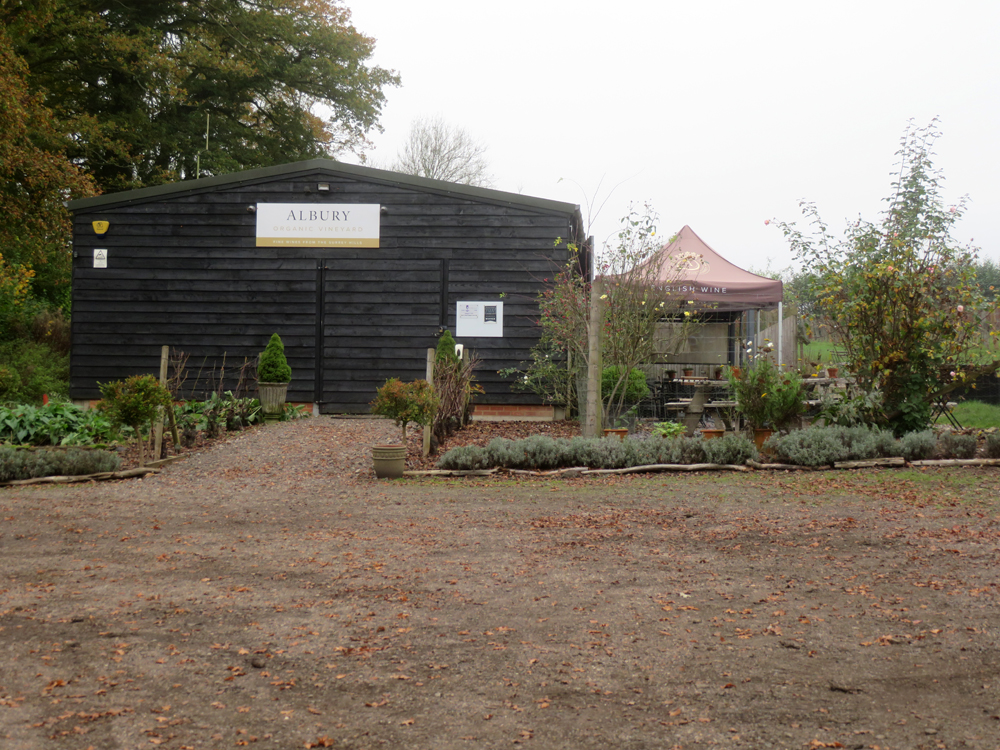
Albury Vineyard and Silent Pool
Leonardslee Family Vineyard
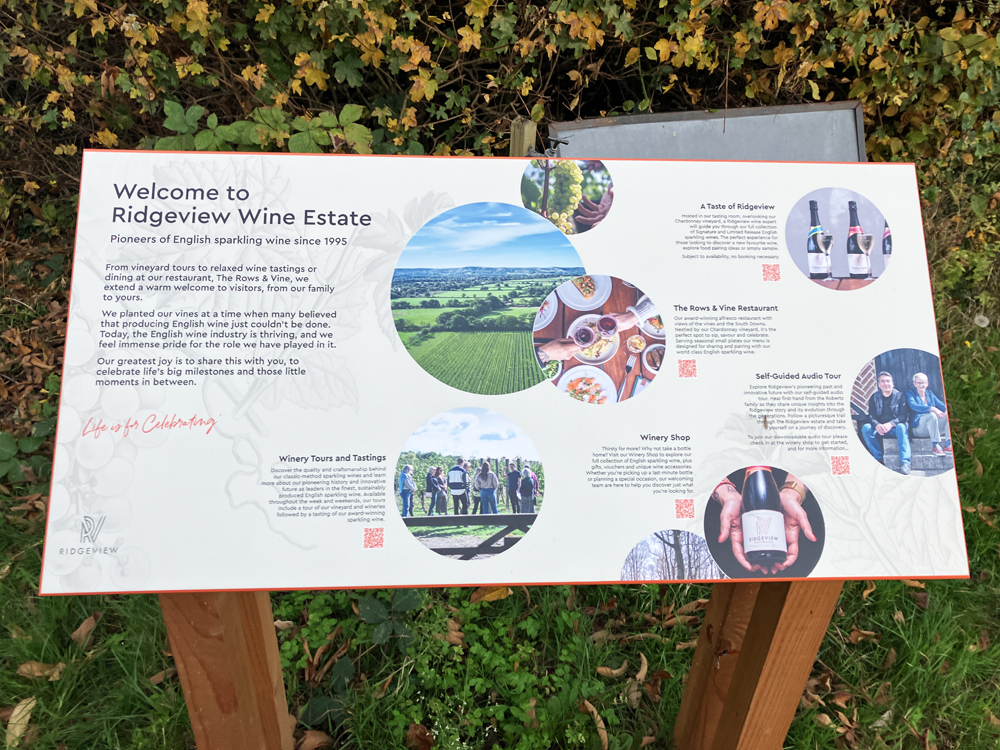
Ridgeview
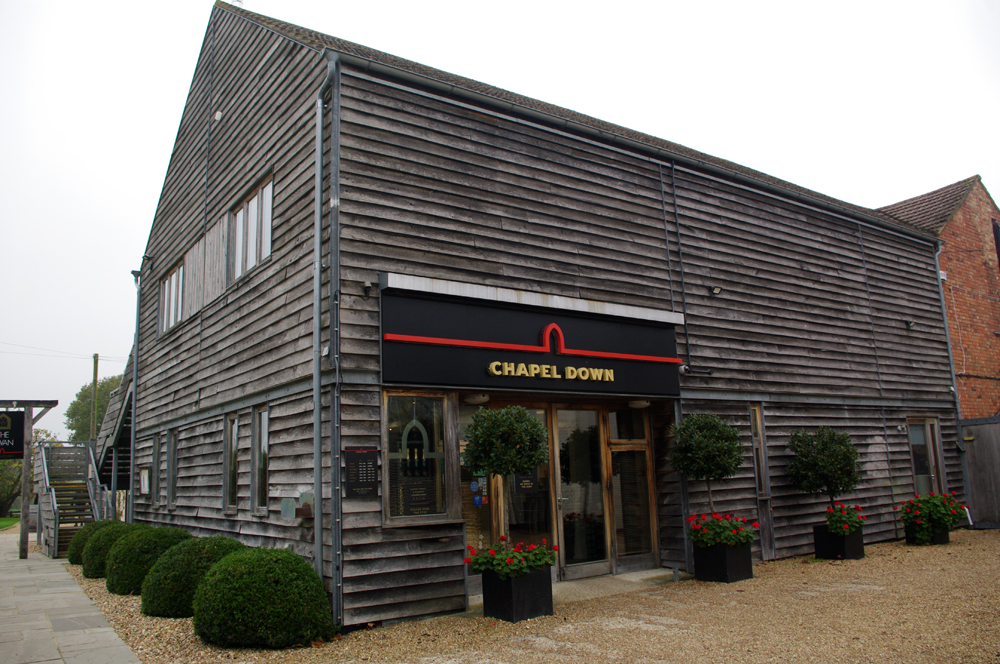
Chapel Down
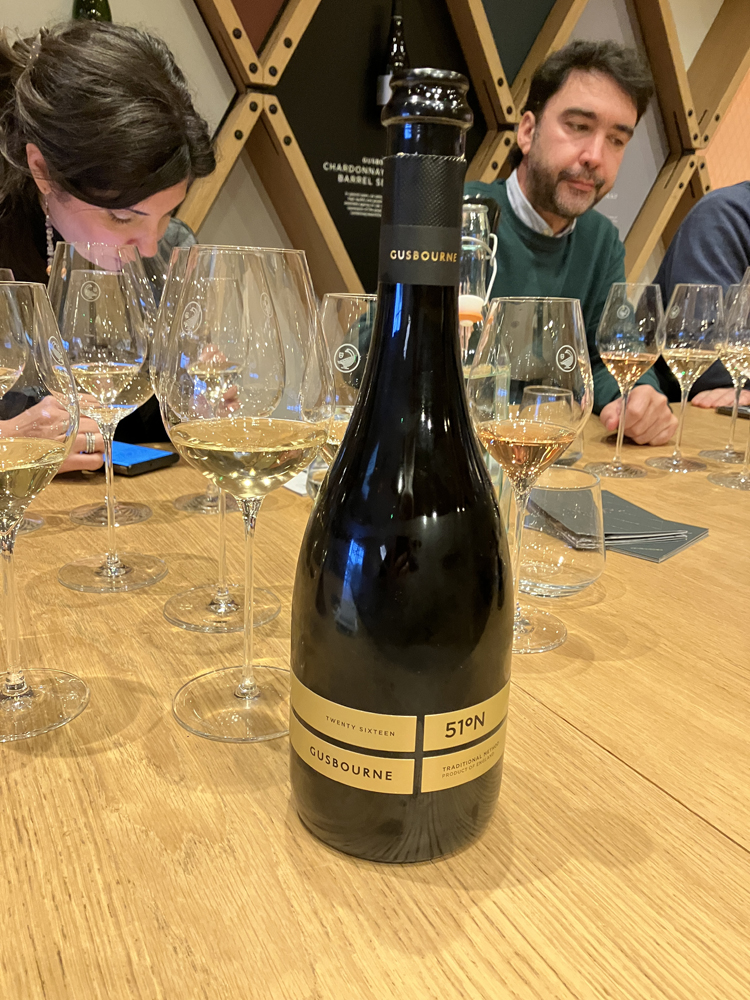
Gusbourne
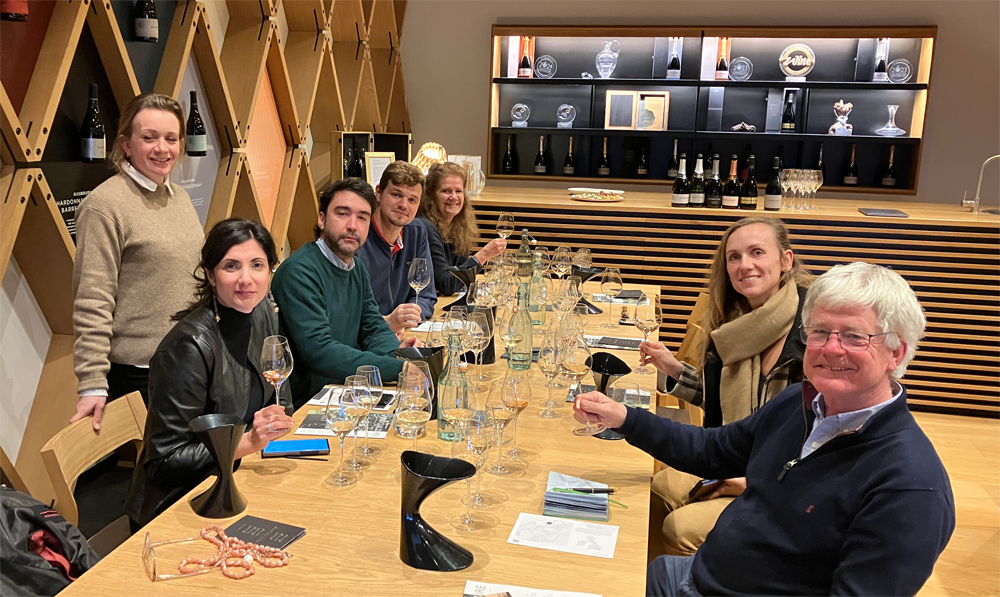
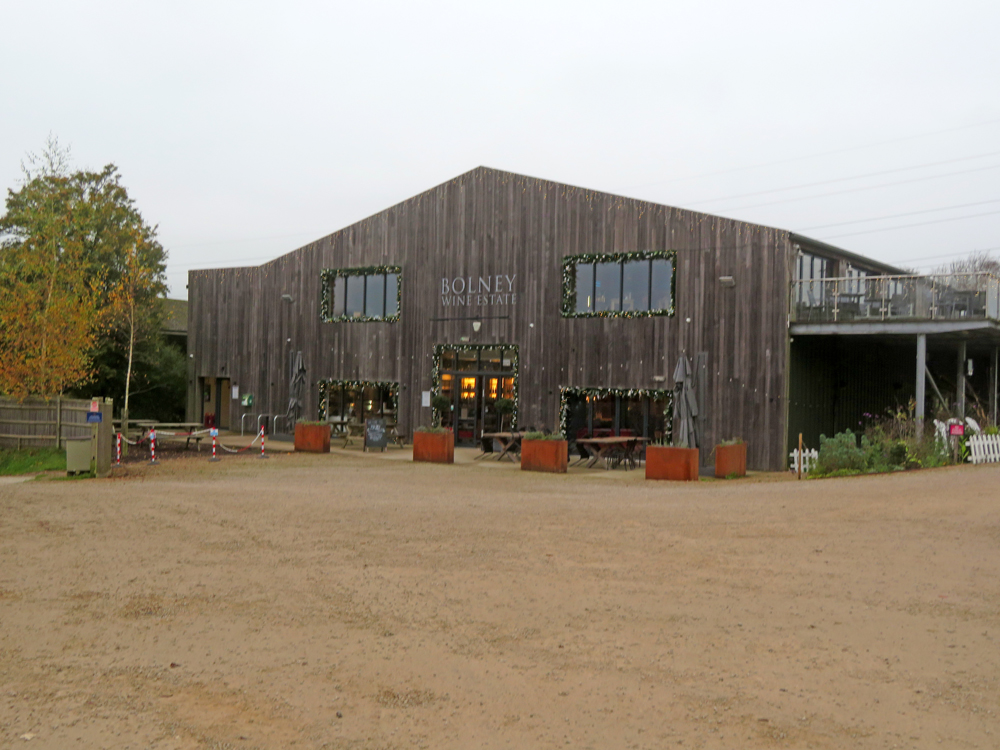
Bolney Wine Estate
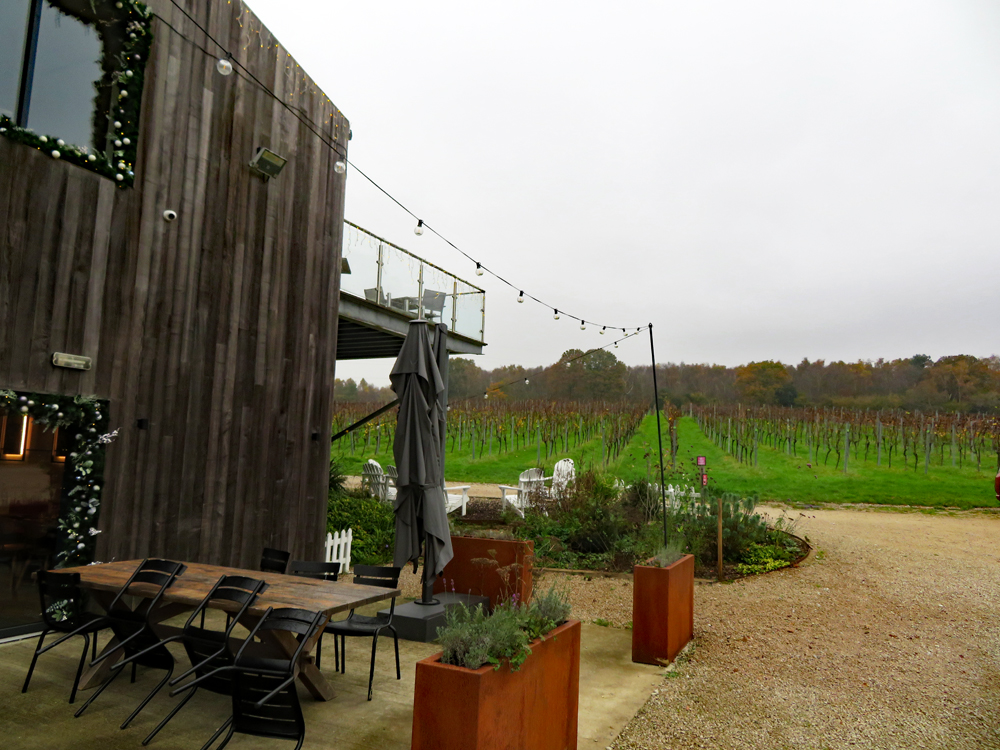
A big thank you once again to all those who hosted us and shared their wines so generously.

Leave a comment

Filed under Alcohol, Britain, Wine

WISE Awards 2012 – applications open until 31st May

The World Innovation Summit for Education (WISE) Awards are now open for applications – until 31st May 2012.  If you are aware of people working on innovation initiatives that have transformed educational delivery, do encourage them to apply!

The WISE Awards are specifically designed to identify, showcase and promote innovative educational projects from all sectors and regions of the world to inspire change in education. Each year, a Jury composed of leading experts from the education world selects six innovative projects for their concrete and positive impact on communities and societies. Each winning project gains global visibility through the Awards process and receives a prize of $20,000 (US).  Since the creation of the Awards in 2009, over 1,300 applications from 116 countries have been received, resulting in 98 Finalists and 18 winning projects from across the world.

In 2012, one of the six awards will be given explicitly to a project that has best delivered innovative financing of primary education.  This reflects the support of the Qatar Foundation’s Chairperson Her Highness Sheikha Moza bint Nasser for the United Nations MDG 2 on achieving universal primary education and it is designed to stimulate innovative projects targeted at achieving this goal.

All of the necessary details concerning the awards are available on the WISE Awards website, which provides specific information about:

All relevant applications are first reviewed by a Pre-Jury of distinguished educationalists.  They will  recommend 24 finalists who will then be invited to submit more detailed applications for consideration by the prestigious Jury of international experts.

It is particularly important that applicants explain clearly and in detail how their projects deliver on the nine criteria by which the WISE Awards are judged:

1. Educational Transformation: the overall extent to which the educational activity has transformed an aspect of education that has also had societal impact. Applicants must show what aspect of education they have sought to transform, and the impact that the project has achieved, not only in educational terms but also through the effect that this has had on society more generally.

2. Sustainable Financing: the extent to which the educational activity is funded in a sustainable way and achieves value for money to ensure its continuing viability. Applicants need to show how their projects have sought to ensure continuing financial viability.

3. Innovation: the extent to which the educational activity is innovative in design and/or practice, thereby transforming traditional means of educational delivery. Innovation can be of many different kinds, but it is important for applicants to emphasize what is particularly novel about their project.

4. Inclusion and Diversity: the extent to which the activity includes a diversity of beneficiaries and has enhanced equality of access to education. Successful applicants will have paid special attention to ways through which their project has ensured greater equality of access to education, particularly through an increase in the diversity of those participating in learning opportunities provided through the initiative.

5. Quality of Learning: the extent to which the transformation has contributed to the improvement of the quality of learning. Applicants need to indicate what they understand by quality of learning, and show explicitly how the intervention has indeed enhanced this.

6. Scalability: the extent to which there is evidence that the educational activity has the potential to be scaled up effectively, or has already been replicated at a larger scale than originally piloted. For more recent projects, it is essential that applicants show explicitly how they will ensure that the initiative can be scaled up effectively.

7. Partnership and Participation: the extent to which the educational activity has established effective partnerships and includes participation from beneficiaries and stakeholders. Applicants need to indicate the character of the partnerships involved, and be explicit about the ways through which beneficiaries and stakeholders participate in the design and implementation of the initiative.

8. Monitoring and Evaluation: the extent to which there is evidence of effective ongoing enhancement of the program through regular monitoring and also evidence of formal internal or external evaluation procedures. It is important that applicants show how ongoing monitoring procedures have enhanced the project, and also how formal evaluations after completion of specific stages have contributed to the initiative’s subsequent development.

9. Dissemination: the extent to which the organization has already effectively disseminated and shared educational practices with other practitioners in a diversity of ways. Applicants should provide evidence of how they have already shared their educational experiences with other practitioners.

Leave a comment

Filed under Education

WISE awards for outstanding educational achievement

LOGO WISEThe Qatar Foundation has recently announced the launch of its WISE (World Innovation Summit for Education) awards for outstanding educational achievements.  In this inaugural year, the WISE Awards nominations will generate six prizes to existing projects aligned with the Forum’s three main themes: Pluralism, Sustainability and Innovation.  Two prizes will be awarded for each of these three themes. Each of the six laureates will receive a WISE Prize Award of $20,000 at the Gala Dinner on November 17th, 2009. Laureates will also be given the opportunity to showcase their projects during the WISE Forum.
The WISE Awards application process is open to individuals or teams of individuals from across the world and in all education sectors, to be supported by a letter of endorsement from senior management of their organisations. The closing date for applications is 15th July 2009.

Laureates will be selected by a pre-jury and then by an International Jury consisting of some of the world’s leading experts in pluralism, sustainability and innovation in education, drawn from public institutions, civil society, the private sector, international organisations, universities and social entrepreneurs.

Further details are available as follows:

Leave a comment

Filed under Education, Higher Education