
This has been a crazy week of over-dosing on Zoom for those attending the online IGF 2020 (made worse by too many slide-decks). How I wish I was physically back with real friends in real Poland, having real conversations and drinking real Polish beer and cherry vodka!

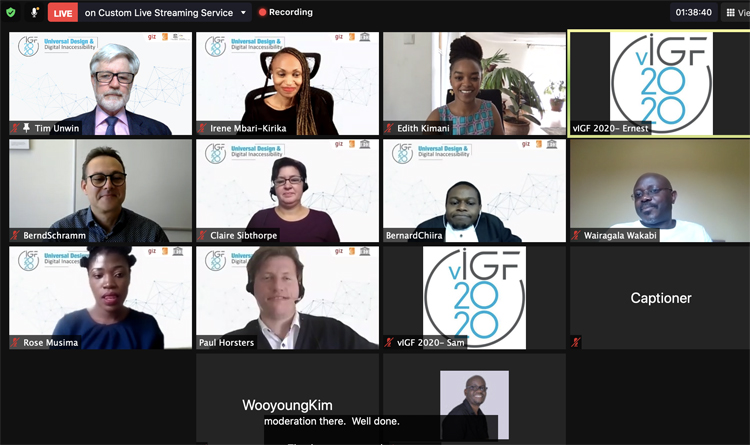
However, it was really great to participate in the GIZ-convened session WS #255 on Digital (in)accessability and universal design this morning (my time!). Huge thanks are due to Paul Horsters (from GIZ) who brought us all together, and to Edith Kimani (Deutsche Welle) who was an excellent moderator, as well as those providing sign language and captioning. It was also excellent to have such a diverse range of other speakers (none of whom used the dreaded slide-decks!): Bernd Schramm (GIZ), Irene Mbari-Kirika (inABLE), Bernard Chiira (Innovate Now), Claire Sibthorpe (GSMA) and Wairagala Wakabi (CIPESA).
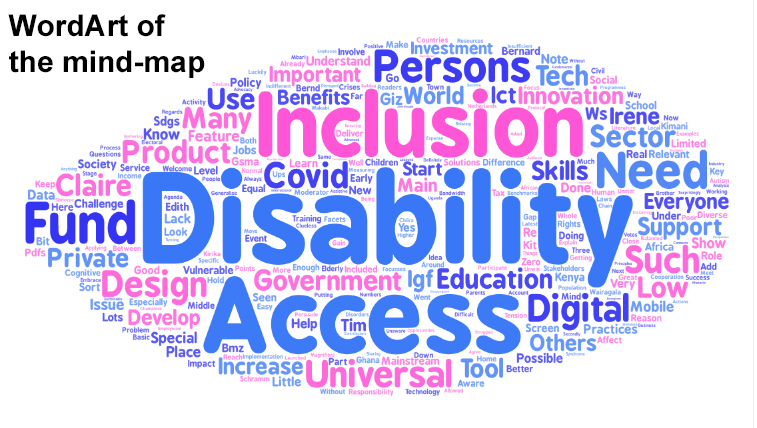
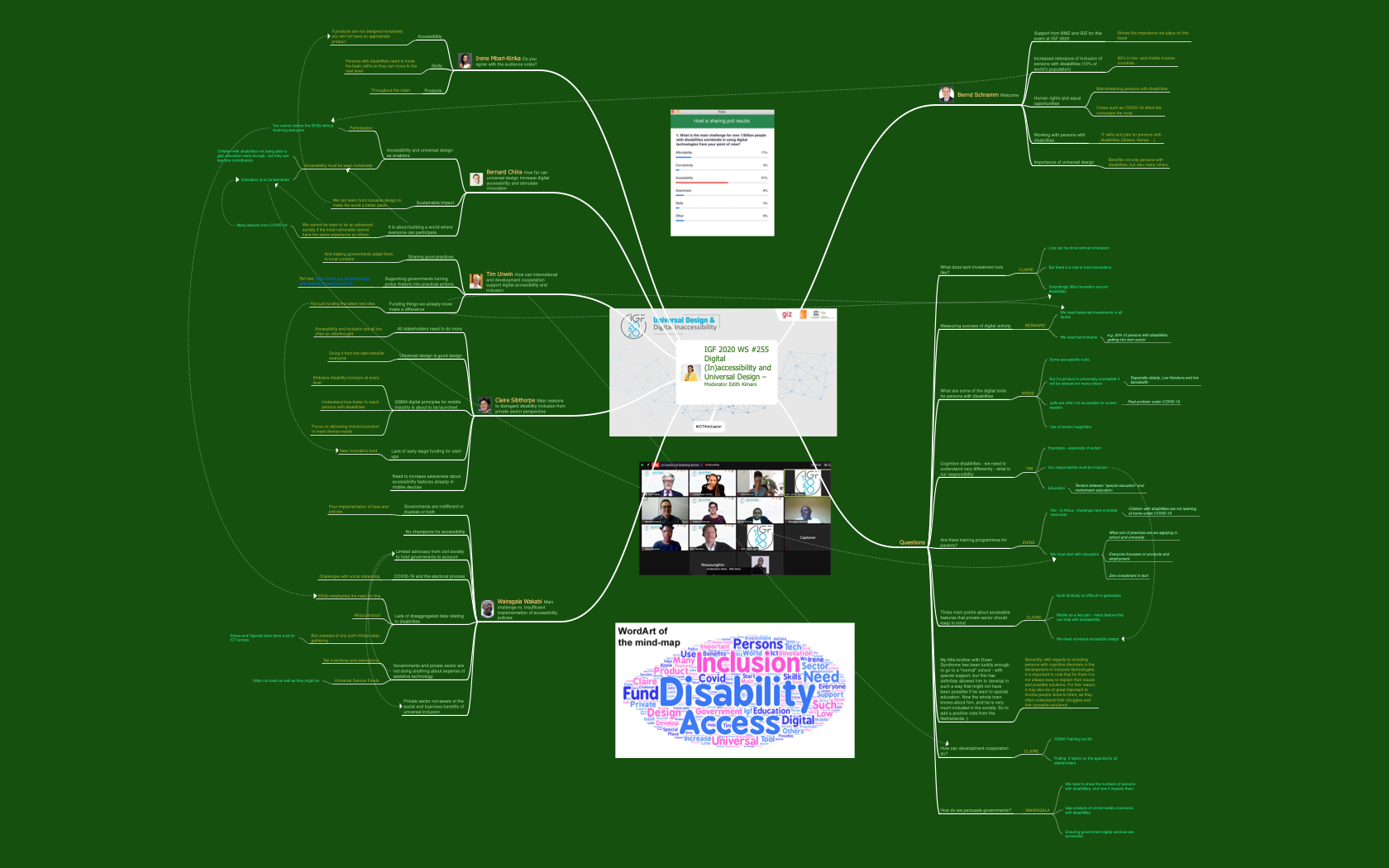
As part of the workshop we wanted to produce an output that others could use in their own work, and so have crafted a mind-map in various formats that we hope will be of use to everyone committed to working with persons with disabilities to ensure universal digital inclusion. A WordArt summary of everything in the mind-maps is also shown below:
The mind map that includes summaries of all the individual presetnations as well as responses to the questions asked during the workshop is available below in various formats:
- .pdf of original mind-map
- .jpg of original mind-map
- .pdf of contrasted white text on dark green background (for those with visual impairments)
- .jpg of contrasted white text on dark green background (for those with visual impairments)
- .rtf version of text contained in mind-map (black text on white background for those using text-to-speech software) is also available on request from the UNESCO Chair in ICT4D’s contacts page
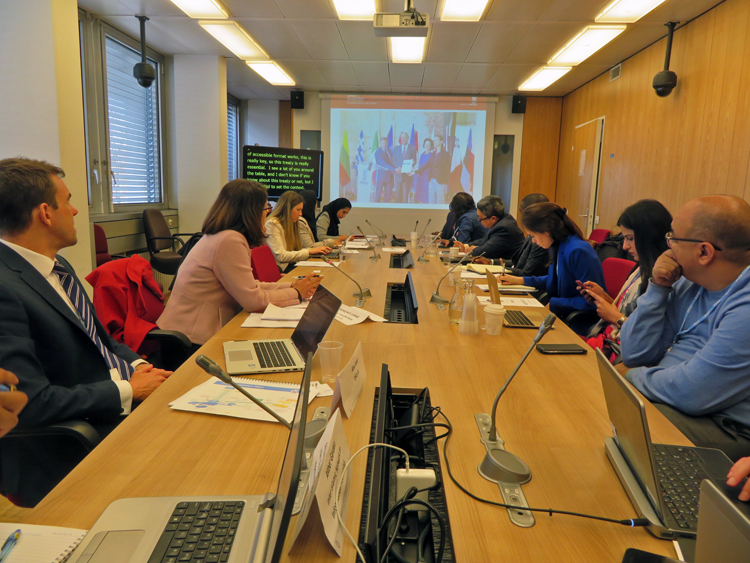 It was great to be part of the UNESCO Chair in ICT4D team working with our colleagues at the Inter-Islamic Network on Information Technology (
 This was an opportunity for me to explore the relevance to the European context of some of my ideas about ICTs and inequality gleaned from research and practice in Africa and Asia. In essence, my argument was that we need to balance the economic growth agenda with much greater focus on using ICTs to reduce inequalities if we are truly to use ICTs to support greater European integration. To do this, I concluded by suggesting that we need to concentrate on seven key actions: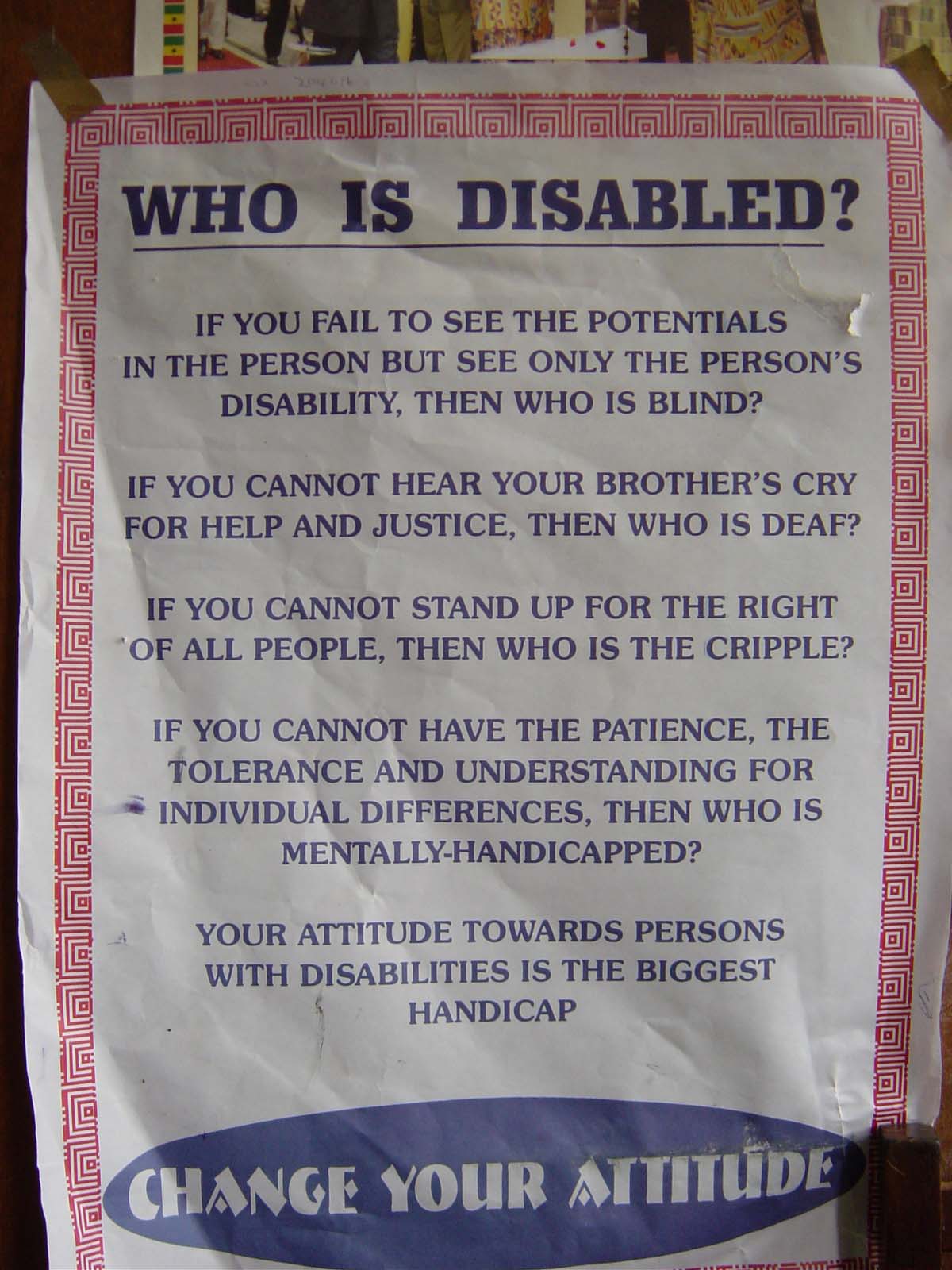
 people with disabilities are often much more expensive than the standard computers and mobile ‘phones that most of us take for granted. In large part, this is because of relatively low demand for assistive technologies.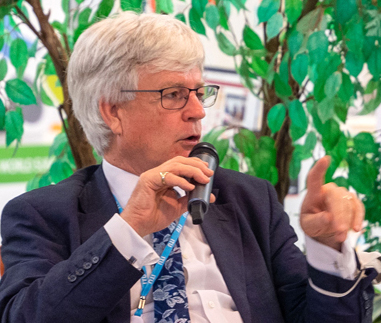

 Tim Unwin's Blog