
The Hungarian government arranged an extraordinary drone display last night as part of their generous hospitality for this year’s ITU Telecom World event in Budapest. I have never seen anything quite like it, and I hope the photos below provide just a glimpse into the technical and artistic success of this occasion.
So many thoughts sprang to mind! In the future, drone displays may well take over from fireworks and laser shows! But more worryingly, just imagine that each drone carried a small explosive payload, that the drones had facial and gait recognition capabilities, and that they were programmed autonomously to track you down… There are many different futures: we need to ensure that the negatve aspects of digital technologies are mitigated, so that their positive aspects can flourish.
It is without doubt appropriate to thank HE Mr. István Manno, Head of the Protocol Department of the Ministry of Foreign Affairs and Trade of Hungary for his indefatigable work to ensure the strongest possible relationships between the ITU and the Government of Hungary, and especially for all of his efforts to make this evening event such a success.
 It was a great honour to have been invited – a few hours beforehand – to give one of the inaugural WSIS TalkX presentations last Thursday evening as


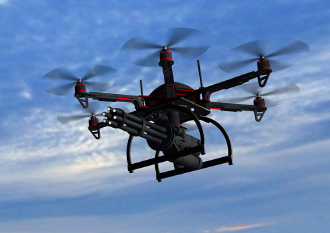


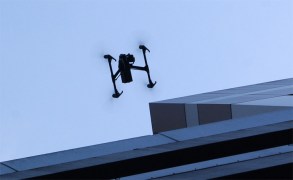 The arrival of relatively cheap drones (or unmanned aerial vehicles, UAVs) that can be purchased and used by people other than the military and civilian “authorities” raises fundamental questions about privacy and security. To be sure, there is good evidence of the positive role that drones can play, particularly in providing humanitarian assistance, and in delivering supplies to remote regions, but insufficient attention is paid to their darker side. Increasingly, countries such as the UK are wisely seeking to control the use of drones near airports (see for example


 Tim Unwin's Blog