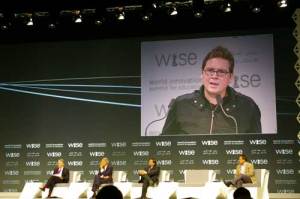
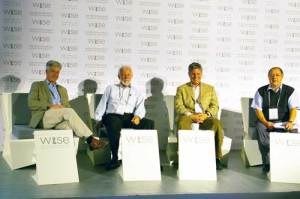
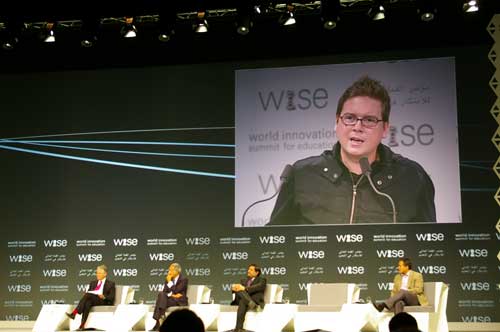
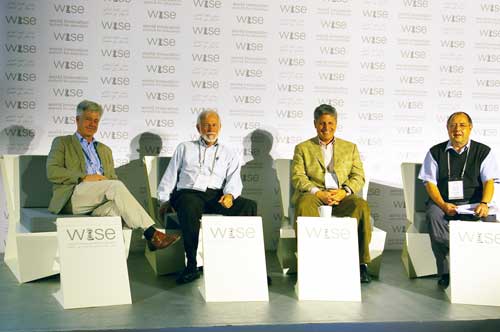
 I do not usually like big conferences and summits. All too often, people read prepared papers or speeches, and rarely inspire or speak from the heart. However, the World Innovation Summit for Education held in Doha from 16th-18th November was surprisingly different. Of course there were some fairly tedious presentations, but the Summit nevertheless did have a buzz about it. People were talking, really talking, about the importance of education, and what we might be able to do enhance its sustainability, pluralism and innovation across the world. There were also some really inspirational presentations – both by academics and by politicians!
However, the hosting of the conference by the Qatar Foundation, bringing together 1000 of the world’s leading educationalists, and giving awards to six outstanding examples of pluralism, sustainability and innovation in education, raised many interesting questions. Why has so little yet been done globally to deliver on agreed educational targets? As the 2009 Global Monitoring Report summarised, “Progress towards the EFA goals is being undermined by a failure of governments to tackle persistent inequalities based on income, gender, location, ethnicity, language, disability and other markers for disadvantage”.
 Three key inter-related issues come to mind:
- All too often education is now being treated as a private good – people are being encouraged to pay for education in the expectation that it will bring them advantages in their future lives. However, if we are to create a fairer, more equitable world, it is essential that education should be treated as a common rather than a private good. An educated population is an integral factor in helping to ensure good governance, equality of opportunity, peaceful co-existence, and innovative solutions to poverty.
- One of the reasons why governments across the world continue to provide insufficient funding for education, may be because in recent years they have come to believe that education is no longer a common good, but is instead a private one. This enables governments to argue that people should pay for education themselves, rather than funding it from the common purse. Increasing fees for higher education in the UK are thus regularly justified by government ministers who argue that a degree brings increased lifetime earning capacity, and that individual students should therefore pay for it. However, such arguments may also underlie the reticence of many governments across the world to fund education sufficiently. Even though 23 countries contribute more than 7% of their GDP to public expenditure on education, 35 contribute less than 3%. We need to work through existing global mechanisms more effectively to help ensure that all states fund education appropriately, so that all peoples can have equal and fair access to quality education.
- How, though, do we do this? How can we ensure that the enthusiasm and energy generated at events such as WISE is channeled effectively to initiatives that will actually make a difference? UNESCO has for long sought to promote the importance of education across the world, but has been beset by too high expectations and too low levels of funding to have been able to make the impact that many of its staff would like to see. How do we turn the energy that the Qatar Foundation released at WISE into systemic change?
Four more quirky observations from WISE:
- I did not hear anyone publicly thank the French agency \Auditoire who did all of the organisation of the Summit on behalf of the Qatar Foundation. They were quite outstanding, and much of the success of the Summit was undoubtedly due to the experienced and dedicated team that they had in place. Well done to all involved!
 Carla Bruni attended – was I the only one who was left decidedly unimpressed?
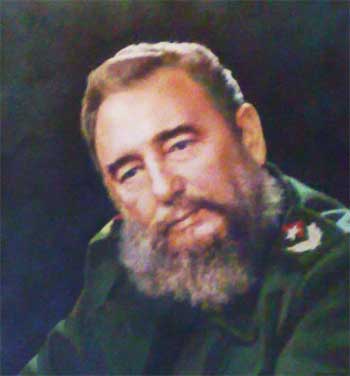
- Fidel Castro is alive and well in Doha – and can occasionally be seen in the Habanos bar in the Ritz Carlton – he did, though, look remarkably young – definitely in his prime! But, it was nevertheless strange to see him there
- I always thought that the role of a good master/mistress of ceremonies was to ensure that everything keeps to time, that the speakers and participants are able to shine, and that they should do so by being almost invisible themselves. It would appear that Nima Abu-Wardeh had been given a different set of instructions – or perhaps she simply had other ideas!
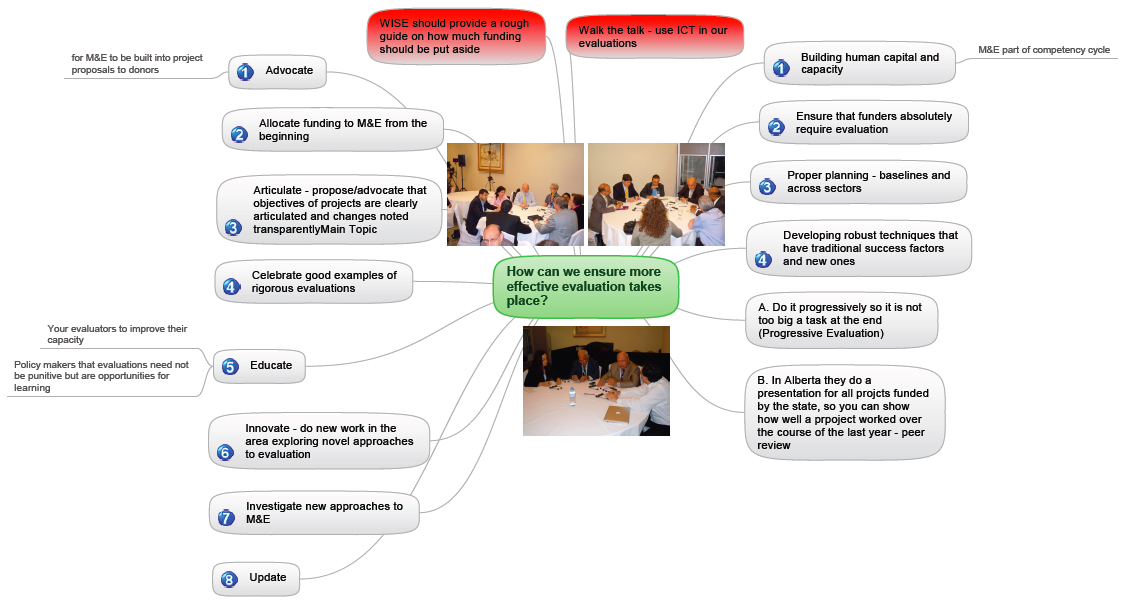
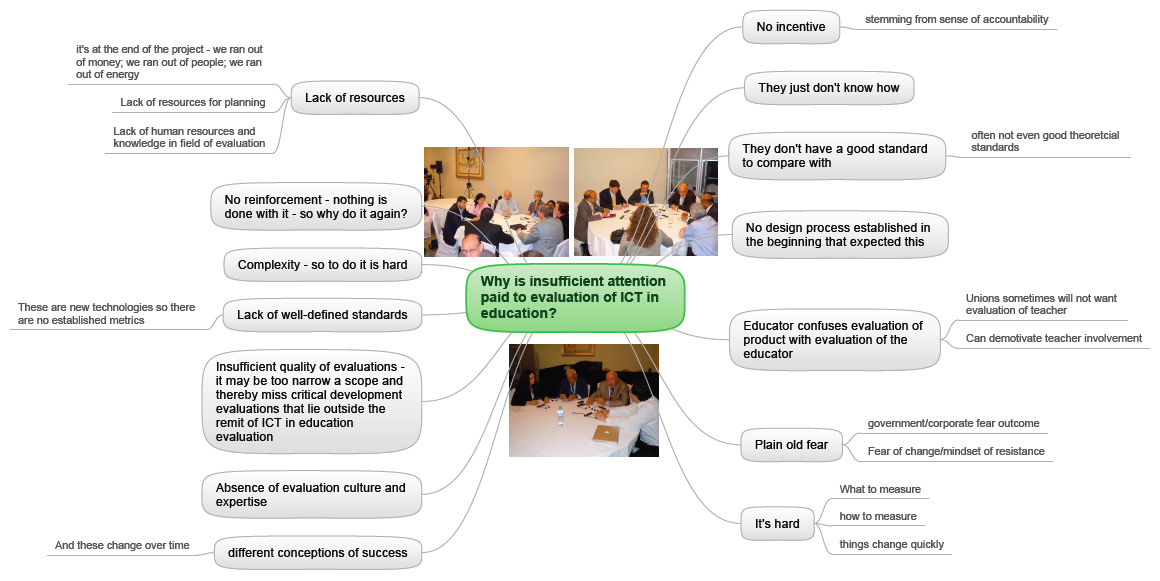
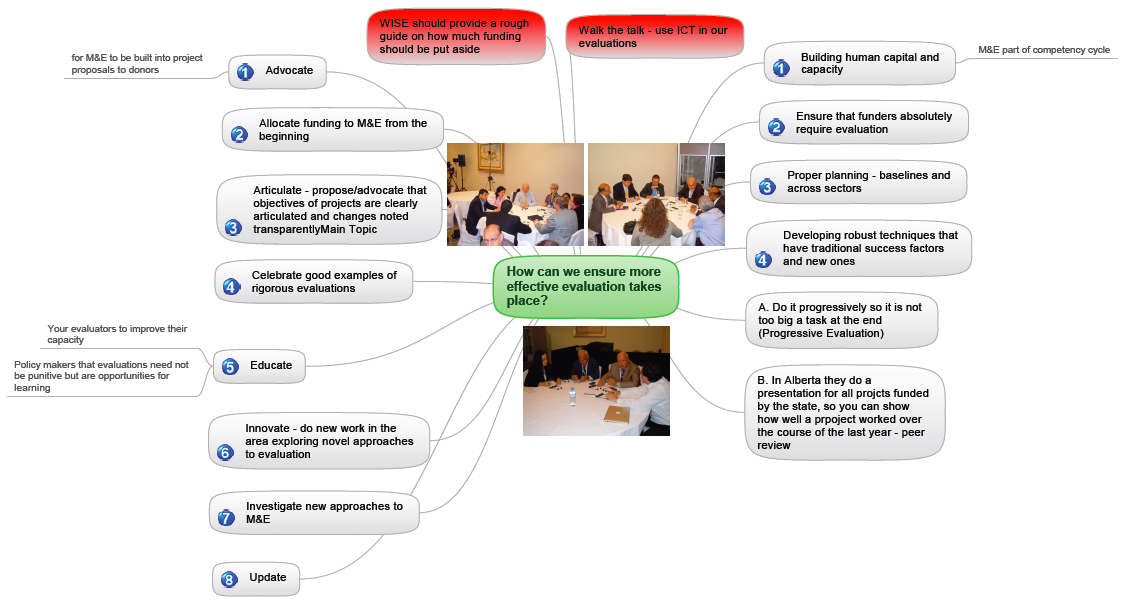
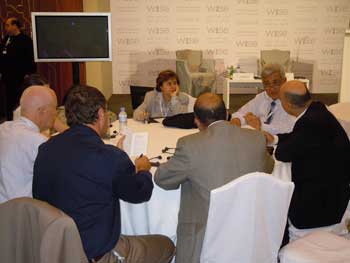 The second WISE (World Innovation Summit for Education) summit provided an opportunity for colleagues from Education Impact to host a lively and highly participatory workshop designed to contribute to more effective monitoring and evaluation of ICT in education activities, focusing particularly on developing countries.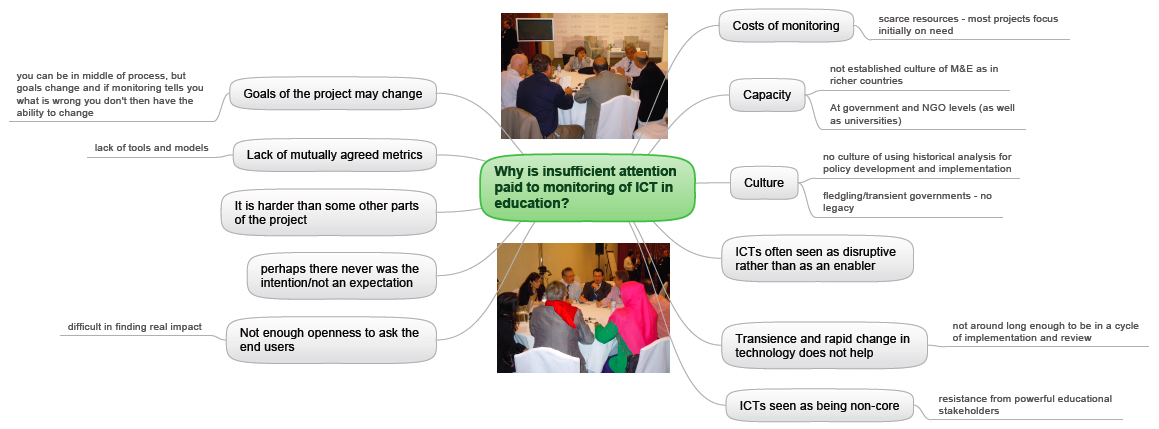

 The Qatar Foundation has recently announced the launch of its WISE

 Tim Unwin's Blog