Category Archives: ICT4D

The attitudes and behaviours of men towards women and technology in Pakistan

Gender digital equality, however defined, is globally worsening rather than improving.[1]  This is despite countless initiatives intended to empower women in and through technology.[2]  In part, this is because most such initiatives have been developed and run by and for women.  When men have been engaged, they have usually mainly been incorporated as “allies” who are encouraged to support women in achieving their strategic objectives.[3]  However, unless men fundamentally change their attitudes and behaviours to women (and girls) and technology, little is likely to change.  TEQtogether (Technology Equality together) was therefore founded by men and women with the specific objective to change these male attitudes and behaviours.  It thus goes far beyond most ally-based initiatives, and argues that since men are a large part of the problem they must also be an integral part of the solution.  TEQtogether’s members seek to identify the best possible research and understanding about these issues, and to incorporate it into easy to use guidance notes translated into various different languages.  Most research in this field is nevertheless derived from experiences in North America and Europe, and challenging issues have arisen in trying to translate these guidance notes into other languages and cultural contexts.[4]  TEQtogether is now therefore specifically exploring male attitudes and behaviours towards women and digital technologies in different cultural contexts, so that new culturally relevant guidance notes can be prepared and used to change such behaviours, as part of its contribution to the EQUALS global initiative on incresing gender digital equality.
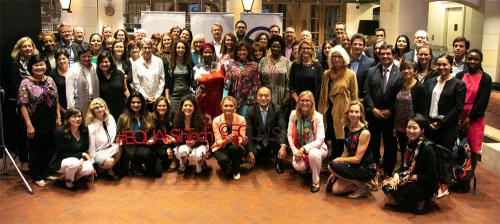
IMG_5561

Meeting of EQUALS partners in New York, September 2018

Pakistan is widely acknowledged to be one of the countries that has furthest to go in attaining gender digital equality.[5]  Gilwald, for example, emphasises that Pakistan has a 43% gender gap in the use of the Internet and a 37% gap in ownership of mobile phones (in 2017).[6]  Its South Asian cultural roots and Islamic religion also mean that it is usually seen as being very strongly patriarchal.[7]  In order to begin to explore whether guidance notes that have developed in Europe and North America might be relevant for use in Pakistan, and if not how more appropriate ones could be prepared for the Pakistani content, initial research was conducted with Dr. Akber Gardezi  in Pakistan in January and February 2020.  This post provides a short overview of our most important findings, which will then be developed into a more formal academic paper once the data have been further analysed.

Research Methods

The central aim of our research was better to understand men’s attitudes and behaviours towards women and technology in Pakistan, but we were also interested to learn what women thought men would say about this subject.[8]  We undertook 12 focus groups (7 for men only, 4 for women only, and one mixed) using a broadly similar template for both men and women, that began with very broad and open questions and then focused down on more specific issues.  The sample included university students and staff studying and teaching STEM subjects (Science, Technology, Engineering and Mathematics), tech start-up companies, staff in small- and medium-sized enterprises, and also in an established engineering/IT company.  Focus groups were held in Islamabad Capital Territory, Kashmir, Punjab and Sindh, and they were all approximately one hour in duration. We had ideally wanted each group to consist of c.8-12 people, but we did not wish to reject people who had volunteered to participate, and so two groups had as many as 19 people in them.  A total of 141 people participated in the focus groups.  The men varied in age from 20-41 and the women from 19-44 years old.  All participants signed a form agreeing to their participation, which included that they were participating  voluntarily, they could withdraw at any time, and they were not being paid to answer in particular ways.  They were also given the option of remaining anonymous or of having their names mentioned in any publications or reports resulting from the research.  Interestingly all of the 47 women ticked that they were happy to have their names mentioned, and 74 of the 94 men likewise wanted their names recorded.[9]  The focus groups were held in classrooms, a library, and company board rooms.  After some initial shyness and uncertainty, all of the focus groups were energetic and enthusiastic, with plenty of laughter and good humour, suggesting that they were enjoyed by the participants.  I very much hope that was the case; I certainly learnt a lot and enjoyed exploring these important issues with them.

This report summarises the main findings from each section of the focus group discussions: broad attitudes and behaviours by men towards the use of digital technologies by women; how men’s attitudes and behaviours influence women’s and girls’ access to and use of digital technologies at home, in education, and in their careers; whether any changes in men’s attitudes and behaviours towards women and technology are desirable, and if so how might these be changed.  In so doing, it is very important to emphasise that although it is possible to draw out some generalisations there was also much diversity in the responses given.  These tentative findings were also discussed in informal interviews held in Pakistan with academics and practitioners to help validate their veracity and relevance.

I am enormously grateful to all of the people in the images below as well as the many others who contributed to this research.

This slideshow requires JavaScript.

Men’s attitudes and behaviours towards the use of digital technologies by women in Pakistan

When initially asked in very general terms about “women” and “digital technology” most participants had difficulty in understanding what was meant by such a broad question.  However, it rapidly became clear that the overall “culture” of Pakistan was seen by both men and women as having a significant impact on the different ways in which men and women used digital technologies.  Interestingly, whilst some claimed that this was because of religious requirements associated with women’s roles being primarily in the sphere of the home and men’s being in the external sphere of work, others said that this was not an aspect of religion, but rather was a wider cultural phenomenon.

Both men and women concurred that traditionally there had been differences between access to and use of digital technologies in the past, but that these had begun to change over the last five years.  A distinction was drawn between rural, less well educated and lower-class contexts, where men tended to have better access to and used digital technologies more than women, and urban, better educated and higher-class contexts where there was greater equality and similarity between access to and use of digital technologies.

Whilst most participants considered that access to digital technologies and the apps used were broadly similar between men and women, both men and women claimed that the actual uses made of these technologies varied significantly.  Men were seen as using them more for business and playing games, whereas women used them more for online shopping, fashion and chatting with friends and relatives.  This was reinforced by the cultural context where women’s roles were still seen primarily as being to manage the household and look after the children, whereas men were expected to work, earning money to maintain their families.  It is very important to stress that variations in usage and access to technology were not always seen as an example of inequality, but were often rather seen as differences linked to Pakistan’s culture and social structure.

Such views are changing, but both men and women seemed to value this cultural context, with one person saying that “it is as it is”.  Moreover, there were strongly divergent views as to whether this was a result of patriarchy, and thus dominated by men.  Many people commented that although the head of the household, almost always a man, provided the dominant lead, it was also often the mothers who supported this or determined what happened within the household with respect to many matters, including the use of technology and education.

In the home, at school and university, and in the workplace

Within the home

Most respondents initially claimed that there was little difference in access to digital technologies between men and women in the home, although as noted above they did tend to use them in different ways.  When asked, though, who would use a single phone in a rural community most agreed that it would be a male head of household, and that if they got a second phone it would be used primarily by the eldest son.  Some, nevertheless, did say that it was quite common for women to be the ones who used a phone most at home.

Participants suggested that similar restrictions were placed on both boys and girls by their parents in the home.  However, men acknowledged that they knew more about the harm that could be done through the use of digital technologies, and so tended to be more protective of their daughters, sisters or wives.  Participants were generally unwilling to indicate precisely what harm was meant in this context, but some clarified that this could be harassment and abuse.[10] The perceived threats to girls and young women using digital technologies for illicit liaisons was also an underlying, if rarely specifically mentioned, concern for men.  There was little realisation though that it was men who usually inflicted such harm, and that a change of male behaviours would reduce the need for any such restrictions to be put in place.

A further interesting insight is that several of the women commented that their brothers are generally more knowledgeable than they are about technology, and that boys and men play an important role at home in helping their sisters and mothers resolve problems with their digital technologies.

At school and university

There was widespread agreement among both men and women that there was no discrimination at school in the use of digital technologies, and that both boys and girls had equal access to learning STEM subjects.  Nevertheless, it is clear that in some rural and isolated areas of Pakistan, as in Tharparkar, only boys go to school, and that girls remain marginalised by being unable to access appropriate education.
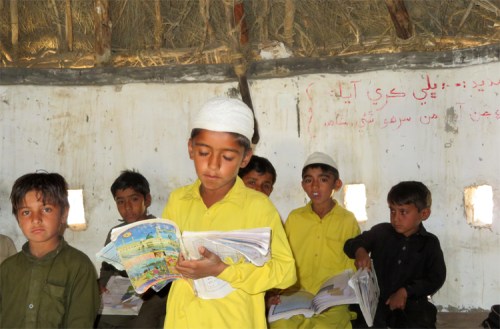
Boys in rural school in Tharparkar

Boys in rural school in Tharparkar

Furthermore, it was generally claimed that both girls and boys are encouraged equally to study STEM subjects at school, and can be equally successful.  Some people nevertheless commented that girls and boys had different learning styles and skill sets. Quite a common perception was that boys are more focused on doing a few things well, whereas girls try to do all of the tasks associated with a project and may not therefore be as successful in doing them all to a high standard.

There were, though, differing views about influences on the subjects studied by men and women at university.  Again, it was claimed that the educational institutions did not discriminate, but parents were widely seen as having an important role in determining the subjects studied at university by their children.  Providing men can gain a remunerative job, their parents have little preference over what degrees they study, but it was widely argued that traditionally women were encouraged to study medicine, rather than engineering or computer science.  Participants indicated that this is changing, and this was clearly evidenced by the number and enthusiasm of women computer scientists who participated in the focus groups.  Overall, most focus groups concluded with a view that generally men studied engineering whereas women studied medicine.

In the workplace

There is an extremely rapid fall-off in the number of women employed in the digital technology sector, even if it is true that there is little discrimination in the education system against women in STEM subjects.  At best, it was suggested that only a maximum of 10% of employees in tech companies were women.  Moreover, it was often acknowledged that women are mainly employed in sales and marketing functions in such companies, especially if they are attractive, pale skinned and do not wear a hijab or head-scarf.  This is despite the fact that many very able and skilled female computer scientists are educated at universities, and highly capable and articulate women programmers participated in the focus groups.
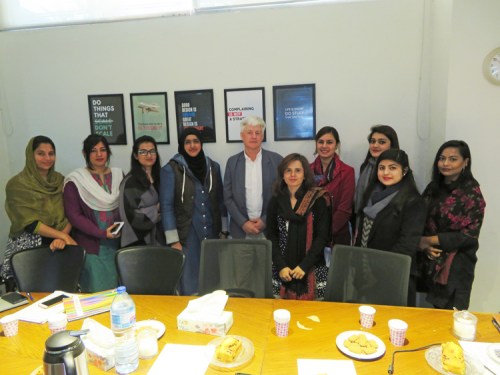
Women employed in the tech sector

Women employed in the tech sector in Pakistan

Part of the reason for this is undoubtedly simply the cultural expectation that young women should be married in their early 20s and no later than 25.  This means that many women graduates only enter the workforce for a short time after they qualify with a degree. Over the last decade overall female participation in the workforce in Pakistan has thus only increased from about 21% to 24%, and has stubbornly remained stable around 24% over the last five years.[11]

Nevertheless, the focus groups drilled down into some of the reasons why the digital technology sector has even less participation of women in it than the national average.  Four main factors were seen as particularly contributing to this:

  • The overwhelming factor is that much of the tech sector in Pakistan is based on delivering outsourced functions for US companies. The need to work long and antisocial hours so as to be able to respond to requests from places in the USA with a 10 (EST) – 13 (PST) hour time difference was seen as making it extremely difficult for women who had household and family duties to be able to work in the sector.  There was, though, also little recognition that this cultural issue might be mitigated by permitting women to work from home.
  • Moreover, both men and women commented that the lack of safe and regular transport infrastructure made it risky for women to travel to and from work, especially during the hours of darkness. The extent to which this was a perceived or real threat was unclear, and there was little recognition that most threats to women are in any case made by men, whose behaviours are therefore still responsible.
  • A third factor was that many offices where small start-up tech companies were based were not very welcoming, and had what several people described as dark and dingy entrances with poor facilities. It was recognised that men tended not to mind such environments, because the key thing for them was to have a job and work, even though these places were often seen as being threatening environments for women.
  • Finally, some women commented that managers and male staff in many tech companies showed little flexibility or concerns over their needs, especially when concerned with personal hygiene, or the design of office space, As some participants commented, men just get on and work, whereas women like to have a pleasant communal environment in which to work.  Interestingly, some men commented that the working environment definitely improved when women were present.

It can also be noted that there are very few women working within the retail and service parts of the digital tech sector.  As the picture below indicates this remains an environment that is very male dominated and somewhat alienating for most women.

tech

Digital technology retail and service shops in Rawalpindi

Changing men’s attitudes and behaviours towards women and technology

The overwhelming response from both men and women to our questions in the focus groups was that it is the culture and social frameworks in Pakistan that largely determine the fact that men and women use digital technologies differently and that there are not more women working in the tech sector.  Moreover, this was not necessarily seen as being a negative thing.  It was described as being merely how Pakistan is.  Many participants did not necessarily see it as being specifically a result of men’s attitudes and behaviours, and several people commented that women also perpetuate these behaviours.  Any fundamental changes to gender digital inequality will therefore require wider societal and cultural changes, and not everyone who participated in the focus groups was necessarily in favour of this.

It was, though, recognised that as people in Pakistan become more affluent, educated and urbanised, and as many adopt more global cultural values, things have begun to change over the last five years.  It is also increasingly recognised that the use of digital technologies is itself helping to shape these changed cultural values.

A fundamental issue raised by our research is whether or not the concern about gender digital equality in so-called “Western” societies actually matters in the context of Pakistan.  Some, but by no means all, clearly thought that it did, although they often seemed more concerned about Pakistan’s low ranking in global league tables than they did about the actual implications of changing male behaviour within Pakistani society.

Many of the participants, and especially the men, commented that they had never before seriously thought about the issues raised in the focus groups.  They therefore had some difficulty in recommending actions that should be taken, although most were eager to find ways through which the tech sector could indeed employ more women.  Both men and women were also very concerned to reduce the harms caused to women by their use of digital technologies.

The main way through which participants recommended that such changes could be encouraged were through the convening of workshops for senior figures in the tech sector building on the findings of this research, combined with much better training for women in technology about how best to mitigate the potential harm that can come to them through the use of digital technologies.

Following the main focus group questions, some of the participants expressed interest in seeing TEQtogether’s existing guidance notes.  Interestingly, they commented that many of the generalisations made in them were indeed pertinent in the Pakistani context, although some might need minor tweeking and clarification when translated into Urdu.

However, two specific recommendations for new guidance notes were made:

  • Tips for CEOs of digital tech companies who wish to attract more female programmers and staff in general; and
  • Guidance for brothers who wish to help their sisters and mothers gain greater expertise and confidence in the use of digital technologies.

These are areas that we will be working on in the future, and hope to have such guidance notes prepared in time for future workshops in Pakistan in the months ahead.

Several men commented that improving the working environment for women in tech companies, and enabling more flexible patterns of work would also go some way to making a difference.  Some  commented how having more women in their workplaces had already changed their behaviours for the better.


Acknowledgements

We are extremely grateful to colleagues in COMSATS University Islamabad (especially Dr. Tahir Naeem) and the University of Sindh (especially Dr. M.K. Khatwani) for facilitating and supporting this research.  We are also grateful to those in Riphah International University (especially Dr. Ayesha Butt) and Rawalpindi Women University (especially Prof Ghazala Tabassum), as well as those companies (Alfoze and Cavalier) who helped with arrangements for convening the focus groups.  Above all, we want to extend our enormous thanks to all of the men and women who participated so enthusiastically in this research.  It was an immense pleasure to work with you all.


[1] Sey, A. and Hafkin, N. (eds) (2019) Taking Stock: Data and Evidence on Gender Equality in Digital Access, Skills, and Leadership, Macau and Geneva: UNU-CS and EQUALS; OECD (2019) Bridging the Digital Gender Divide: Include, Upskill, Innovate, Paris: OECD;

[2] See for example the work of EQUALS which seeks to bring together a coalition of partners working to reduce gender digital equality.

[3] See for example, Manry, J. and Wisler, M. (2016) How male allies can support women in technology, TechCrunch; Johnson, W.B. and Smith, D.G. (2018) How men can become better allies to women, Harvard Business Review.

[4] Especial thanks are due to Silvana Cordero for her important contribution on the specific challenges of translation in Spanish in the Latin American context.

[5] Siegmann , K.A. (no date) The Gender Digital Divide in Rural Pakistan: How wide is it & how to bridge it? Sustainable Development Policy Institute (SDPI)/ISS; Tanwir, M. and Khemka, N. (2018) Breaking the silicon ceiling: Gender equality and information technology in Pakistan, Gender, Technology and Development, 22(2), 109-29; see also OECD (2019) Endnote 1.

[6] Gilwald, A. (2018) Understanding the gender gap in the Global South, World Economic Forum,

[7] Chauhan, K. (2014) Patriarchal Pakistan: Women’s representation, access to resources, and institutional practices, in: Gender Inequality in the Public Sector in Pakistan. New York: Palgrave Macmillan.

[8] This research builds on our previous research in Pakistan published as Hassan, B, and Unwin, T. (2017) Mobile identity construction by male and female students in Pakistan: on, in and through the ‘phone, Information Technologies and International Development, 13, 87-102; and Hassan, B., Unwin, T. and Gardezi, A. (2018) Understanding the darker side of ICTs: gender, harassment and mobile technologies in Pakistan, Information Technologies and International Development, 14, 1-17.

[9] All names will be listed with appreciation in reports submitted for publication.

[10] Our previous research (Hassan, Unwin and Gardezi, 2018) provides much further detail on the precise types of sexual abuse and harassment that is widespread in Pakistan.

[11] https://www.theglobaleconomy.com/Pakistan/Female_labor_force_participation/
5 Comments

Filed under Gender, ICT4D, Pakistan, research, Uncategorized

Inter Islamic Network on IT and COMSATS University workshop on ICT for Development: Mainstreaming the Marginalised

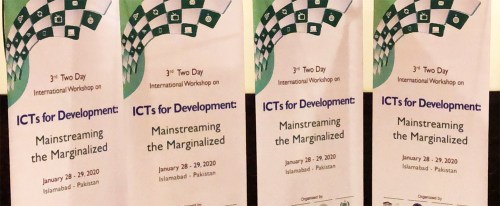
PostersThe 3rd ICT4D workshop convened by the Inter Islamic Network on IT (INIT) and COMSATS University in Islamabad, and supported by the UNESCO Chair in ICT4D (Royal Holloway, University of London) and the Ministry of IT and Telecom in Pakistan on the theme of Mainstreaming the Marginalised was held at the Ramada Hotel in Islamabad on 28th and 29th January 2020.  This was a very valuable opportunity for academics, government officials, companies, civil society organisations and donors in Pakistan to come together to discuss practical ways through which digital technologies can be used to support  economic, social and political changes that will benefit the poorest and most marginalised.  The event was remarkable for its diveristy of participants, not only across sectors but also in terms of the diversity of abilities, age, and gender represented.  It was a very real pleasure to participate in and support this workshop, which built on the previous ones we held in Islamabd in 2016 and 2017.

The inaugural session included addresses by Prof Dr Raheel Qamar (President INIT and Rector COMSATS University, Islamabad), Mr. Shoaib Ahmed Siddiqui (Federal Secretary Ministry of IT & Telecom) and Dr. Tahir Naeem (Executive Director, INIT), as well as my short keynote on Digital Technologies, Climate Change and Sustainability.  This was followed by six technical sessions spread over two days:

  • Future of learning and technology
  • Policy to practice: barriers and challenges
  • Awareness and inclusion: strategizing through technology
  • Accessibility and Technology: overcoming barriers
  • Reskilling the marginalised: understandng role reversals
  • Technical provisio: indigenisation for local needs.

These sessions included a wide diversity of activities, ranging from panel sessions, practical demonstrations, and mind-mapping exercises, and there were plenty of opportunities for detailed discussions and networking.

Highlights for me amongst the many excellent presentations included:

  • Recollections by Prof Abdful Mannan and Prof Ilyas Ahmed of the struggles faced by people with disabilities in getting their issues acknowledged by others in society, and of the work that they and many others have been doing to support those with a wide range of disabilities here in Pakistan
  • The inspirational presentations by Julius Sweetland of his freely available Open Source Optikey software enabling those with multiple disbilities to use only their eyes to write and control a keyboard
  • Meeting the young people with Shastia Kazmi (Vision 21 and Founder of Little Hands), who have gained confidence and expertise through her work and are such an inspiration to us all in continuing our work to help some of the pooorest and most marginalised to be empowered through digital technologies.
  • The very dynamic discussions around practical actions that we can all take to enable more inclusive use of  digital technologies (mindmaps of these available below)

Enormous thanks must go to Dr. Tahir Naeem (COMSATS University and Executive Director of INIT) and his team, especially Dr. Akber Gardezi and Atiq-ur-Rehman, for all that they did to make this event such a success.

A shortened version of this workshop was also subsequently held on Monday 3rd February at the University of Sindh in Jamshoro, thanks to the support and facilitation of Dr. Mukesh Khatwani (Director of the Area Study Centre for Far East and Southeast Asia) and his colleagues.  This also focused on the practical ways through which some of the most marginalised can benefit from the appropriate use of digital technologies, and it was once again good to have the strong involvement of persons with disabilities.

Quick links to workshop materials and outputs:


Leave a comment

Filed under Climate change, Conferences, Environment, Gender, ICT4D, ICT4D conferences, Pakistan, Uncategorized

Digital technologies and climate change, Part III: Policy implications towards a holistic appraisal of digital technology sector

This is the third of a trilogy of posts on the interface between digital technologies and “Climate Change”.  Building on the previous discussion of challenges with the notion of “climate change” and the anti-sustainability practices of the digital technology sector, this last piece in the trilogy suggests policy principles that need to be put in place, as well as some of the complex challenges that need to be addressed by those who do really want to address the negative impact of digital technologies on the environment.

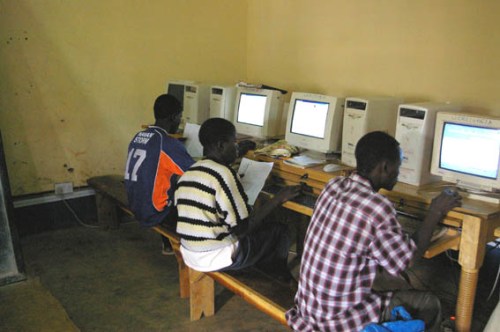
Telecentre small

To be sure, various global initiatives have been put in place to try to address some of the challenges noted above, and the impact of digital technologies on “Climate Change” is being increasingly recognised, although much less attention is paid to its impact on wider aspects of the environment.  One challenge with many such global initiatives is that they have tended to suffer from an approach that fragments the fundamental problems associated with the environmental impact of digital technologies into specific issues that can indeed be addressed one at a time.  This is problematic, as noted in the previous two parts of this commentary, because addressing one issue often causes much more damage to other aspects of the environment.

As I have noted elsewhere,[i] the Global e-Sustainability Initiative (GeSI) is one of the most significant such initiatives, having produced numerous reports, as well as a Sustainability Assessment Framework (SASF) that companies and organisations can use to evaluate their overall sustainability.  This has three main objectives:

  • “Strengthen ICT sector as significant player for achieving sustainable development goals
  • Enable companies to evaluate and improve their product portfolios with a robust and comprehensive instrument
  • Address sustainability issues of products and services in a coherent manner providing the basis for benchmarking and voluntary agreements”.[ii]

However, GeSI is made up almost exclusively of private sector members, and is primarily designed to serve corporate interests as the wording of the above objectives suggests.  Typically, for example, it has shown clearly how companies can reduce their carbon imprint,[iii] and many are now beginning to do so quite effectively, but the unacknowledged impact of their behaviour on other aspects of the environment is often down-played.  Little of their work has, for example, yet included the impact of satellites on the environment.  Likewise, it has failed to address the fundamentally anti-sustainable business model on which much of the sector is based.

Similarly, civil society organisations have also tended to fragment the digital-environment into a small number of parts for which it is relatively easy to gather quantifiable data. Thus, Greenpeace’s greener electronics initiative focuses exclusively on energy use, resource consumption and chemical elimination.[iv] These are important, though, showing that most digital companies that they analysed have a very long way to go before they could be considered in any way “green”; in 2017 only Fairphone (B) and Apple (B-) came anywhere near showing a shade of green in their ranking.  Recent work by other organisations such as the carbon transition think tank The Shift Project has also begun to suggest ways through which ICTs can become a more effective part of the solution to the environmental impact of ICTs rather than being part of the problem as it is at present, although usually primarily from a carbon-centric perspective focusing on climate change.[v]

These observations, alongside those in Parts I and II, give rise to at least seven main policy implications:

Above all, it is essential that a much more holistic approach is adopted to policies and practices concerning the environmental impact of digital technologies.

These must go far beyond the current carbon fetish and include issues as far reaching as landscape change, the use of satellites and the negative environmental impacts of renewable energy provision.  There is a long tradition of research and practice on Environmental Impact Analysis that could usefully be drawn upon more comprehensively in combination with the ever-expanding, but more specific, attention being paid purely to “Climate Change”.

Such assessments need to weigh up both the positive and the negative environmental impacts of digital technologies.

This issue is discussed further below, but there needs to be much more responsible thinking about how we evaluate the wider potential impact of one kind of technology, which might do harm directly, although offering some beneficial solutions more broadly.

The fundamental anti-sustainability business models and practices of many companies in the digital technology sector must be challenged and changed.

The time has come for companies that claim to be doing good with respect to carbon emissions, but yet remain bound by a business approach that requires ever more frequent new purchases, need to be called to task.  Companies that maintain restrictive policies towards repairing devices must be challenged.  Mindsets need to change so that there is complete re-conceptualisation of how consumers and companies view technology.  Laptops, tablets and phones should, for example, be designed in ways that could allow them to be kept in use for a decade rather than a few years.  Until then, much of the rhetoric about ICTs contributing to sustainable development remains hugely hypocritical.

There needs to be fundamental innovation in the ways that researchers and practitioners theorize and think about the environmental impact of digital technologies.

It will be essential for all involved to create new approaches and methodologies in line with the emphasis on a holistic approach to understanding the environmental impact of digital technologies noted above.  Only then will it be possible to avoid the piecemeal and fragmented approach that still dominate today, and thus move towards the use of technologies that can truly be called sustainable.

In turn, it is likely that such new theorizing will have substantial implications for data.

Much work on the climate impact of digital technologies is shaped by existing data that have already been produced. New models and approaches are likely to require new data to be created.

It is important that there is open and informed public debate about the real impacts of digital technologies on the wider environment, and not just on climate.

The vested interest of companies, still driven by their unsustainable practices, against such debate are huge.  However, if consumers could better understand the environmental damage caused by the digital technology system, they would be able to make improved choices about the sorts of technology they use, and how long they keep it for before replacing it.  This is why the work or organisations such as the Restart Project is so important.[vi]

Government action and international agreements are essential.

There is insufficient good evidence that the private sector will regulate itself sufficiently to make the fundamental changes necessary. Government action and international agreement are therefore essential elements of an integrated approach to the wiser use of digital technologies.  The European Union’s recent steps in 2019 concerning the right to repair are a beginning to move in this direction,[vii] but much more comprehensive action is necessary.  International organisations such as the International Telecommunication Union have a key role to play here, but their increasing alliance with private sector companies to fund their activities and their determination to show that the sector is indeed delivering on the Sustainable Development Goals make it difficult for them to respond to the extent required.  Leaders and Ministers in small island states, who are likely to be impacted most imminently by sea level change, might well be able to play an important role in sensitising the wider global community to the importance of these agendas.

The creation of a multi-sector commission

We can no longer rely on private sector funded and led entities to shape the global dialogue on the environmental impact of digital technology.[viii] If there is sufficient will in the international community, a strong case can be made for the creation of a new multi-sector global commission or similar such body to address these issues.  Amongst other things, this could shape the necessary holistic approach, disseminate reliable and trustworthy knowledge, commission new research, present unbiased conclusions, and advise governments on the actions they need to take to ensure that digital technology is developed wisely and environmentally responsibly.


This trilogy has been written to raise awareness of some of the challenges and issues relating to the impact of digital technology on the environment. It is by no means comprehensive, and many important issues have not been addressed.  Amongst the most significant of these are questions around the balance between serving broader good while doing localised harm.  For example, is it acceptable to use digital technologies that do indeed cause environmental harm, if such use actually reduces significant environmental harm caused by other economic or cultural activities?  Such questions are of profound importance, and can only be resolved effectively through ethical considerations and people’s moral agendas. There needs to be widespread public debate as to the kind of future we wish to create.  I have addressed some of these in my previous work, but they remain worthy of a much more comprehensive analysis.[ix]


It is time to unmask the hypocrisy of those shaping a future of anti-sustainable digital technologies whilst claiming that they contribute to sustainable development.  It is not yet too late to reject the false promises of the digital barons, and reclaim our full sentient experience of the physical environment. It is not yet too late to reject the digital slavery that they seeking to impose on us.  It is not yet too late for us to reclaim our role as guardians of our planet’s future.


[i] Unwin, T. (2017) ICTs, sustainability and development: critical elements, in: Sharafat, A. and Lehr, W. (eds) ICT-Centric Economic Growth, Innovation and Job Creation, Geneva: ITU, 37-71

[ii] https://gesi.org/platforms/sustainability-assessment-framework-sasf-1

[iii] Much of GeSI’s work has been driven by the need for companies to respond to the Carbon fetish, with its latest statements on ways through which the sector can deliver the 2030 sustainability agenda being replete with mentions of CO2 https://smarter2030.gesi.org/the-opportunity/.

[iv] See https://www.greenpeace.org/archive-international/en/campaigns/detox/electronics/Guide-to-Greener-Electronics/. See also Greenpeace’s (2017) Guide to Greener Electronics, https://www.greenpeace.org/usa/wp-content/uploads/2017/10/Guide-to-Greener-Electronics-2017.pdf.

[v] The Shift Project (2019) Lean ICT – Towards Digital Sobriety, https://theshiftproject.org/wp-content/uploads/2019/03/Lean-ICT-Report_The-Shift-Project_2019.pdf.

[vi] https://therestartproject.org/

[vii] https://ec.europa.eu/commission/presscorner/detail/en/IP_19_5895

[viii] Although GeSI has produced much interesting work, its private sector focus means that it is by no means impartial.  Eight of its Board members, for example, are drawn from the private sector, with the ninth being a representative of the ITU; most of its staff have an industry background; and almost all of its members and partners are private sector companies or entities.

[ix] Unwin, T. (2017) Reclaiming ICT4D, Oxford: Oxford University Press.

4 Comments

Filed under Climate change, digital technologies, ICT4D, Sustainability, Uncategorized

Digital technologies and climate change, Part II: “Unsustainable” digital technologies cannot deliver the Sustainable Development Goals

This is the second of a trilogy of three posts about the interface between digital technologies and climate change.  It argues that the current design and use of digital technologies are largely based on principles of un-sustainability, and are therefore having a seriously damaging impact on the environment.  The digital technology industry is one of the least sustainable and most environmentally damaging industrial sectors in the modern world.  Its leaders have long been unwilling to face up to the challenges, and continue to focus primarily on the claim that they are contributing significantly to delivering the so-called Sustainable Development Goals.[i]  If digital technologies are indeed to do “good”, especially with respect to the physical environment that sustains us all, it is time for a dramatic rethink of all aspects of the sector’s activities.

Four areas of particular concern need to be highlighted:

Redundancy and unsustainability

Redundancy and unsustainability are frequently built centrally into the digital technology business model. At least three key issues can be noted here:

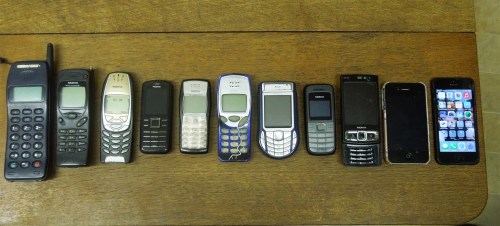
  • Most of the sector is based on the fundamental concept of replacement rather than repair. Those old enough will remember fixed line telephones that lasted virtually for ever.  Now, many people replace their mobile phones at least every two years.  New models come out; new fashions are promoted.  To be sure there is a growing mobile phone and digital repair sector emerging in many poorer countries, but the fundamental business model across the sector is based on innovation to attract people to buy the latest new technology, rather than to build technology that can be re-used.  Initiatives, such as Restart,[ii] are thus incredibly important in trying to change the mentality of consumers, and thereby companies and governments.  They note that: the average mobile creates 55 kilograms of carbon emissions in manufacture, equal to 26 weeks of laundry; 1.9 billion mobile phones were projected to be sold in 2018, and their total carbon footprint in manufacture was at least equal to the Philippines’ annual carbon emissions, a country of over 100 million people; if we used every phone sold this year for 1/3 longer, we would prevent carbon emissions equal to Ireland’s annual emissions.[iii] Yet, many digital companies, especially Apple, have for a long time fought against enabling consumers to repair their own devices or have them repaired more cheaply elsewhere.[iv]
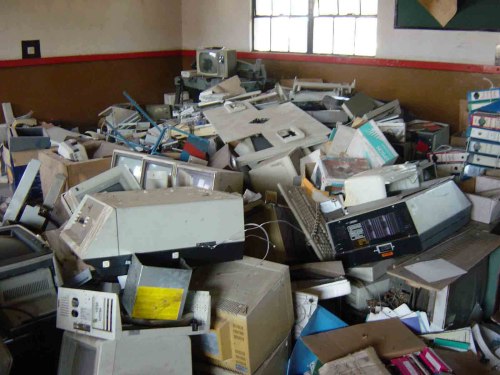
  • The hardware-software development cycle forces users to upgrade their equipment on a regular basis. Innovation in the digital technology sector means that hardware developments often make old software unusable on newer devices, and new software (particularly operating systems) requires newer hardware on which to run.  Inevitably, the consumer has to pay more to replace equipment or hardware with which they were previously perfectly happy.  Not only does this increase the profits to the companies at the expense of consumers, but it also leads to massive redundancy with older equipment frequently simply being thrown away.  This is scarcely sustainable.Computer waste in Starehe Boys' School, Nairobi in the early 2000s
  • The net effect is that despite efforts to recycle digital technology, e-Waste remains a fundamental problem for the sector. Much e-waste contains concentrated amounts of potentially harmful products, and this shows little sign of abating.  In 2014 41.8 million tons of discarded electrical and electronic waste was produced, which represented some US$ 52 billion of potentially reusable resources, little of which was collected for recycling.[v] Reports in 2019 suggested that there were currently just under 50 million tonnes of e-waste, with only 20% of it being dealt with appropriately.[vi]  In recent years a substantial trade has developed whereby poorer countries of the world have become dumps for such waste, with severe environmental damage resulting.[vii] Whilst waste-processing communities such as Guiyu in China[viii] have developed to gain economic benefit from e-waste, and recycling can help provide a partial solution for many materials, the fundamental point remains that the sector as a whole is built on a model that generates very substantial waste, rather than one that is focused inherently on sustainability.[ix]

Mobiles

Digital technologies are one of the main reasons for rising global electricity demand.

Digital technology, almost by definition, must have electricity to function, and as industry and society become increasingly dependent on electricity for production, exchange and consumption, the demand for electricity continues to rise.  Moreover, most electricity production globally is currently generated by coal-fired power stations, which has led authors such as Lozano to claim that “The Internet is the largest coal-fired machine on the planet”.[x]  Four interconnected examples can be given of the scale of this environmental impact.

  • As noted briefly above, much more electricity is often consumed in manufacturing digital devices than in their everyday use. A startling report by Smil in 2016 thus noted that in 2015 all the cars produced in the world weighed more than 180 times the weight of all portable electronic equipment made that year, but only used 7 times the amount of energy in their production.[xi]
  • The overall demand for electricity from the digital technology sector is growing rapidly. Smil goes on to note that ICT networks used about 5% of the world’s electricity in 2012, and this is predicted to rise to 10% by 2020,[xii] and to 20% by 2025.[xiii] Most measures of electricity demand focus on the direct uses of digital technology, such as powering servers, equipment and charging mobile devices (phones, tablets, and laptops), but indirect demand must also be recognised, notably the air-conditioning required to reduce the temperature of places running digital technology. The heat generated by such technologies is also actually an indication of their inefficiency.[xiv]  For example, two-thirds of the power used by mobile base stations is wasted as heat.[xv] If digital technologies were designed to use energy more efficiently, rather than as something to be wasted, then this dramatic increase might be somewhat curtailed.  However, the increased emphasis on data storage, management and analysis, and the ever-growing demand for data-streaming, does not seem likely to fall in the foreseeable future, and thus much more energy efficient systems need to be put in place to manage these processes.[xvi]
  • Specific new technologies, notably blockchain, have been developed with little regard for their electricity demand and thus their environmental impact. The dramatic impact that blockchain has on electricity demand is now beginning to be more widely realised.[xvii]  For example, in 2017 the World Economic Forum even posted an article that suggested that “by 2020, Bitcoin mining could be consuming the same amount of electricity every year as is currently used by the entire world”.  Currently at the start of 2020, Bitcoin alone has a carbon footprint of 34.73 Mt CO2 (equivalent to the carbon footprint of Denmark), it consumes 73.12 TWh of electrical energy (comparable to the power consumption of Austria), and it produces 10.95 kt of e-waste (equivalent to that of Luxembourg).[xviii]  The demand is simply driven by the design of Bitcoin technology which relies on miners frequently adding new sets of transactions to its blockchain, and then all miners confirming that transactions are indeed valid through the proof-of work algorithm.  The machines that do this require huge amounts of energy to do so.  Those who like to argue that blockchain more generally can contribute positively to achieving the Sustainable Development Goals, usually fail to recognise that such technology systems are inherently very demanding of energy and can scarcely be called sustainable themselves.
  • Future projections relating to Smart Cities, 5G and the Internet of Things give rise to additional concerns over energy demand. There is much uncertainty about the environmental costs and benefits of upcoming developments in digital technology, and some efforts are indeed being made to reduce the rate of increase of energy demands. In the case of 5G, for example, the necessary denser networks will place much heavier demands on electricity unless more energy efficient technologies are put in place.[xix]  Likewise, the massive roll-out of the Internet of Things has the potential dramatically to increase energy use, not least through the management of the vast amount of data that will be produced.  Yet there are advocates who also argue that the use of these technologies will actually enable more efficient systems to be introduced.[xx]  On balance, it is certain that most of these new technologies will themselves generate greater electricity demand, but only likely or possible that systems will be introduced to mitigate such increases.  There needs to be a fundamental shift so that those designing new digital technologies in the future do so primarily based on environmental considerations.  An alternative might be for governments and regulators across the world to start now by imposing very substantial penalties on technology developers who fail to do so.

Exploitation of the environment

The exploitation of many rare minerals is unsustainable environmentally and frequently based on labour practices that many see as lacking moral integrity. Two aspects are important here.

  • First, most digital technologies rely on rare minerals that are becoming increasingly scarce. Many people are unaware, for example, that a mobile phone contains more than a third of the elements in the Periodic Table.[xxi]  Minerals such as Cobalt, the 17 rare earth elements, Gallium, Indium and Tungsten are becoming more and more in demand, and as supply is limited prices have often increased significantly.  They can also fluctuate dramatically.  Above all, as these minerals become depleted, new technological solutions will be needed to replace them.
  • Second, though, the actual exploitation of such resources is often hugely environmentally damaging, and the use of child labour is considered by many as being unacceptable[xxii] – yet such people still buy phones! Mine tailings, open cast mining methods, and waste spillages are all commonplace.  Violence and conflict over ownership of the resources is also widespread, as are the negative health implications of many of the mining methods.  Similarly, frequent reports highlight the plight of children exploited in mining the minerals necessary for digital technologies, particularly so in the Democratic Republic of Congo.[xxiii]

Direct impacts on “Climate Change” and the environment

Finally, all of these issues have varying extents of direct impact on “Climate Change” and the environment. Often this is not immediately apparent, and frequently this impact is difficult to measure, since it involves weighing up different priorities.  It is here, though, that the “carbon fetish” associated with “Climate Change” referred to in Part I, is so damaging.  Moreover, the general perception that new digital technologies are somehow “good” and “green”, and that objects such as smartphones are somehow inherently beautiful, beguiles many consumers into believing that they cannot possibly harm the environment.  This section thus points to four areas where digital technologies do have a direct impact on the environment.

Tower

  • The carbon impact of the digital technology sector is considerably more than most people appreciate.[xxiv] It has been estimated, for example, that the ICT sector emits about 2% of global CO2 emissions, and has now surpassed the airline industry in terms of the levels of its impact.[xxv]  Others suggest that the digital sector will emit as much as 4% of total greenhouse gas emissions in 2020.  A recent headline catching comparison is that it has been estimated that the watching of pornographic videos generates as much CO2 as is emitted in countries such as Belgium, Bangladesh and Nigeria.[xxvi]  Given the global fetish around the significance of carbon, these figures should be a wake-up call, and indeed there is at last some increased attention being paid to trying to use renewable energy rather than fossil fuels to supply electricity to large elements of the digital technology sector, and especially data centres. Nevertheless, such shifts invariably cause other damaging environmental impacts as noted previously in Part I.
  • Whilst the adoption of renewable sources of energy would undoubtedly reduce the carbon impact of digital technologies, their negative side-effects must also be taken into consideration. As noted above in Part I, unanticipated consequences, as well as those that are clearly already known about, also need to be taken into account.   Moreover, the environmental impact of digital technologies is compounded by the enabling impacts that it has for even greater demands to be placed on electricity production.  For example, digital technologies are a crucial enabling element for smart motorways and self-driving electric cars.  Unless electricity for these cars and communication networks is produced from renewable sources the replacement of petrol and diesel cars by electric ones will have little impact on carbon emissions.  However, the shift to renewable production will lead to a very significant environmental impact through the construction of wind turbines and solar farms.  A 2017 report, for example, estimated that wind farms would need to cover the whole of Scotland to power Britain’s electric cars.[xxvii] Even if this is an exaggeration, it makes the point that there is indeed an environmental cost (not least in landscape impact) of such technologies.[xxviii]. Furthermore, many of these technologies are themselves not environmentally friendly.  Wind turbine blades, for example, cannot be recycled, and once they are no longer usable they are currently generally disposed of in landfill sites.
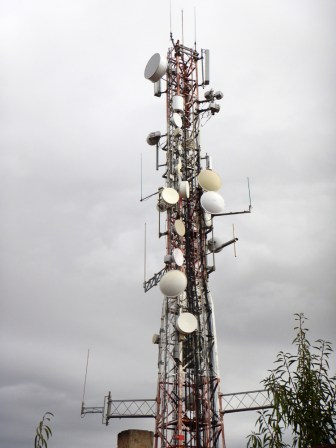
  • Mobile tower 2 CatalunyaThe impact of the large number of new cell towers and antennae that will be needed for 5G networks, as well as the buildings housing server farms and data centres also have a significant environmental impact. It is not just the electricity demands for cooling that matter, but the sheer size of data farms also has a significant physical impact on the environment.[xxix]   The average data centre covers approximately 100,000 sq ft of ground, but the largest noted in 2018 was at Langfan in China and covered some 6.3 million sq ft (which is equivalent to the size of the Pentagon in the USA).[xxx] Furthermore, uncertainties over the health impact of new 5G networks have led to serious concerns among some scientists, as with the 5G appeal to the EU signed by a group of 268 (as of December 2019) scientists and doctors concerned about the impact of RF-EMF, especially with the higher frequency wavelengths being used in the 5G roll-out at high densities in urban areas.[xxxi]  Whilst a majority of those involved in developing and installing such networks do not share these concerns, it is interesting that they have indeed gained some traction.[xxxii]

  • A final very important, but frequently ignored, environmental impact is the proliferation of satellites in space. Far too often, space is seen as having no relevance for environmental matters, rather like the oceans were once considered, but in reality space pollution is of very important significance.  The environmental impact of rockets that launch satellites into space has until recently scarcely been considered.  As noted in a commentary in 2017, “Nobody knows the extent to which rocket launches and re-entering space debris affect the Earth’s atmosphere”.[xxxiii]  The increasing problem of space congestion, though, is indeed now beginning to be taken seriously.  As of January 2019, it was estimated that there have been about 8950 satellites launched into space of which around 5000 were still in space, with only 1950 still functioning.[xxxiv]  The debris from satellites is potentially very hazardous, because every object of a reasonable size from a disintegrating satellite is potentially able to destroy another satellite.  The European Space Agency estimates that there are 34,000 objects >10 cm, 900,000 objects <10 cm and > 1 cm, and 128 million objects <1 cm and > 1mm currently in orbit.

This second part of the trilogy of posts on digital technologies and climate change has argued that the digital technology sector is very largely based on business models that have been designed specifically to be unsustainable.  Moreover, these technologies and their use have very significant impact both on the environment in general and also on the constituents of the Earth’s climate.  As these technologies become used much more widely their negative impacts will increase.

In concluding Part II, it is interesting to conjecture over the extent to which this has been a deliberate process by those involved in conceptualising, designing and selling these technologies, or whether more generously it is an unintended consequence of actions by people who simply did not know what they were doing with respect to the environment.  Digital technologies in many ways separate people from the physical environments in which they live.  This reaches its most extreme form in Virtual Reality, but every aspect of digital technology changes human experiences of the physical world.  Opening the envelope containing a letter is thus very different from opening an e-mail; receiving a digital hug is very different from receiving a physical hug from someone.  I cannot help but wonder whether digital technologies, by increasingly separating us from the “real world” physical environment of which we have traditionally been a part, actually also serve to prevent us from really seeing the environmental damage that they are causing.  It is as if these technologies are themselves preventing humans from understanding their environmental implications.  Someone living in a their own virtual reality in a smart home in a smart city bubble, being moved around in autonomous smart vehicles when required, and communicating at a distance with everyone, will perhaps no longer mind about the despoliation of hillsides, the flooding of valleys, the carving out of canyons to feed the machines’ craving for minerals…

For the third part of this trilogy, see Digital technologies and climate change, Part III: Policy implications towards a holistic appraisal of digital technology sector

[Updated 13 July 2020]


[i] See for example, Unwin, T. (2018) ICTs and the failure of the SDGs, https://unwin.wordpress.com/2018/04/23/icts-and-the-failure-of-the-sdgs/; and Sharafat, A. and Lehr, W. (eds) ICT-Centric Economic Growth, Innovation and Job Creation, Geneva: ITU.

[ii] https://therestartproject.org/

[iii] https://therestartproject.org/the-global-footprint-of-mobiles/

[iv] See for example https://www.vox.com/the-goods/2019/7/3/18761691/right-to-repair-computers-phones-car-mechanics-apple. Although increasing legislation is beginning to have an impact, and Apple did announce a shift of emphasis in late 2019 to make repair easier – https://www.circularonline.co.uk/news/apple-announces-out-of-warranty-iphone-repair-programme/.   The EU also passed significant legislation in late 2019 that emphasised the need for the “right to repair”, and included it in their Ecodesign Framework – https://ec.europa.eu/commission/presscorner/detail/en/IP_19_5895

[v] See https://unu.edu/news/news/ewaste-2014-unu-report.html

[vi] https://www.weforum.org/reports/a-new-circular-vision-for-electronics-time-for-a-global-reboot

[vii] Frazzoli, C., Orisakwe, O.E., Dragone, R. and Mantovani, A. (2010). Diagnostic health risk assessment of electronic waste on the general population in developing countries’ scenarios. Environmental Impact Assessment Review, 30: 388-399.

[viii] See for example http://www.environmentandsociety.org/arcadia/electronic-waste-guiyu-city-under-change

[ix] Note that the UN’s STEP (Solving The E-waste Problem) initiative is one attempt to address these issues at a global scale, although it is as yet having little impact.

[x] Lozano, K. (2019) Can the Internet survive Climate Change?, The New Republic, 18 Dedcemebr 2019, https://newrepublic.com/article/155993/can-internet-survive-climate-change

[xi] https://spectrum.ieee.org/energy/environment/your-phone-costs-energyeven-before-you-turn-it-on

[xii] https://spectrum.ieee.org/energy/environment/your-phone-costs-energyeven-before-you-turn-it-on

[xiii] https://www.theguardian.com/environment/2017/dec/11/tsunami-of-data-could-consume-fifth-global-electricity-by-2025; see also BBC, Why your internet habuits are not as clean as you think, https://www.bbc.com/future/article/20200305-why-your-internet-habits-are-not-as-clean-as-you-think

[xiv] For an early paper, see Carroll, A. and Heiser, G. (2010) An analysis of power consumption in a smartphone, USENIXATC’10: Proceedings of the 2010 USENIX conference on USENIX annual technical conference June 2010

[xv] https://www.theguardian.com/sustainable-business/2014/sep/10/energy-consumption-behind-smart-phone

[xvi] Jones, N. (2018) How to stop data centre from gobbling up the world’s electricity, Nature, 13 September 2018.

[xvii] An interesting alternative model is provided by Holochain, https://holochain.org/

[xviii] See the excellent work and graphics by Digiconomiost at https://digiconomist.net/bitcoin-energy-consumption

[xix] See Frenger, P. and Tano, R. (2019) A technical look at 5G energy consumption and performance, Ericsson Blog, but note that this is published by a corporation with deep vested interests in showing that impacts of 5G are not likely to be severe; see also https://www.cfr.org/blog/what-5g-means-energy and https://spectrum.ieee.org/energywise/telecom/wireless/will-increased-energy-consumption-be-the-achilles-heel-of-5g-networks

[xx] See for example https://www.digiteum.com/internet-of-things-energy-management

[xxi] Jones, H. (2018) Technology is making these rare elements among the most valuable on earth, World Economic Forum.

[xxii] See, for example, https://en.reset.org/knowledge/ecological-impact-mobile-phones, https://phys.org/news/2018-08-ways-smartphone-environment.html, and https://www.unenvironment.org/news-and-stories/story/your-phone-really-smart

[xxiii] https://www.theguardian.com/global-development/2018/oct/12/phone-misery-children-congo-cobalt-mines-drc

[xxiv] For a useful infographic, see https://climatecare.org/infographic-the-carbon-footprint-of-the-internet/; see also https://www.lovefone.co.uk/blogs/news/how-much-co2-does-it-take-to-make-a-smartphone.  Recently the ITU, GeSI, GSMA and SBTi announced on 27 February 2020 a new “science-based” pathway in line with the UNFCCC Paris Agreement for the ICT industry to reduce greenhouse gas emissions by 45% by 2030, but as with so many other initiatives this focus primarily on carbon emissions, and fails to grapple with the wider environmental impact of the tech sector.  See https://www.itu.int/en/mediacentre/Pages/PR04-2020-ICT-industry-to-reduce-greenhouse-gas-emissions-by-45-percent-by-2030.aspxhttps://www.itu.int/ITU-T/recommendations/rec.aspx?rec=14084, and https://www.itu.int/en/mediacentre/Documents/Documents/GSMA_IP_SBT-report_WEB-SINGLE.pdf,

[xxv] See, for example, https://www.theguardian.com/commentisfree/2018/jul/17/internet-climate-carbon-footprint-data-centres ; see also https://www.dw.com/en/is-netflix-bad-for-the-environment-how-streaming-video-contributes-to-climate-change/a-49556716

[xxvi] https://www.newscientist.com/article/2209569-streaming-online-pornography-produces-as-much-co2-as-belgium/

[xxvii] https://wattsupwiththat.com/2017/10/30/16000-additional-wind-turbines-required-to-power-british-electric-car-fleet/

[xxviii] Likewise, there are many other very direct impacts on the environment.  Elon Musk, for example, is reported to be planning to cut down at least 220 acres of forest in Germany by the end of March 2020, in preparation for building a large new factory to produce 500,000 new electric cars a year (The Times, “Musk taxes axe to forest as factory plans accelerate”, 13 January 2020, p.35; see also https://www.teslarati.com/tesla-forest-endangered-bats-gigafactory-4/)

[xxix] https://www.colocationamerica.com/blog/data-center-environmental-impacts

[xxx] https://www.datacenters.com/news/and-the-title-of-the-largest-data-center-in-the-world-and-largest-data-center-in

[xxxi] https://www.5gappeal.eu/

[xxxii] See https://www.bbc.co.uk/news/world-europe-48616174

[xxxiii] David, L. (2017) Spaceflight pollution, Space.com, https://www.space.com/38884-rocket-exhaust-space-junk-pollution.html

[xxxiv] European Space Agency data https://www.esa.int/Safety_Security/Space_Debris/Space_debris_by_the_numbers.   For a recently reported near miss when two non-operational satellites came very close to each other (possibly within 12 m) over Pensylvania in the USA on 30 January 2020, see https://www.bbc.co.uk/news/world-us-canada-51299638.  More recently still, the dramatic increase in satellite swarms as a result of constellations of small satellites being launched https://slate.com/technology/2019/12/space-satellite-constellations-spacex-starlink-junk.html, as with Elon Musk’s SpaceX programme, is now receiving further criticism from those complaining about space pollution, not least from a visual perspective in the nighths sky.  See for example https://www.theverge.com/2020/3/24/21190273/spacex-starlink-satellite-internet-constellation-astronomy-coating.  In January 2021 a new “record” was set when 143 satellites were launched into orbit by a single SpaceX Falcon rocket https://www.bbc.co.uk/news/science-environment-55775977.

Updated 24th January 2021

4 Comments

Filed under Climate change, digital technologies, Environment, ICT4D, Sustainability, Uncategorized

Digital technologies and climate change, Part I: Climate change is not the problem; we are

This is the first part of a trilogy of posts about the interface between digital technologies and climate change, and suggests that “Climate change” is a deeply problematic concept. Its widespread use, and the popular rhetoric surrounding it, may well be doing more harm than good as far as the environment is concerned.  At least six key issues need to be addressed with respect to the “climate change” mantra in the context of its linkages with digital technologies.

Panorama Jolly Harbour Bay

“Climate Change” is a result of many variables and is not per se a cause of anything.

Language matters. Saying, for example, that “Climate Change is causing drought and famine” is meaningless.  The term “Climate Change” is just a description of what is happening; it has no actual causal power.  It is thus changes in rainfall patterns, the uses made of water, changes in population distribution and many other factors that actually cause drought.  Although it is a surrogate collective term for many such underlying factors that are causing changes in the relationships between people and the physical environment, “Climate Change” has itself been given enormous “power” of its own in the popular imagination.  In part, this is because the term serves the interests of all those promoting its use,[i] and detracts from the fundamental changes that need to be made.  Focusing on “Climate Change” actually hinders people from considering the real underlying factors that are causing such changes, which are most notably aspects of human behaviour such as the pursuit of individual greed rather than communal well-being.  Not least, these include the rapid spread in the use and spread of digital technologies.

It is essential to differentiate between (a) the impacts of humans on climate change and (b) the natural changes that influence the world’s climate.

Climate has always changed.  There is nothing new in this.[ii]  As long as humans have lived on planet Earth they have had an influence on its climate.  What has changed is that there are now many more people alive, and they are having a much greater impact on the climate, over and above the “natural” changes taking place.  The pace of change has undoubtedly increased rapidly.  The popular, but erroneous, belief that it is actually possible to combine “development” with environmental sustainability[iii] considerably exacerbates matters and has meant that more and more people aspire to greater material benefits at lower financial cost than ever before.  Population pressure, foreseen long ago in the late 18th century work of Thomas Malthus, and highlighted in the more recent work of the Club of Rome[iv] in the 1970s with its publication of The Limits to Growth,[v] is one of the root cause of human induced climate change.  Yet far too little emphasis is being placed on this.  Somehow, it seems “right” that we can continue to prolong life, often through enhanced interfaces with digital technologies,[vi] and thereby place even more pressure on the world’s limited environmental “resources”.  Whilst there have been many valid criticisms of such arguments, and economic developments in the 20th century did indeed suggest that such limits could continuously be overcome, Malthus’s positive checks of hunger, disease and war remain all too relevant in the 21st  While many people fear the prospects of a new plague, horrendous famines or devastating global wars, these may well actually remain the ultimate safety valves through which the human species may survive and rebuild a better balance with the environment (of which climate is an integral part; see below).

Humans want to be in control.

Part of the problem with the notion of “Climate Change” as applied primarily to human-induced climate change is that it implies that humans have caused climate change and so can therefore reverse it, if only they had the will and knowhow to do so. Such a notion of “Climate Change” is thus part of the underlying belief system that humans control the “natural environment”, rather than being part of it.  This is related to the much wider debate over the dichotomy between the “mental” and the “physical”, the “spiritual” and the “material”, that has lain at the heart of geography since long before its foundation as an academic discipline.[vii]  Humans today are thus always shocked by so-called ”natural disasters”, such as volcanoes, earthquakes and tsunamis, when their control is shown to be powerless in the face of the forces of the physical world.  Ultimately, humans are not actually more powerful than, or separate from, the forces of nature.  Yet, advocates of the use of digital technologies to control nature perpetuate the myth that “we” can indeed increasingly be in control.

It is very dangerous to separate “climate” as being somehow distinct from other aspects of the environment in which we live.

The increased rhetoric and activism over “Climate Change” is overshadowing the important wider environmental issues of which it is but a part.  This is highlighted for example, in contexts as diverse as Extinction Rebellion’s dominant slogan “We are facing an unprecedented global climate emergency”,[viii] and the UN Secretary General’s continued emphasis that we must all “confront the world’s climate emergency”.[ix] It is fascinating to see how entities as diverse as these persist in using the word “climate”, rather than “environmental”.  Yet climate change is but a part of the wider changes that are taking place as a result of human exploitation of the limited physical environment in which we live.  Climate must therefore be understood within the holistic context of that wider environment rather than as a separate entity; climate is no more important than the destruction of vegetation, or despoliation of soils, or plastic pollution of the oceans, or even the use of outer space as a satellite graveyard.  If there is one lesson we are beginning to learn it is that all of these are integrally connected within a global ecosystem that must be understood holistically.  “Climate’s” domination of both activism and policy-making suggests that this agenda is being driven by a particular set of interests that are able to benefit from such a focus on climate alone.

The carbon fetish.

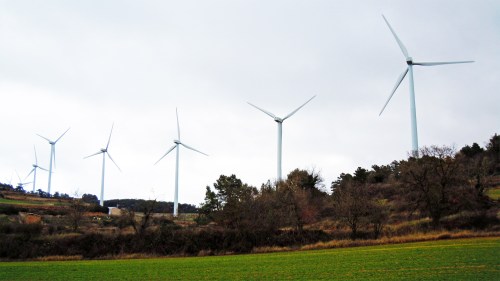
One of these interest groups is those involved in carbon trading, who have been able to generate significant profits from so doing.[x]  As the European Environment Agency notes, “Despite fewer EU emission allowances (EUAs) being auctioned in 2018 than in 2017, revenue from auctions increased from EUR 5.5 billion to EUR 14.1 billion”.[xi]  Carbon emissions in the form of CO2 have undoubtedly had a significant impact on global temperatures, and yet the overwhelming focus explicitly on carbon has meant that other damaging environmental changes have been relatively ignored.  A classic example of this was the promotion of diesel cars following the 1997 Kyoto Protocol because they produced lower CO2 emissions than did petrol cars.  Only later was it realised that the NOx and particulate matter emissions from diesel vehicles, caused other damage to the environment and human health.[xii] Likewise, the shift to so-called “renewable” sources of energy, such as wind turbines, in order to reduce carbon emissions, has also led to an increase in the use of Sulphur Hexofluoride (SF6), which is used across the electricity sector to prevent short circuits and fires, but has the highest global warming potential of any known substance.[xiii] Demonising carbon has thus often led to the introduction of different, and sometimes even more damaging, alternatives.  The carbon fetish has also meant that the digital technology sector has focused very substantially on showing how it can reduce its carbon imprint, and thus be seen as being “green” or environmentally friendly,[xiv] whilst actually continuing to have very significant negative environmental impacts in other ways.  The dramatically increased emphasis on non-carbon sources of electricity has likewise caused very significant landscape change across the world through the introduction of solar farms, wind turbines and huge dams for hydroelectric plants.  These landscape changes are difficult to quantify in monetary terms, but need to be taken into consideration in any rigorous evaluation of the environmental impact of digital technologies.  Moreover, much of this technology is itself not particularly renewable.  Wind turbine blades, for example, have to be disposed of in landfill sites once they reach the end of their usable lives.  Likewise, despite solar panels being largey recylable, they too give rise to potentially high levels of waste.  It has been estimated that unless effective recycling processes are put in place there could be 60 million tons of PV panels waste in landfill sites by the 2050Moreover, a recent report by UK FIRES notes that it is important to respond urgently to change using today’s technologies, because so-called breakthrough technologies cannot be relied on to meet the 2050 zero-carbon targets.Turbines in Catalunya

The positive aspects of climate change.

Humans have always responded to changes in long term weather patterns and thus climate change in the past.  Substantial migrations, changes in trade routes, and the settlement of previously uninhabited areas were all commonplace occurrences in antiquity and prehistoric times.[xv]  Yet, the construction of powerful nation states and increasingly fixed national borders have tended to limit the ease with which migration, or forced settlement, can happen.  Indeed, it has often been said that the free movement of people across the earth is the one human right for which we are not ready.[xvi]  The impact of processes associated with climate change, such as sea-level rise and changing weather patterns, is in part fundamentally tied up with this notion of movement.  Theoretically, if people were able (and willing) to move freely from increasingly hazardous environments to ones that were more amenable, they could travel across the world seeking (or competing for) access to the most propitious places in which to live.  Farmers in low-lying countries flooded out by sea-level change could, for example, move to areas suitable for grain production and pasture that were once on the margins of frozen tundra.[xvii]  Clearly, there are huge political, social and cultural issues to be addressed with such suggestions, but the key point in raising them is to emphasise that there can be positive as well as negative impacts of so-called “Climate Change”.  Indeed, these are readily apparent at a more mundane level.  Already, Champagne producers are investing in vineyards in England, as they seek to mitigate the impact of changes in weather patterns in northern France.[xviii]  Likewise, the amount of energy used to heat buildings in areas of the world that were previously colder in winter has now declined.  This is not in any way to deny the scale, rapidity and significance of the changes the combine to influence “Climate Change”, but it is to argue that they need again to be seen in a holistic way, and not purely as being negative.


In summary, this section has suggested that we need to focus on the root causes of the phenomena contributing to changes in weather patterns and to treat these holistically as part of the wider impact that increasing numbers of humans are having on the physical environment.  Human behaviours are creating these environmental changes rather than an exogenous force called “Climate Change”.  Only when we address these human behaviours will we begin to start creating a more sustainable and vibrant ecosystem in which our children and grandchildren can thrive.  This will require fundamentally different ways of living that most people currently seem unwilling to accept.[xix]  Not least, there needs to be a qualitative shift away from more individualistic, greed-led selfish agendas, to more communal and collaborative ones.  Whilst it is very frequently claimed that digital technologies can indeed help to deliver the so-called Sustainable Development Goals and mitigate the climate crisis, the next section argues that the design and use of these very technologies lie at the heart of the environmental challenges caused by the social and economic systems created by a few rich and powerful humans.


For the second part of this triology, see Digital technologies and climate change, Part II: “Unsustainable” digital technologies cannot deliver the Sustainable Development Goals


[i] For a brief discussion of these interests (including those of scientists working in the field, who have actually been one of the biggest beneficiaries of the climate change mantra in terms of research grants and prestige) see https://unwin.wordpress.com/2010/01/27/problems-with-the-climate-change-mantra/

[ii] Much could be written about this, not least concerning the increasing resolution and accuracy with which we measure contemporary changes in climatic variables, in contrast to the necessity to rely on surrogate measures in the past.

[iii] Unwin, T. (2018) ICTs and the failure of the SDGs, https://unwin.wordpress.com/2018/04/23/icts-and-the-failure-of-the-sdgs/

[iv] History of the Club of Rome, https://www.clubofrome.org/about-us/history/

[v] Meadows et al. (1972)The Limits to Growth, Universe Books,  https://www.clubofrome.org/report/the-limits-to-growth/

[vi] See, for example, the research and development being undertaken by Calico https://www.calicolabs.com/, and Elon Musk’s launching of Neuralink https://www.neuralink.com/

[vii] See Unwin, T, (1992) The Place of Geography, Harlow: Longman.  The belief systems of many indigenous peoples across the world are very different from those derived from European cultures.  Australian aborigines, for example, see themselves very much as being part of nature; the “country” includes them, rather than humans owning the land.

[viii] See for example https://www.xrebellion.nyc/events/heading-for-extinction-and-what-to-do-about-it-8619-darwz-wm6aw-kjakr-e9k6j-7k2pz-4y8gz-py5cy, https://www.brightest.io/cause/extinction-rebellion/, or https://politicalemails.org/organizations/648

[ix] As for example in November 2019 at the ASEAN-UN Summit https://news.un.org/en/story/2019/11/1050501

[x] David Sheppard in The Financial Times thus commented in 2018 that “A select group of specialist traders at hedge funds and investment banks, including Morgan Stanley and Goldman Sachs, are churning bumper profits from a once niche commodity that has risen phoenix-like from a decade-long slump. Carbon credits, introduced by the EU to curb pollution by companies in the trading bloc, have soared almost fourfold in the past year to above €20 per tonne of CO2, following legislative changes designed to get the scheme working…”

[xi] European Environment Agency (2019) The EU Emissions Trading System in 2019: trends and projections, https://www.eea.europa.eu/publications/the-eu-emissions-trading-system/at_download/file

[xii] https://www.theengineer.co.uk/fact-check-are-diesel-cars-really-more-polluting-than-petrol-cars/

[xiii] McGrath, M. (2019) Climate change: Electrical industry’s ‘dirty secret’ boosts warming, BBC News 13 Sept 2019, and for a defence from the wind sector see https://windeurope.org/newsroom/news/wind-energy-and-sf6-in-perspective/

[xiv] Typified by the work of GeSI in developing a methodology to assess carbon reducing impacts of ICTs http://www.gesi.org/research/evaluating-the-carbon-reducing-impacts-of-ict-an-assessment-methodology.

[xv] See, for example, Yang, L.E., Bork, H-R, Fang, X. and Mischke, E. (eds) (2018) Socio-Environmental Dynamics along the Historical Silk Road, Cham: Springer Nature; Pappas, S. (2012) Wet climate may have fuelled Mongol invasion, LiveScience, July 2012; Fleming, S. (2019) Climate change helped destroy these four ancient civilisations, World Economic Forum, March 2019; What drove ancient human migration? Climate Change via NPR, Re-imagining migration.

[xvi] Nett, R. (1971) The civil right we are not ready for: the right of free movement of people on the face of the earth, Ethics, 81(3), 212-27.

[xvii] Nobel, J. (2013) Farming in the Arctic: it can be done, Modern Farmer, October 2013.

[xviii] Smithers, R. (2017) French champagne house Taittinger plants first vines in English soil, The Guardian, May 2017.

[xix] One such radical example would be the eradication of pets.  The impact of meat consumption on “Climate Change” has recently been widely publicised following the IPCC special report on climate change and land in 2019.  Its emphasis on the need for a substantial reduction in meat consumption was interpreted by many as being a call for people across the world to eat less meat.  This, in turn, has supported the Vegan food industry, and those advocating Veganuary as a New Year’s Resolution that can help save the planet.  A radical alternative, though, would be to prevent people from keeping pets such as cats and dogs, or at least to regulate the pet-food industry so that it only supplied vegetarian food.  Pets are estimated to eat 20% of the world’s meat and fish, and are thus responsible for a fifth of the environmental impact that this causes; likewise, it has been reported that a quarter of the environmental impact of meat production apparently comes from the pet-food industry.[xix]  Although these estimates seem to be largely based on data from the richer countries of the world, eliminating all pets would be an easy way of dramatically cutting the impact of humans on climate change.  Yet this is not something that most people are willing to consider.  The 874 page IPCC report does not mention pets or the pet-food industry once.

2 Comments

Filed under Climate change, digital technologies, Environment, ICT4D, Uncategorized

Digital technologies and climate change

The claim that the use of digital technologies is a solution for the problems of “climate change” and environmental sustainability is fundamentally flawed.[i] The creation of such technologies, and the interests that underlie their design and sale, are part of the problem rather than the solution.  An independent, comprehensive and holistic review of the environmental impact of such technologies therefore urgently needs to be undertaken.

A farm near Tartu in Estonia in the mid-1990s

This reflection brings together some of my previous comments on digital technologies and environmental change that have been scattered across different publications.[ii] It focuses on three main arguments, each addressed in a separate post:

  • Part I suggests that “Climate change” is a deeply problematic concept. Its widespread use, and the popular rhetoric surrounding it, may well be doing more harm than good as far as the environment is concerned
  • Part II argues that the current design and use of digital technologies are largely based on principles of un-sustainability, and are therefore having a seriously damaging impact on the environment.
  • Part III proposes that there is consequently an urgent need for a comprehensive and holistic audit of the impact of digital technologies on the environment.

Lest I be misunderstood in the arguments that follow, I believe passionately in the need for wise human guardianship of the environment in which we live.  Some of my previous research as a geographer[iii] has explicitly addressed issues commonly associated with “climate change”, and I have no doubt that humans are indeed influencing weather patterns across the globe.  However, “climate change” per se is not the problem.  Instead the problem is the behaviour of humans, and especially those in the richer countries of the world who wish to maintain their opulent lifestyles, not least through using the latest digital technologies.  “Climate change” is but a subset of wider and more fundamental issues concerned with the interactions between people and the environment.[iv]  Focusing simply on “climate change” takes our eyes off the most important problems.


[i] Typical of such claims is Ekholm, B. and Rockström, J. (2019) Digital technology can cut global emissions by 15%.  Here’s how, World Economic Forum.

[ii] See Unwin, T. (1992) The Place of Geography, Harlow: Longman; Owen, L. and Unwin, T. (eds) (1997) Environmental Management: Readings and Case Studies, Oxford: Blackwell; Unwin, T. (ed.) (2009) ICT4D: Information and Communication Technologies for Development, Cambridge: CUP; Unwin, T. (2010) Problems with the climate change mantra, 27 Jan 2010; Unwin, T. (2017) ICTs, sustainability and development: critical elements, in: Sharafat, A. and Lehr, W. (eds) ICT-Centric Economic Growth, Innovation and Job Creation, Geneva: ITU, 37-71; Unwin, T. (2017) Reclaiming information and communication technologies for Development, Oxford: OUP.

[iii] See references above in footnote 2.

[iv] The interactions between people and the environment have long been part of the domain of Geography, and this reflection is thus largely constructed through a geographer’s lens (see footnote 2: Unwin, 1992)

5 Comments

Filed under Climate change, digital technologies, Environment, ICT4D

Thoughts on “Education and digitisation in development cooperation”

Children Forum Naz 6 smRecently I was asked by the GFA Consulting Group to provide some short comments and reflections (just a few sentences) in response to four questions, the answers to which will be incorporated as part of a final chapter in an important new Toolkit on Education and Digitisation in Development Cooperation being developed by them together with GIZ (Sector Programme Education) and BMZ (Division 402, Education), and due to be published in April 2020 [as: BMZ, Toolkit – Education and Digitalization in Development Cooperation, to be published in 04/2020].  It is always interesting to try constructively to answer questions that contain inbuilt assumptions with which I don’t necessarily agree!  They have kindly agreed that I can share them here for wider commentary and feedback.  This is how I responded:

1)   How can digitalization contribute to achieving the educational objectives of the Agenda 2030?

“Digitalization by itself contributes little to enhancing education, and can often actually cause more harm than good.  The introduction of digital technologies into educational systems must be undertaken in a holistic and carefully planned way.  It needs to be designed and implemented “at scale”, beginning in the poorest and most marginalised contexts: in isolated rural areas, for people with disabilities, for out of school children, and for girls in patriarchal societies.  Only then will it begin to reduce the inequalities in learning provision, and help to provide children and adults alike with the skills they need to empower themselves”.

2)   Which digital technologies will bring about revolutionary changes in the education sector in the future?

“Digital technologies by themselves cannot bring about any changes, let alone revolutionary ones!  To claim otherwise propagates the damaging reductionist myth of technological determinism.  Technologies are designed by people who have specific interests and for particular purposes.  We need to begin with the education and not the technology.  Hence, people with exciting ideas about how to improve education – particularly in the most challenging circumstances – should be encouraged to develop new technological solutions to the most pressing problems that they identify.  These challenges include enabling teachers to have the right skills and understanding to help children learn, ensuring that relevant content is available in the optimal formats to enable children to live fulfilled lives, and creating systems to ensure efficient resource use in educational systems”.

3)   What will be the most pressing challenge in the educational development cooperation sector in the future and how can the use of digital technologies help to overcome it?

“The most important challenge in educational systems is to ensure that there are sufficient well-trained and committed teachers and facilitators employed to inspire new generations of learners.  It is estimated that around 69 million new teachers are needed if the educational objectives of Agenda 2030 are to be reached.  We must ensure therefore that digital technologies are used efficiently and effectively to support in-service and pre-service training for educators, to provide effective learning resources for them to use with learners, and to enable them to be supported by efficient administrative and assessment schemes.  This is without doubt the most pressing challenge”.

4)   What needs to happen in order to utilize the potential of these digital innovations for education in partner countries?

“Four simple things are needed:

  • Partner countries (and indeed donors) must give education the highest priority in their development programmes. Many people talk about the importance of education, but it is only rarely given sufficient emphasis and resources.  We need to reiterate over and over again that ignorance is far more expensive than education!
  • We need to put in place effective mechanisms through which good practices in the use of digital technologies in education can be shared and implemented. We must stop reinventing the wheel and repeating the mistakes made with digital technologies in the past.  Far too many resources are wasted in developing pilot projects that will never go to scale and will not enhance learning opportunities for the most marginalised.
  • We must begin by implementing effective systems of using digital technologies in teacher training. Only once teachers and learning facilitators have been effectively trained should digital systems be rolled out across schools.
  • Finally, we need to ensure that we also minimise the harm that digital technologies can be used for in education and learning. The benefits of digital technologies can only be achieved if systems are put in place to mitigate the harm that they can be used for”.

I think it is likely that these were not the sort of answers that they were expecting, but I very much hope that they provoke discussion that may lead to changes in the way that governments, companies and civil society organisations seek to implement the use of digital technologies in education.  Not surprisingly, they are very much in line with the work that I had the privilege of helping 21 UN agencies develop for the UN’s Chief Executive Board last year entitled Towards a United Nations system-wide strategic approach for achieving inclusive, equitable and innovative education and learning for all.  It is so important that we all work together to develop sound policies and practices that do not reinvent the wheel or duplicate other onoging initiatives.  Above all, we must begin with the education and learning, and not with the technology!

Leave a comment

Filed under Education, ICT4D, technology, Uncategorized, United Nations

Reflections on IGF 2019 in Berlin

Header

High Level Session on Internet Governance at IGF 2019

I have been quite critical of the Internet Governance Forum (IGF) process in the past, arguing that it was created essentially as a talking shop and a palliative to civil society following the original WSIS meetings in 2003 and 2005 (for details see my Reclaiming ICT4D, OUP, 2017), and that it has subsequently achieved rather little of substance.  I still retain the view that there are far too many “global” ICT4D gatherings that overlap and duplicate each other, without making a substantial positive difference to the lives of the poorest and most marginalised.  Likewise, I have been hugely critical of the creation and work of the UN Secretary General’s High-Level Panel on Digital Cooperation (HLPDC), despite having several good friends who have been involved in trying to manage this process (see the UNESCO Chair in ICT4D’s response to the original call for contributions).  I retain the view that it is poorly conceived, duplicates other initiatives, and will again have little positive impact on the lives of the poorest and most marginalised.

So, it was with much interest that I arrived at the IGF in Berlin on 25th November in response to three invitations: to participate in a session on ICTs for people with disabilities, to support colleagues involved in the EQUALS initiative intended to increase gender digital equality, and also to participate in a side event on Many Worlds.  Many Nets.  Many Visions, for which I had contributed a short piece on our TEQtogether initiative designed to change men’s attitudes and behaviours towards women and technology.  To this end, it is salient to note the largely elderly white male dominance on the key opening plenary panel on the future of Internet governance shown in the picture above – more on that later!  I had many interesting discussions during the week, but want here to share five main reflections and challenges in the hope that they will provoke dialogue and discussion.

IGF (plus?)…

Water stationms

Water Station at IGF 2019

It was rumoured that the German government had put aside some €10 million to cover the costs of this year’s IGF.  Whilst that may well be an exaggeration we were certainly hosted in great luxury, and it would be churlish not to thank the German government for their generous hospitality.  In compliance with increasing concerns over plastic and climate change, there was even a very impressive water station in the exhibition area!  They had also done much to encourage the participation of many quite young people, and to get the gender balance better than at some similar digital technology events in the past.  The IGF 2019 outputs are already available and make interesting reading.

UN SG speaking in IGF 2019 Opening Ceremony

UN SG speaking in IGF 2019 Opening Ceremony

However, I was struck by the relative absence of people from China, India and Russia, as well as from many of the poorer countries of the world who were unable to afford the travel costs or who had difficulties in obtaining visas.  This absence set me thinking of the wider global geopolitical interests involved in the IGF process.  At a time when the ITU is unfortunately being increasingly criticised by North American and European countries for being too heavily in the pocket of Chinese organisations and companies (recent criticism of China’s efforts to influence global standards on facial recognition is but one small example), free-market capitalist governments have turned ever more to the IGF as the main forum for their engagement on Internet issues.

Angela Merkel in IGF 2019 Opening Ceremony

Angela Merkel in IGF 2019 Opening Ceremony

The theme of this year’s IGF One World.  One Net.  One Vision. says it all (and hence why I was so eager to be involved in the innovative and creative Many Worlds. Many Nets.  Many Visions initiative).  The IGF is about maintaining a unitary free open Internet in the face of perceived attempts by countries such as China and Russia to fragment the Internet.  It is no coincidence that next year’s IGF is in another European country, Poland, and that the last two IGFs have been in France and Switzerland.  The messages of the UN Secretary General and the German Chancellor (shown in the images above) were equally forceful about the kind of Internet that they want to see.

Moreover, this hidden war over the future of the Internet is also being played out through the HLPDC process which has suggested that there are three possible architectures for digital cooperation.  The presence of such high-level participants at this year’s IGF very much conveyed the impression that the IGF Plus option is the one that they prefer as the main forum for policy making over the Internet in the future.  This is scarcely surprising: all but two (one Chinese and one Russian) of the 20 members of the HLPDC Panel and Co-chairs are from free-market capitalist-inclined countries; 8 of the 20 are from the USA and Europe.

The sale of .org by ISOC to Ethos Capital

Another major issue that raised its head during this year’s IGF was the very controversial sale by the Internet Society (ISOC) of its non-profit Public Internet Registry (PIR) which had previously managed the top-level domain .org to a for-profit company, Ethos Capital, for the sum of $1.135 bn.

Key elements of the controversy that were widely mentioned during the IGF, and are well summarised by The Registry, include:

  • ISOC’s decision under a new CEO to shift its financial structure from benefitting from the variable profits derived from .org to creating a foundation from which it would then use the interest to fund the activities of its various chapters (the new Internet Society Foundation was created in February 2019);
  • The lifting of the cap announced in May 2019 by ICANN on prices of .org domain names, which would enable the owner of the .org registry to impose unlimited price rises for the 10 million .org domain name owners; and
  • The observation that the former CEO of ICANN had personally registered the domain name used by Ethos Capital only the day after the cap had been lifted (it appears that he and a small number of his close affililates linked to ICANN are the only people involved in Ethos Capital) .

The lack of transparency over this entire process, and the potential for significant profits to be gained by certain individuals from these changes have given rise to huge concerns, especially among civil society organisations that use .org domain names.  As a recent article in The Register concludes, “The deal developed by former ICANN CEO Chehade is worth billions of dollars. With that much money at stake, and with a longstanding non-profit registry turned into a for-profit with unlimited ability to raise prices, the internet community has started demanding answers to who knew what and when”.

Inclusion, accessibility and people with disabilities…

Absence of people in IGF 2019 Main Hall for High Level Session on Inclusion

Absence of people in IGF 2019 Main Hall for High Level Session on Inclusion

It was good to see a considerable number of sessions devoted to inclusion, accessibility and people with disabilities at this year’s IGF.  However, it was sad to see how relatively poorly attended so many of these sessions were.  The exodus from the Main Hall between the High Level Session on the Future of Internet Governance and the High Level Session on Inclusion, for example, was very noticeable.  The content of most of these sessions on disabilities and inclusion was generally interesting, and it is just such a shame that the wider digital community still fails to grasp that digital technologies will increase the marginalisation of those with disabilities unless all such technologies are designed as far as is reasonably possible to be inclusive in the first place.  Assistive technologies can indeed make a very significant difference to the lives of people with disabilities, but such persons should not have to pay more for them to counter the increased marginalisation that they face when many non-inclusive new technologies are introduced.

IGF 2019 Session WS#64 on empowering persons with disabilities

IGF 2019 Session WS#64 on empowering persons with disabilities

I was, though, hugely challenged by my own participation in one of these sessions.  Having been invited by Brian Scarpelli to be the penultimate speaker in a session that he had convened on Internet Accessibility Empowering Persons with Disabilities (WS #64), I just felt that it needed a little livening up by the time it was my turn to speak.  I therefore decided to take a roving microphone, and did my presentation walking around inside the cage of desks around which everyone was seated.  I wanted to engage with the “audience” several of whom did indeed have disabilities, and I tried hard to involve them by, for example, describing myself and the venue for those who were blind.  The audience seemed to welcome this, and I had felt that I had got my messages across reasonably well.  Afterwards, though, someone who is autistic came up to me and in the nicest way berated me for having walked around.  She said that the movement had distressed her, and made it difficult for her to follow what I was saying.  She suggested that in the future I should stay still when doing presentations.

This presented me with a real challenge, since I have been encouraged all my life to deliver presentations as a performance – using my whole body to engage with the audience to try to convince them of my ideas.  So, what should we do when making presentations to an audience of such varied abilities?  Can we cater for them all? Clearly, I don’t want to upset those with one disability.  Should I ask if anyone in an audience minds if I walk around?  But then, someone with autism might well not want to speak out and say that they did actually mind?  Should the preference of one person with a disability over-ride the preferences of the remaining 49 people in a room?  There is no easy answer to these questions, but I would greatly value advice from those more familiar with such challenges than I am.

Exclusion in the midst of diversity: being an elderly, white, grey-haired, European man…

"Many Worlds. Many Nets. Many Visions" gathering held during IGF 2019 at HIIG

“Many Worlds. Many Nets. Many Visions” gathering held during IGF 2019 at HIIG

Far too many international events associated with digital technologies continue to be excessively male dominated, and it was refreshing to see the considerable gender diversity evident at IGF 2019.  Despite this, as noted above, several panels did remain very “male”!  It was therefore very refreshing to participate in the Many Worlds.  Many Nets.  Many Visions side event held at the Alexander von Humboldt Institute for Internet and Society (HIIG), and congratulations should once again be given to Matthias Kettemann and Katharina Mosene for putting this exciting and challenging initiative together.

Reflecting on the various gender-related events held during and around IGF 2019, though, has made me very uneasy.  I was particularly struck by the frequency with which presenters advocating plurality and diversity of ideas, behaviours, and self-identification, nevertheless also seemed to castigate, and even demonise one particular group of people as being, in effect, the “enemy”.  That group is the group that others see me as belonging to: elderly/middle-aged, white, grey-haired, European (and let’s add north American and Oceanian as well), men!  Perhaps it was just in the sessions that I attended, but over and over again this group was seen as being oppressive, the main cause of gender digital inequality, and those who are to be fought against.  The language reminded me very much of some of the feminist meetings that I attended back in the 1970s.

I was surprised, though, how sad this made me feel.  Some elderly, white, grey-haired, European (etc.) men have indeed worked over many decades to help change social attitudes and behaviours at the interface between women and technology.  This group is not uniform!  Some have written at length about these issues; some have helped implement programmes to try to make a real difference on the ground.  To be sure, we need to continue to do much more to change men’s attitudes and behaviours;  TEQtogether has been set up to do just this.  What upset me most, though, is that these efforts were rarely recognised by those who were so critical of  this particular “uniform” group.  Too often, all elderly, white, grey-haired, European (etc.) men seemed to be lumped together in a single group by those very people who were calling for recognition of the importance of diversity and multiple identities. There is a sad irony here.  Perhaps it is time for me just to grow old gracefully…

EQUALSIt was therefore amazingly humbling that, almost at the end of the EQUALS in Tech awards, a young woman who I had never met before, came up to me and simply said thank you.  Someone had told her what one elderly, white, grey-haired, European (etc.) man had tried to do over the last 40 years or so…  I wonder if she has any idea of just how much those few words meant to me.


Novelty and learning from the past

Poster about sexual exploitation of children, Ethiopia, 2002

Poster about sexual exploitation of children, Ethiopia, 2002

Finally, the 2019 IGF re-emphasised my concerns over the claims of novelty by people discovering the complexity of the inter-relationships between technology and society.  All too often speakers were claiming things that had actually been said and done twenty or more years ago as being new  ideas of their own.  This was typified by a fascinating session on Sex Work, Drug Use, Harm Reduction, and the Internet (WS 389).  Whilst this is indeed a very important topic, and one that should be addressed in considerably more detail, few of the presenters made any reference to past work on the subject, or appeared to have made much attempt to learn from previous research and practice in the field.  Back in the early 2000s, for example, the Imfundo initiative had spent time identifying how “bar girls” in Ethiopia might have been able to use digital technologies that were novel then to help transform their lives and gain new and better jobs.  I wonder how many people attending Session WS 389 were at all aware of the complex ethical questions and difficulties surrounding the conduct of research and practice on this topic that the Imfundo team had explored all those years ago.  There were important lessons to be learnt, and yet instead the wheel seems to be being reinvented over and over again.

This example was not isolated, and a recurrent feature of the field of ICT for Development is that people so rarely seem to learn from mistakes of the past, and everyone wants to claim novelty for ideas that have already been thoroughly explored elsewhere.  I  must write at length some time about the reasons why this seems to happen so often…


Finally, the artists who created this image of Berlin from tape during IGF 2019 deserve to be congratulated on their amazing work!

Artwork of Berlin made in tape, 25th November

Artwork of Berlin made in tape, 25th November

Artwork of Berlin made in tape, 29th November

Artwork of Berlin made in tape, 29th November

Leave a comment

Filed under Accessibility, Disability, Gender, ICT4D, ICT4D conferences, Internet

IGF 2019 WS #64 Internet Accessibility Empowering Persons with Disabilities

Visually impaired girl using Braille in Tunisia

Visually impaired girl using Braille in Tunisia

I’m so glad to have been invited to contibute to the session on Internet Accessibility Empowering Persons With Disabilities at this year’s Internet Governance Forum Meeting in Berlin (Wednesday 27th November, 1500-1650 CET in Room IV of the Estrel Congress Center, Sonnenallee 225, 12057 Berlin).

Hopefully, the introductory pieces by all of the speakers will be short, so that we can have a lively discussion.  I am speaking last, so previous speakers will probably have made all of the important points! However, for those unable to attend, this is what I am hoping to say:

I would like to use this opportunity to make four brief points:

First, unless universal inclusion and accessibility are built into all new digital technologies from the original design stage to end user, they will further increase inequality.  The more and more advanced technologies become, the further they benefit those who can afford and are able to use them, rather than the most marginalised and poorest, especially those with disabilities

Second, it is crucial that we change the design approach mindset so that inclusion becomes of paramount importance for the internet and the use of digital technologies.  This can be done in many ways, but I have always been impressed by the power of the market, and the role that procurement can play, especially by governments and large corporations.

Third, we can all get better at what we do!  I continually get cross with myself that I do not always insert alternative text for all of the images I post on my digital platforms, and in the slide decks that I share of my talks.  It is not good enough, but it takes longer to do, and with a tight schedule I usually forget. I need to do better; we all do.

Finally, and to end on a more optimistic note, of course the design of new digital technologies can indeed be used by people with disabilities to transform their lives.  There are always new things being developed – my latest exciting discovery is OptiKey .  However, we need to do much more to help change developers’ attitudes – and indeed those of the wider tech community.  Smart city technology for example should be being used much more to help the blind and visually impaired.  We must all do more – together with those with disabilities, and not just “for them”.

For more about our work on inclusion and disability, see our small site at Disabilities and ICT4D.


1 Comment

Filed under Accessibility, Disability, ICT4D conferences, inclusion, Uncategorized

The running shoes, girls’ learning in Africa and the gecko: a fable

shoesOnce there was a brilliant young entrepreneur living in Africa.  Let us call him Alfred.  He wanted to make loads of money, but was also very committed to trying to improve the quality of girls’ learning and education.  One evening, drinking probably too much Tusker, Alfred had a stroke of inspiration.  What if he could persuade the government that giving girls high quality new running shoes would transform the quality of their learning experience, and thus their future job prospects.  This was an absolute no brainer.  The government would have to buy his trainers for every girl in the school system!

Children 1

Schoolgirls in Ghana

But how was he to start? Many international donors are eager to support such schemes that might contribute to achievements of SDGs4 (education) and 5 (gender).  So, he set about getting to know the heads of country office of some of the leading European donors, and learnt that at the heart of getting funding was the need to have a theory of change (well, really not a comprehensive “theory”, but just a basic description of how running shoes would improve girls’ learning).  This was easy: good quality running shoes would enable the girls to get fitter, and it is well known that a fit body creates a fit mind; then, if they ran to and from school each day they would have more time to do their homework; and with good shoes on their feet they would not suffer as many injuries or catch diseases that might impair their learning.  Alfred had to think of an inspiring name for these shoes, so that everyone would want a pair.  How about “Jepkosgei” after the great young Kenyan runner who had just won the New York Marathon?  She was very happy to lend her name to this incredibly exciting initiative that could transform girls’ learning.

Malawi classroom bright

A school classroom in Malawi

The stage was set.  His friends among the donors recommended a great European university research team who would do the baseline survey as part of one of their research grants, and then they would do a follow-up evaluation at the end of the first term.  The shoes would be randomly allocated to girls in classrooms in a small set of pilot schools, and the purpose was to show that giving girls smart new running shoes would indeed improve their results when compared with those in the classrooms that were not given the shoes.  At the end of term, the researchers returned.  Everyone was on best behaviour.  What would they discover?

The results were extraordinary.  In just one term, the girls had improved their scores by 20% in Mathematics and English.  The researchers checked and re-checked their resuts, but there was absolutely no doubt.  The President got to hear of Alfred’s great success, and eager to do well in the next elections he ordered all schools immediately to supply girls with Jepkosgei running shoes. Demand outstripped supply, but Alfred set up new factories to produce them, providing much needed employment and contributing to the country’s economic growth.  Soon neighbouring countries got to hear about the impact of running shoes on girls’ learning, and they too sent in orders for tens of thousands of shoes.  Alfred became a superstar.  He won numerous awards at prestigious international events, and was fêted by the likes of Bill Gates and António Guterres.  Alfred was an African hero transforming African girls’ learning.  Why hadn’t anyone thought of this before.  It was so simple.

Gecko 2

A friendly and wise gecko

Back at the school where this all began there was a wise old gecko.  He had watched and listened as the changes took place.  He knew why learning had changed.  When the girls had first been given their runing shoes they were so proud!  They were going to be like Joyciline Jepkosgei!  People were paying attention to them.  For the first time in their lives they had felt appreciated at school.  They wanted to respond positively.  But it wasn’t just this.  Other children in the school knew that if the pilot was a success, they too would be given smart new running shoes.  So, they did everything they could to help ensure that their peers with the shoes would learn especially well that term.  They did extra chores for them so they could concentrate on their work.  They provided advice and help when something wasn’t understood.  They gave them quizzes and checked they knew the right answers.  The teachers also wanted to ensure that these girls did really well as a result of the running shoes, and so they put extra effort into preparing their classes, and ensuring that the girls had the best opportunities to learn, despite the limited resources.  Some even helped them with the answers in the tests when the researchers came to evaluate the scheme.

It was all a wonderful success.  Alfred was happy and rich, the President was happy and re-elected, the donors were happy because they could show how they delivered on the SDGs.  But the girls weren’t happy, and their exam results gradually declined over the next few years.  Girls’ feet grow, and their lovely bright shoes were soon too small for them.  There was no way to hand them on or recycle them, and in any case after a couple of years continual use by their younger sisters they were wearing out.  The government couldn’t afford to buy new shoes for all the girls.  Once everyone had them, those who had been in the pilot no longer felt special, and no-one helped each other to try to improve results.  In any case, the government was now more interested in the 4th Industrial Revolution, and how they could use it to control their people and further advantage those who were already rich and powerful and living in the burgeoning constantly surveilled smart cities…

The gecko, though, continued to enjoy catching insects, and watching the children play.  Occasionally, he wistfully wondered why no-one had asked him how to improve girls education and learning.

Malawi school children small

A school in rural Malawi

Leave a comment

Filed under Education, ICT4D, Learning, Story-telling, technology, Uncategorized